2027 Chevrolet Silverado First Drive Review: A Huge ‘W’ for V8s
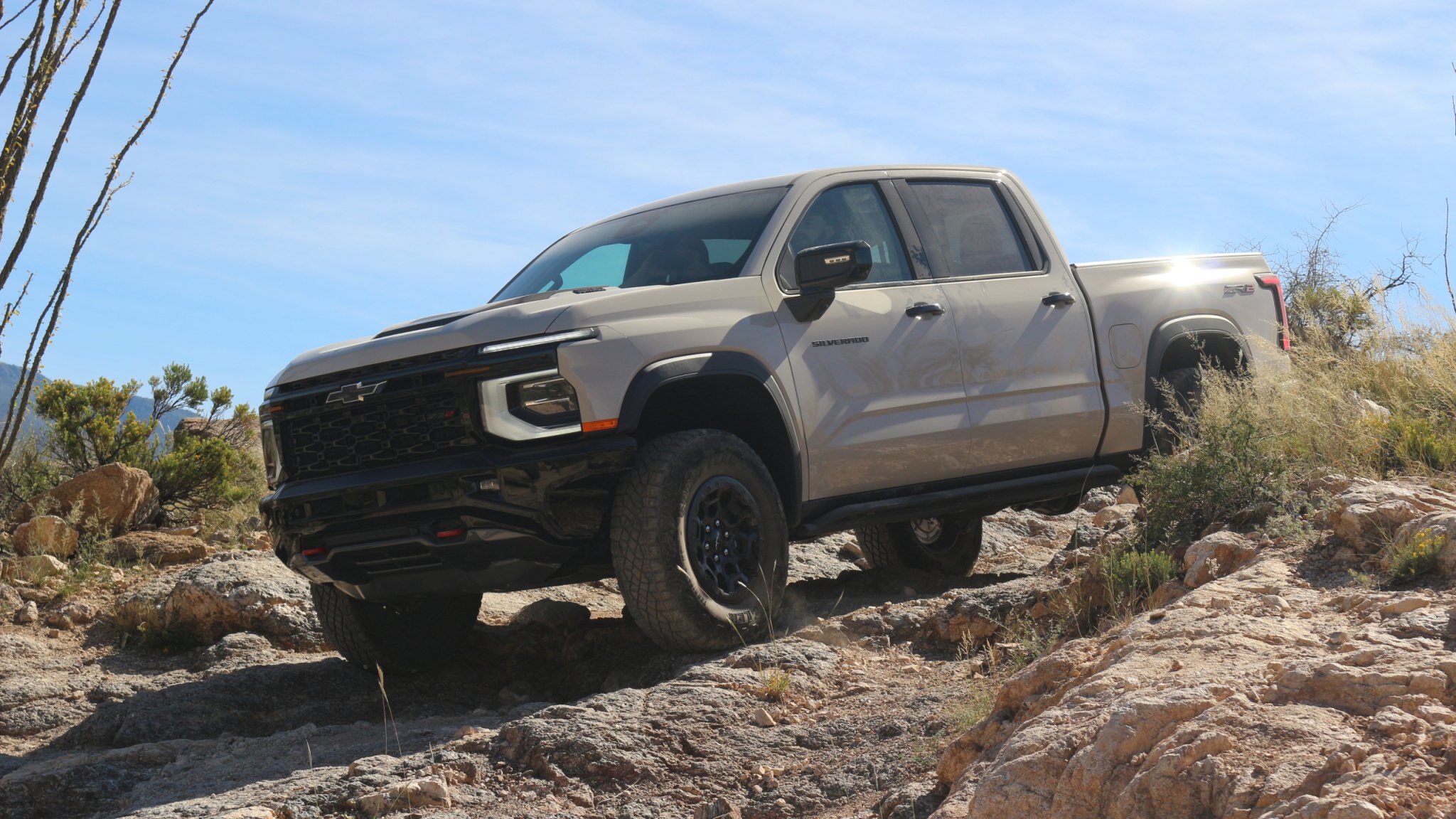
Chevrolet's 2027 Silverado 1500 debuts with new 5.7-liter and 6.6-liter V8 engines, delivering strong performance that validates GM's continued investment in combustion powertrains.
2 comments
Sign in to join the discussion.
Sign inGM's V8 commitment extends the transition timeline for commercial fleets still building charging infrastructure—but it also delays critical safety architecture convergence. Traditional powertrains lack the integrated by-wire systems that enable advanced ADAS features and faster ISO 26262 compliance paths inherent to EV platforms. Fleet operators gain purchase flexibility today but inherit legacy architectures that complicate future safety upgrades. This hedge creates a bifurcated safety roadmap: Silverado EV customers access centralized compute and over-the-air safety updates now, while V8 buyers work with federated ECU networks designed in the 2010s. Recommendation for mixed-fleet operators: negotiate extended software support windows and clarify which ADAS features remain upgradable on combustion models through 2035. The performance win is real, but the safety platform fragmentation cost isn't negligible.
GM's V8 investment inadvertently stalls mobility ecosystem integration that regional aviation already embraced. While hybrid-electric propulsion in aviation demanded clean-sheet certification work, it accelerated modular energy management and real-time telemetry—capabilities that translate directly to ground mobility platforms. These new combustion engines preserve revenue streams but forego the powertrain data architecture that enables predictive maintenance and cross-modal operational coordination. The real cost surfaces when commercial operators attempt multi-modal freight integration between electric ground vehicles and sustainable aviation corridors. Certification pathways for hybrid powertrains teach us that incremental gains from refined combustion delay the systemic benefits of unified energy platforms. Fleet operators choosing these V8s extend profitability windows but sacrifice interoperability with emerging mobility networks where electrified ground and air assets share energy forecasting and route optimization protocols.

