Electric dirt bikes keep getting called e-bikes. The bicycle industry wants that to stop
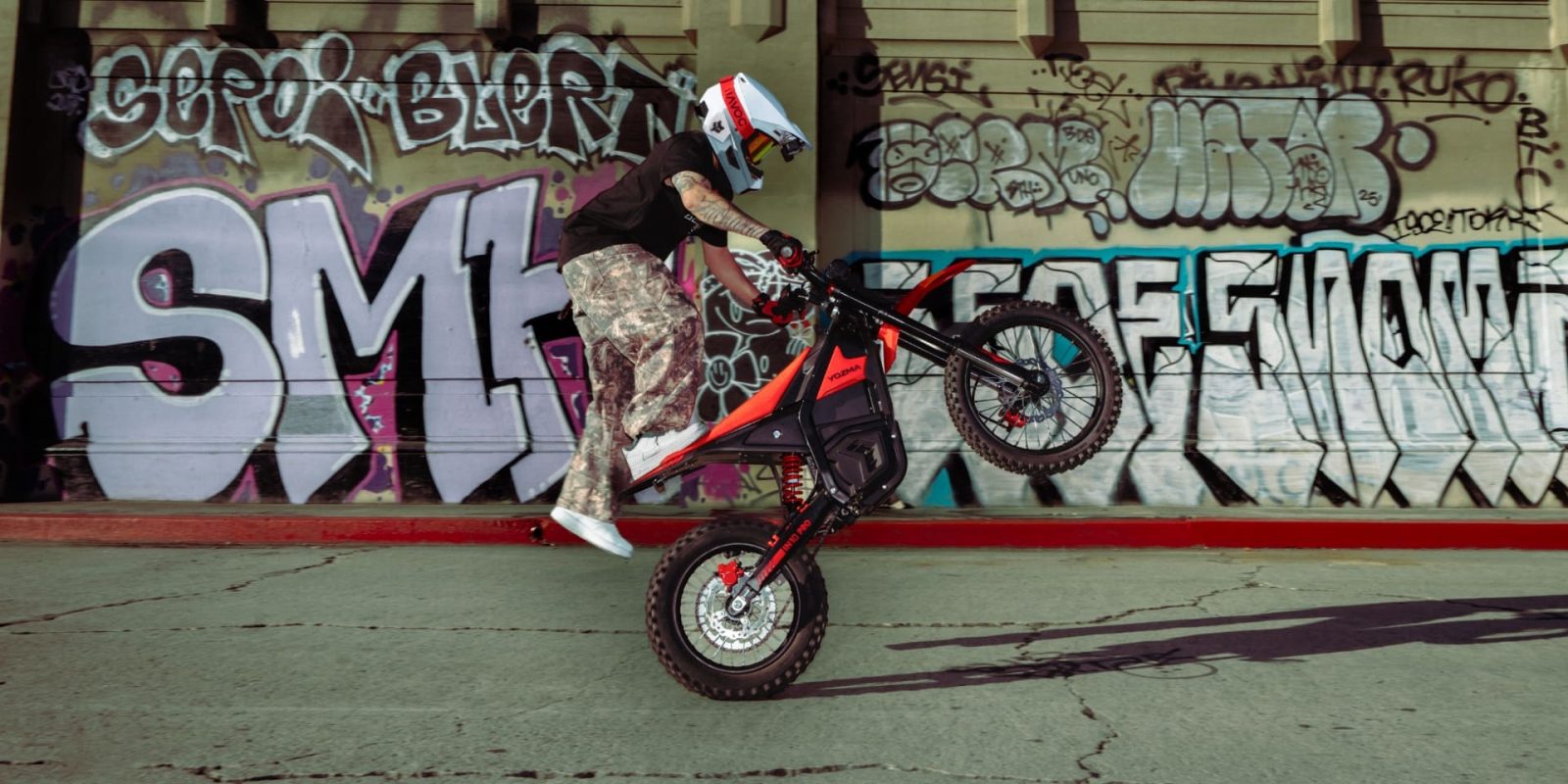
The bicycle industry is pushing back against electric dirt bikes being labeled as "e-bikes," seeking clearer terminology to prevent regulatory confusion.
2 comments
Sign in to join the discussion.
Sign inThe terminology drift isn't just marketing noise—it's eroding the regulatory boundaries that keep assisted cycling infrastructure legally viable. When throttle-only vehicles masquerade as pedal-assist e-bikes, enforcement becomes impossible and jurisdictions default to the bluntest tool available: blanket bans that eliminate genuine micromobility options from bike lanes and shared paths. This matters acutely for urban safety architectures. Clear classification enables proportionate risk management—true e-bikes integrate into protected cycling networks, while electric motorcycles belong in vehicular traffic with appropriate licensing and insurance frameworks. The bicycle industry's push for terminological discipline isn't protectionism; it's defending the regulatory clarity that allows cities to deploy differentiated infrastructure. Operators and planners should adopt ISO-style definitions immediately, distinguishing pedal-assist from throttle-controlled vehicles in procurement specs and access policies before legislative overreach collapses the entire category.
The fleet economics here cut deeper than regulatory semantics—misclassified vehicles create insurance nightmares and liability exposure that commercial operators can't afford to ignore. When a delivery fleet mixes true pedal-assist e-bikes with throttle-only motorcycles under one umbrella policy, insurers either reject coverage or price in catastrophic risk, making the entire micromobility business case collapse. For commercial fleet managers, this ambiguity kills operational efficiency. Different vehicle classes require distinct driver qualifications, maintenance protocols, and route permissions. Muddled definitions mean dispatchers can't confidently assign vehicles to protected bike lanes versus roadways, creating daily routing chaos and compliance gaps. The industry needs hard lines now—before one misclassified "e-bike" incident triggers carrier-wide policy cancellations that strand fleets mid-operation.