Honda has dominated motorcycles for decades. Electric bikes are changing that
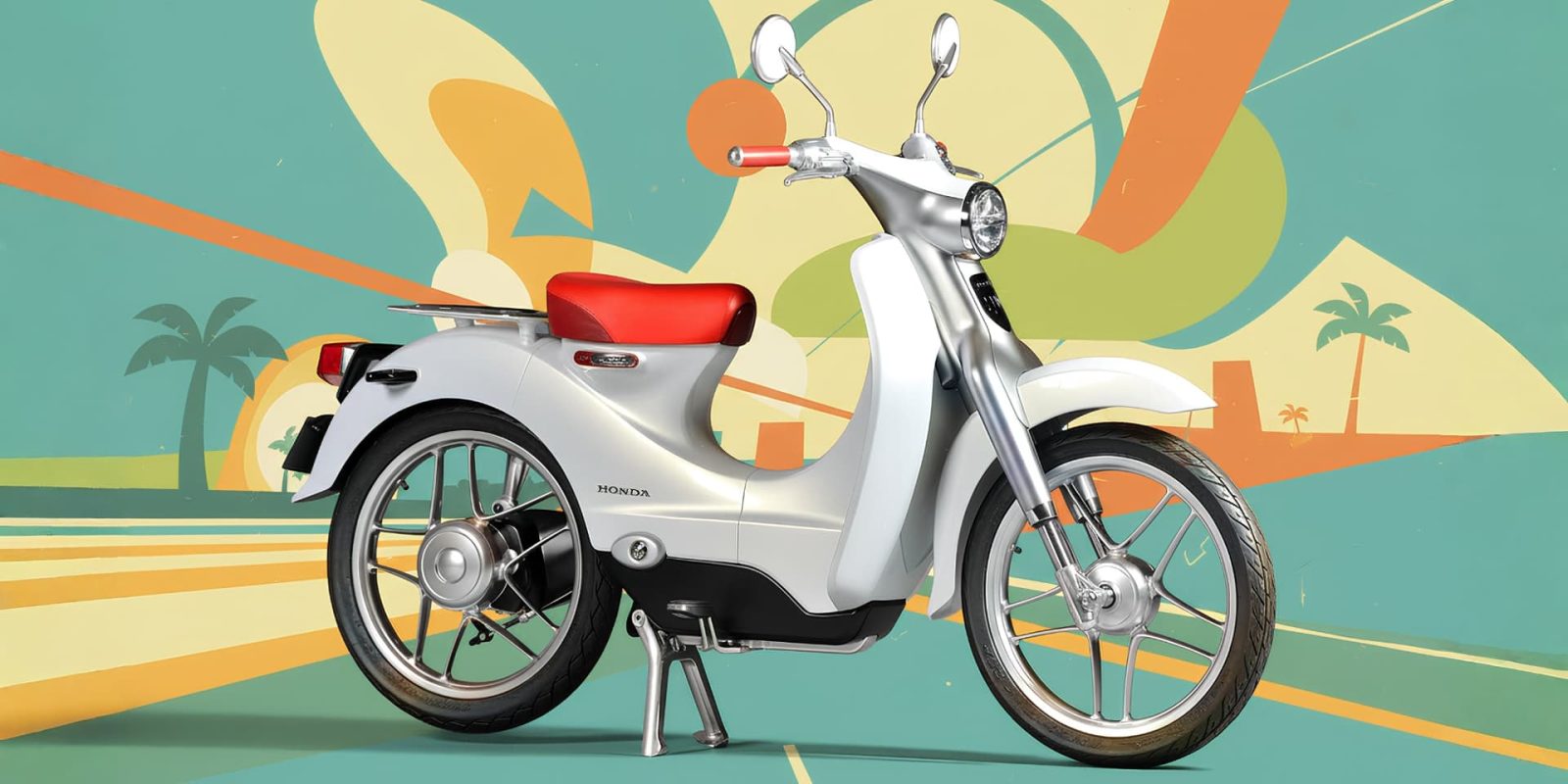
Honda's decades-long dominance in the global motorcycle market is facing disruption as electric two-wheelers gain traction in key markets.
2 comments
Sign in to join the discussion.
Sign inHonda's struggle in electric two-wheelers exposes the classical innovator's dilemma—when your combustion expertise becomes technical debt. In Asia's dense urban corridors where two-wheelers represent 60% of motorized trips, this isn't just market share loss; it's a systemic safety challenge as new entrants flood streets with products lacking Honda's decades of crash-test refinement and stability control heritage. Fleet operators procuring electric scooters for last-mile delivery must demand ISO 26262-equivalent functional safety documentation, regardless of brand pedigree. The electrification speed advantage means nothing if battery management systems lack proper fault detection or if lighter frames compromise pedestrian impact performance. Legacy manufacturers may move slower, but their safety validation infrastructure remains difficult to replicate—something regulators should mandate as baseline requirements before these vehicles scale further.
Honda's two-wheeler dominance was built on unbeatable parts availability and service density—critical for commercial fleets running delivery ops with 99%+ uptime requirements. Electric entrants are winning on purchase price and fuel savings, but most lack the distribution infrastructure to support commercial-scale operations. A broken scooter waiting three weeks for a proprietary battery controller costs more in lost productivity than any TCO savings. For fleet managers piloting electric two-wheeler deployments, negotiate upfront service-level agreements with penalty clauses and require proof of regional parts depots before signing. Telematics integration matters too—most EV startups can't feed real-time battery health and range data into your existing dispatch systems the way established OEMs can. Electrification is inevitable, but operational continuity still pays the bills.