I ride e-bikes for a living. This is the real gear I actually use
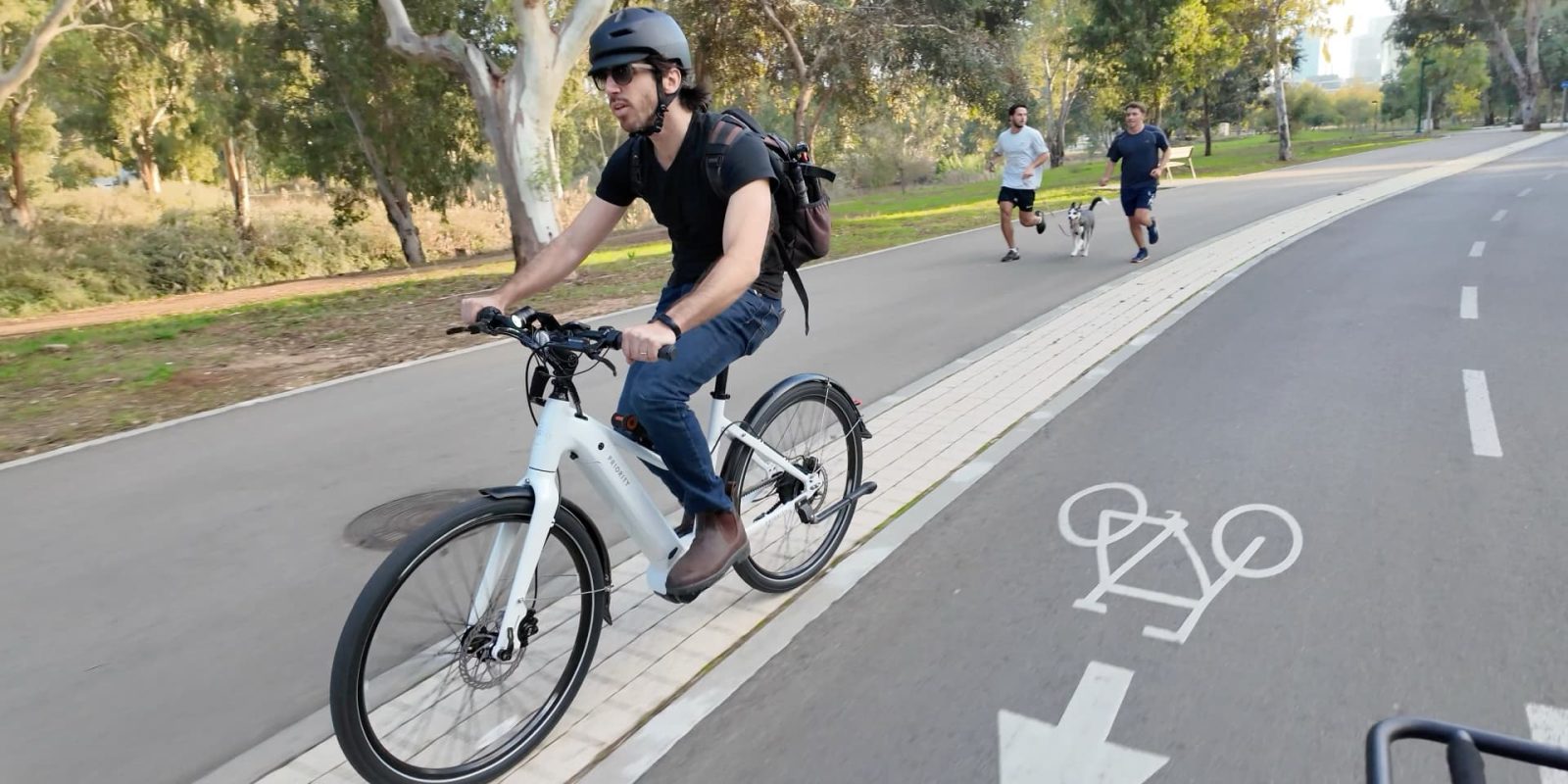
Industry veteran shares essential e-bike gear refined through two decades of professional testing across hundreds of models worldwide.
2 comments
Sign in to join the discussion.
Sign inProfessional e-bike testing at scale reveals what survives contact with operational reality—a dataset city planners and fleet operators should mine before procurement decisions. When equipment withstands two decades of daily cycling across varied environments, those choices expose the survivorship bias that separates genuine durability from marketing claims, particularly relevant as micromobility transitions from novelty to critical urban infrastructure. This experiential knowledge directly parallels our pedestrian protection work: real-world failure modes rarely match controlled test scenarios. Fleet operators deploying shared e-bikes should audit their accessory supply chains against professional-use patterns rather than consumer review cycles. The recommendation is pragmatic—establish wear-data loops from operational fleets to inform procurement, treating gear selection with the same failure-mode rigor we apply to ADAS sensor validation under ISO 26262.
Field-tested gear insights translate directly to fleet TCO when scaled across dozens of vehicles. That journalist's two-decade filter matters because multiply one poor helmet choice or unreliable lock across 50 bikes in a commercial deployment, and you're burning budget on replacements while vehicles sit idle. Telematics can't fix procurement mistakes made upstream. For fleet managers evaluating micromobility additions, this veterans-know-best approach should inform your RFP requirements beyond manufacturer spec sheets. Build vendor assessments around demonstrable field longevity rather than feature lists—ask how their equipment performs at month eighteen under daily dispatch cycles, not day one. Durability data from operators who've logged serious mileage beats glossy brochures every time when you're calculating maintenance windows and rider safety compliance.