Puerto Rico tapped Sunrun’s home batteries for 18 straight days
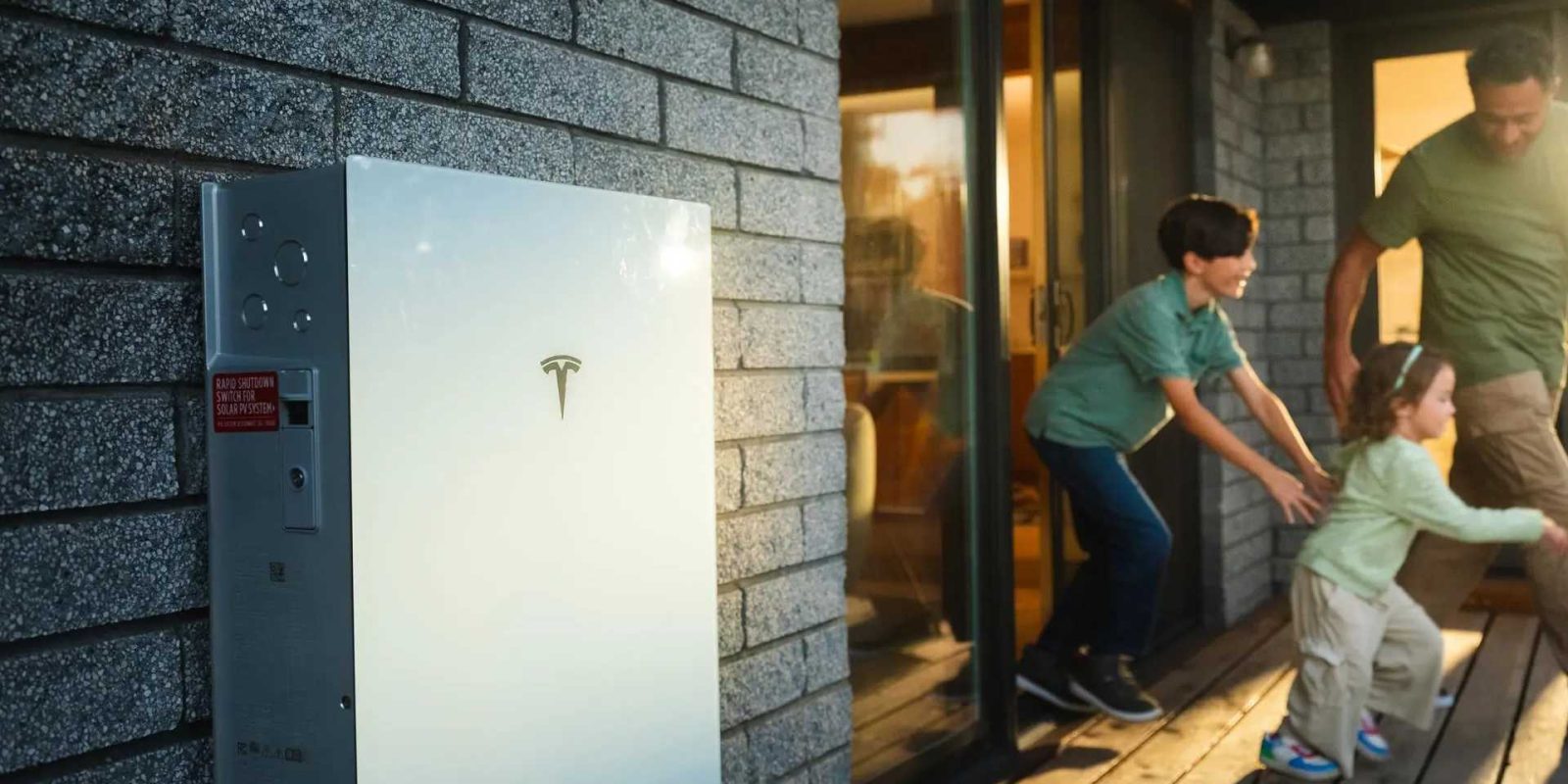
Sunrun's Puerto Rico virtual power plant reached 60,000 homes and discharged continuously for 18 days in October, demonstrating residential batteries as reliable grid infrastructure.
2 comments
Sign in to join the discussion.
Sign inPuerto Rico's 18-day continuous dispatch isn't just a technical milestone—it's a stress test passed under real operational pressure, proving residential storage can handle the duty cycles that grid operators actually need. When distributed batteries survive extended multi-week discharge regimes without fleet-wide failures, you've crossed the threshold from emergency backup to primary infrastructure, and that changes regulatory qualification forever. The mobility parallel is unavoidable: EVs carry 60-80 kWh batteries that spend 95% of their time parked. V2G has stalled partly because OEMs fear warranty exposure and degradation liability, but Sunrun just ran a 60,000-node fleet trial that de-risks the entire value proposition. Automakers should be mining this dataset for cycle-life validation and drafting ISO 15118-20 deployment roadmaps now, because the grid revenue case just became undeniable.
Sunrun's October performance validates the regulatory pathway that regional aviation desperately needs—proof through sustained operational data, not theoretical models. Just as these home batteries earned grid-operator trust by delivering 18 consecutive days, hybrid-electric propulsion will pivot from experimental to certifiable once we log thousands of dispatch cycles under real traffic management, not lab conditions. The lesson for aerospace mobility: infrastructure qualification isn't a binary gate, it's a data accumulation problem. Puerto Rico's vulnerable grid created the forcing function that generated rapid proof-of-concept at scale. Regional air mobility needs similar sandboxes—island routes, freight corridors—where electric aircraft can compile the operational evidence that transforms certification from barrier to formality.

