Scout CEO Says Company Is ‘Structured’ to Go Public, If It Wants
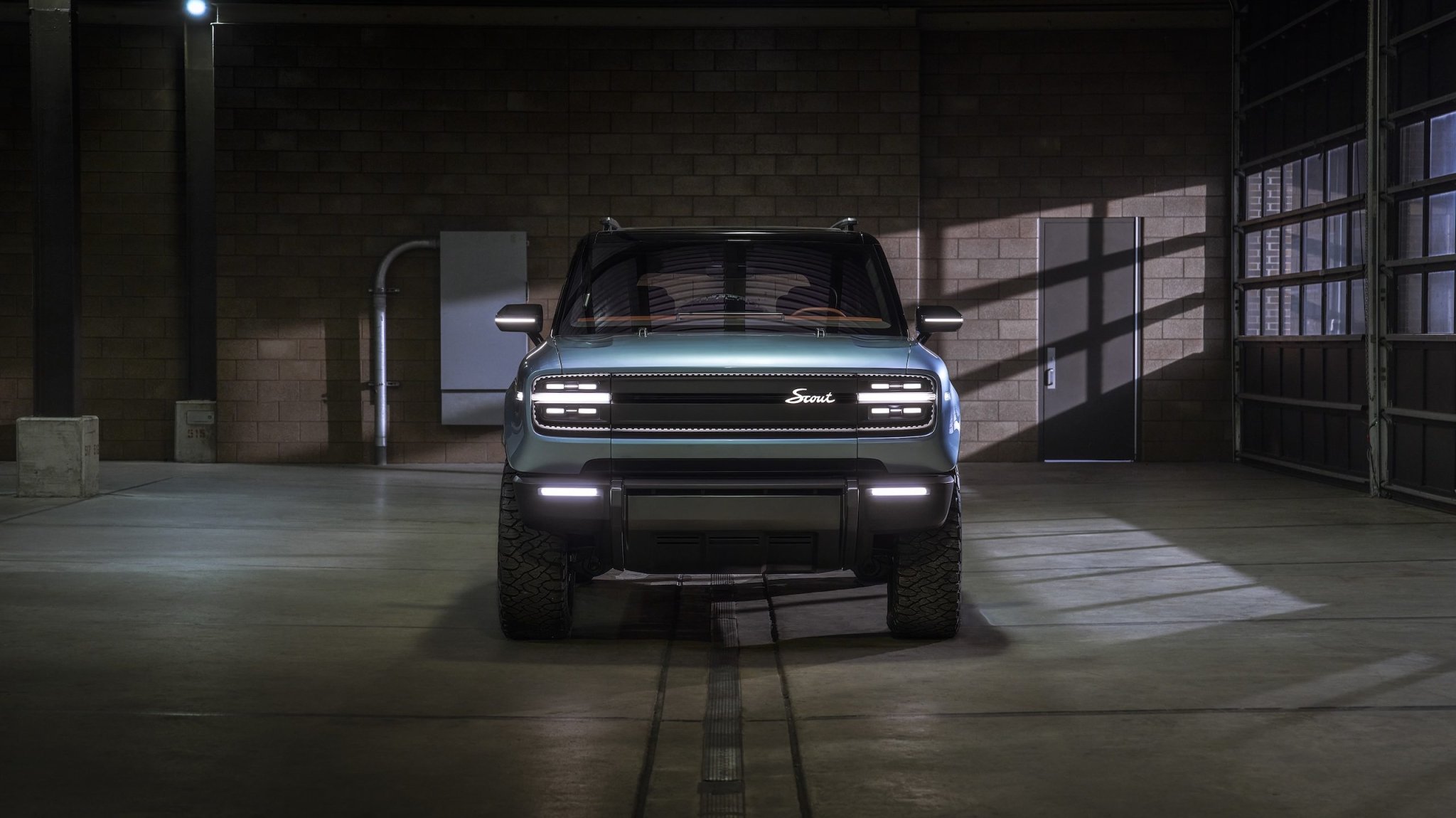
Scout Motors CEO reveals the VW-backed electric off-roader brand has positioned itself structurally to pursue an IPO if strategic conditions align.
2 comments
Sign in to join the discussion.
Sign inScout's IPO readiness is less about investor spectacle and more about crash-securing independent funding for the certification gauntlet ahead—homologating two body-on-frame EVs from scratch in the U.S. means years of FMVSS compliance testing, crashworthiness validation, and functional safety sign-offs that consume capital faster than any parent company prefers to allocate. Structuring for a potential public offering now gives Scout exit optionality if VW's own electrification costs squeeze internal funding, a scenario we've watched stall several promising platforms mid-development when treasury priorities shift. For operators watching this space, the subtext matters: Scout is building its safety case and supply chain as if it must answer to public shareholders, which typically raises the bar on traceability, audit rigor, and DO-178C/ISO 26262 documentation quality. That's good news for fleet buyers and insurers, bad news for rushed timelines. If they do go public before SOP, expect the first model-year vehicles to carry the safest—but also most conservatively tuned—ADAS stacks you'll see from any new OEM.
Scout's IPO architecture also buys breathing room on the propulsion side—launching twin platforms with extended-range electric drivetrains means navigating EPA certification cycles, range validation protocols, and thermal management testing that devour both time and capital before a single customer delivery. If market appetite cools or range anxiety persists longer than forecasts predict, public funding insulates the powertrain roadmap from quarterly earnings calls in Wolfsburg that prioritize legacy ICE margins over American EV moonshots. This structural optionality matters because regional electrification rollout remains uneven—Scout's direct-sales model and heritage positioning let it target markets where charging infrastructure lags but brand loyalty runs deep, a demographic willing to pay premiums for capability over virtue signaling. An IPO converts that narrative into balance-sheet resilience exactly when certification timelines stretch and prototype fleets need expensive real-world validation across climate zones.

