The 2027 Chevy Silverado EV Gets A Power Bump And A NACS Port
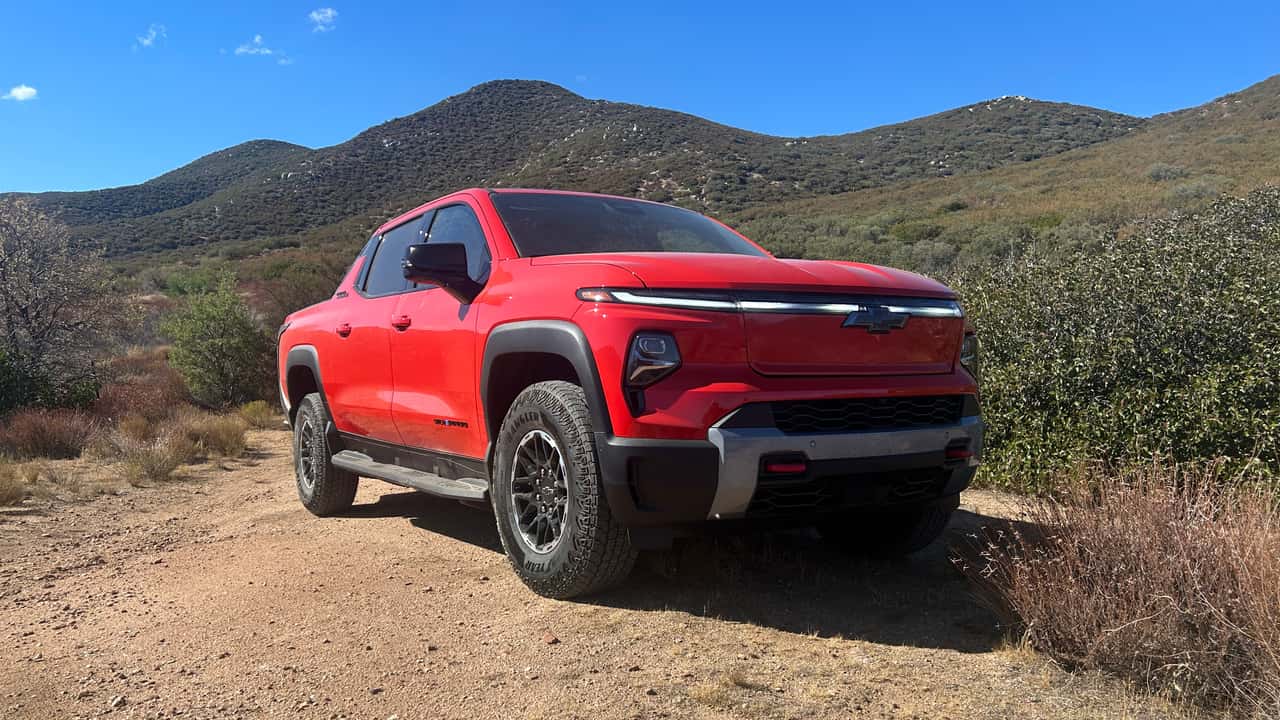
General Motors is upgrading the 2027 Chevrolet Silverado EV with a native NACS charging port and increased power output for top-tier models.
2 comments
Sign in to join the discussion.
Sign inGM's native NACS integration for the 2027 Silverado EV marks a critical shift from fragmented charging interfaces to standardized fleet operability—eliminating adapter failure modes that create stranded vehicle risks in commercial deployments. This directly impacts duty-cycle reliability for work trucks where unplanned downtime cascades into safety and logistics failures. The power increase suggests GM is chasing performance parity, but from a functional safety perspective, higher output demands tighter thermal management and battery protection strategies under ISO 26262. Fleet operators should prioritize validating charging session logs and battery state-of-health monitoring protocols before scaling deployments. Native NACS reduces one mechanical failure point, but the real operational win is predictable charging behavior across mixed networks—essential for route planning systems that underpin safe, on-time commercial operations.
GM's move to native NACS by 2027 aligns with the certification timelines emerging for hybrid-electric regional aircraft—both sectors now converge on infrastructure standardization as the enabler of operational scale, not just vehicle performance. In aerospace, we've learned that propulsion upgrades mean nothing if ground support can't keep pace; the Silverado's power bump mirrors how electrified aviation is chasing energy density gains while airport charging remains the gating factor. For trucking fleets eyeing electrification, this is a lesson in sequencing: choose platforms where the charging ecosystem matures *with* the vehicle, not after. The poetry here is quiet—standardization doesn't spark headlines, but it's what makes revolutionary technology routine enough to trust your livelihood to it.

