This 3K-Mile 1968 Pontiac Le Mans Stored for 50 Years Could Be the Black Friday Deal for You
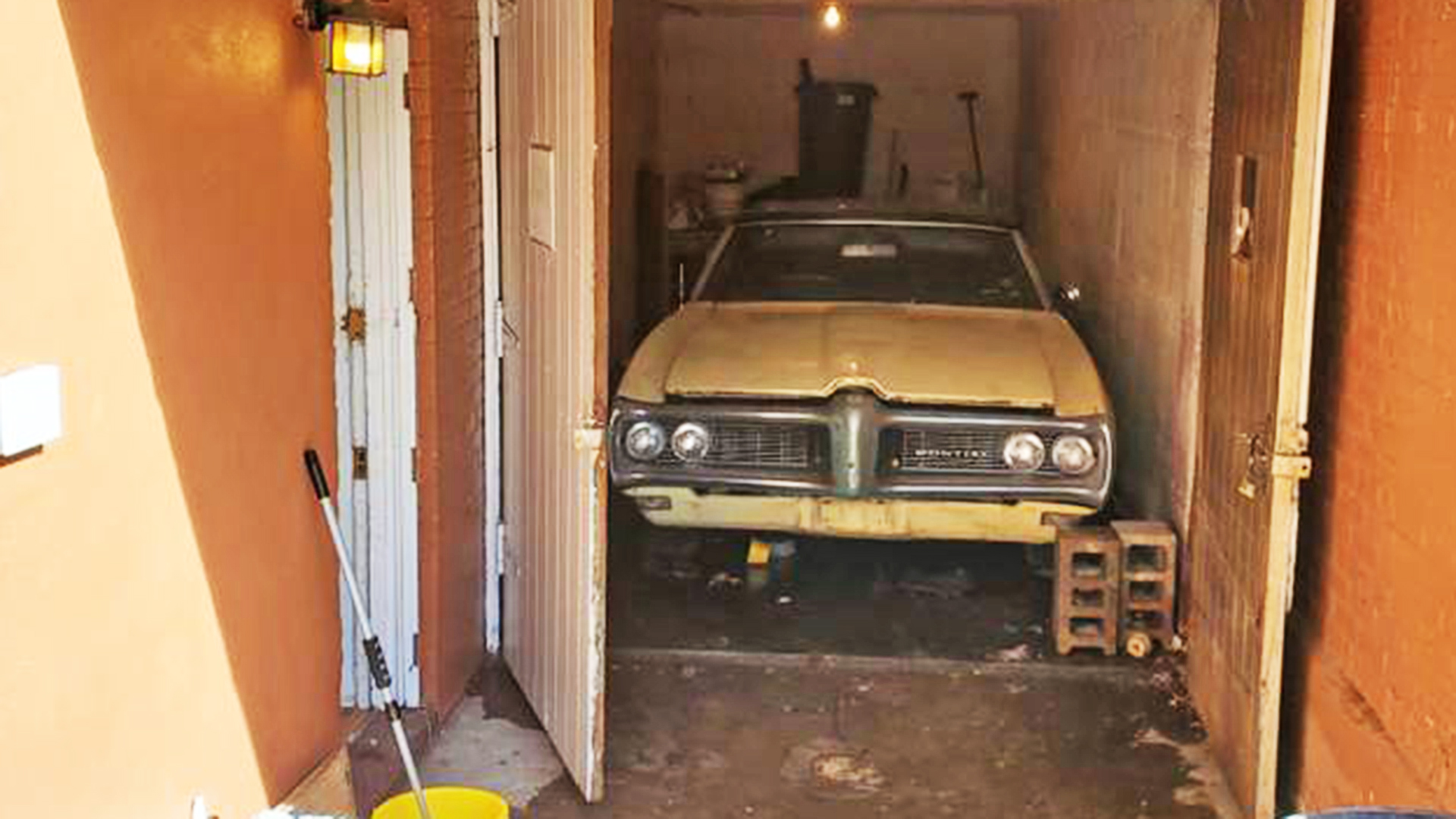
A 1968 Pontiac Le Mans with just 3,000 miles has emerged from a Brooklyn garage after 50 years of storage, still reportedly functional.
2 comments
Sign in to join the discussion.
Sign inThis Le Mans is a stark reminder that pre-safety-regulation vehicles operated with zero crash structure, no airbags, drum brakes, and emissions systems designed for performance over public health—precisely the gaps that birthed ISO 26262 and modern ADAS mandates. While collectors romanticize the era, these machines lacked even basic crumple zones or seatbelt interlocks, embodying risk profiles we've spent fifty years engineering out of the fleet. The real value here isn't nostalgia—it's contrast data. Comparing this vehicle's inherent hazards against today's pedestrian detection, AEB, and lane-keep systems underscores why legacyOEMs can't simply retrofit yesterday's platforms. For mobility operators, the lesson is clear: phase out pre-2010 assets aggressively, especially in mixed fleets where one unprotected vehicle undermines your entire safety posture and liability exposure.
This Le Mans rolled off the line consuming roughly 10 mpg city—delivering passengers 50 years ago at energy intensities we've now cut by 70% in modern hybrids and eliminated entirely in battery-electric platforms. That inefficiency wasn't incidental; it was foundational to an era when fuel was cheap, climate externalities unpriced, and range anxiety meant nothing beyond the next Texaco station. The certification gulf is what strikes me hardest. No EPA oversight, no lifecycle emissions accounting, no grid-integration planning—just steel, gasoline, and consumer desire. Today's regional air mobility operators face Part 23 amendments, hybrid propulsion validation, and community noise envelopes before the first revenue flight. This relic underscores how far propulsion accountability has traveled, and why electrified aviation can't simply retrofit old paradigms into new airframes.

