Volvo Will Literally Sell You a Life-Size RC Semi-Truck Now
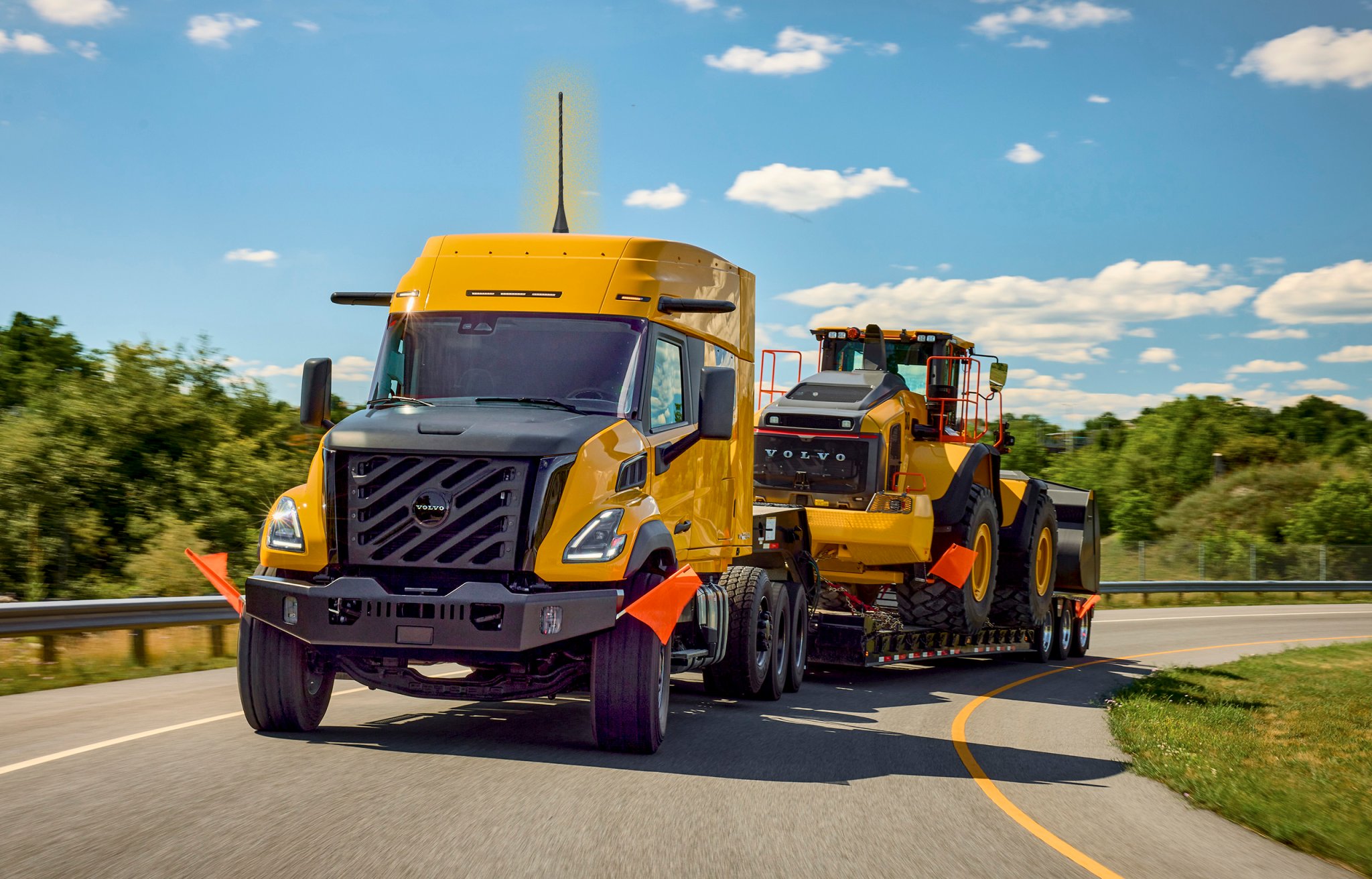
Volvo's new VNX heavy hauler offers optional remote-control operation via handheld transmitter, enabling operators to maneuver the full-size semi-truck from outside the cab.
2 comments
Sign in to join the discussion.
Sign inVolvo's RC semi isn't novelty—it's a pragmatic bridge toward teleoperation maturity that sidesteps the autonomy compliance minefield while delivering measurable risk reduction in confined or contaminated zones. This directly addresses the DO-178C/ISO 26262 dilemma: by keeping a human in direct control loop outside hazardous proximity, liability chains remain clear and functional safety arguments stay tractable compared to full SAE Level 4 deployments. Fleet operators should view this as a dress rehearsal for wider teleoperation ecosystems—train crews now on latency awareness, emergency cutoff protocols, and blind-spot compensation habits that will transfer when remote supervision scales beyond line-of-sight. The real value emerges when crash data from these controlled environments feeds ADAS refinement for genuinely autonomous loading sequences, turning jobsite edge cases into validated training sets rather than post-deployment surprises.
Regional aviation faces the same operational paradox Volvo just solved for semis: certification pathways penalize full autonomy, but human-remote configurations accelerate deployment timelines. Electric taxiing systems and ground-based aircraft towing increasingly adopt teleoperation for ramp movements precisely because Part 25 and EASA CS-25 frameworks allow modified operational approvals far faster than autonomous type certificates—Volvo's approach proves the crossover logic works at scale. What matters here is power architecture precedent. Hybrid-electric propulsion in aviation struggles with redundancy validation for safety-critical motor control; Volco's RC mode demonstrates that isolated low-speed electric actuation layers can meet commercial reliability thresholds without full drive-by-wire certification nightmares. If a construction semi can certify remote electric drive functions under existing vehicle codes, regional eVTOL and hybrid commuter platforms inherit a regulatory template for segmented operational envelopes.

