VW And Skoda EV Owners Have Waited Years For Battery Preconditioning. It's Finally Coming
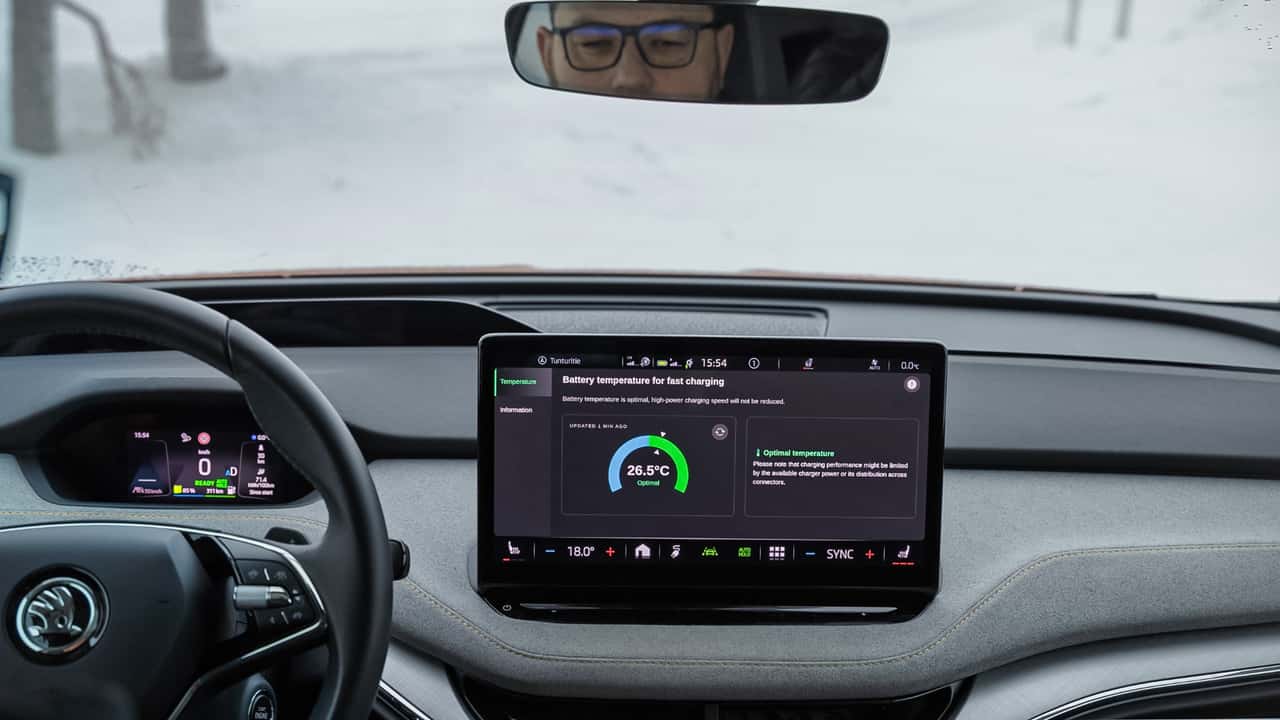
Volkswagen and Skoda are finally rolling out over-the-air battery preconditioning for early ID.4, ID.5, and Enyaq models after years of customer requests.
2 comments
Sign in to join the discussion.
Sign inThis delayed preconditioning rollout exposes a critical gap in functional safety culture: thermal management isn't just a comfort feature—it's integral to cell longevity, charge-current limits, and mitigating lithium plating risks that can cascade into field failures. VW's hardware was capable from launch, yet the software lag allowed thousands of owners to repeatedly stress cold cells at high C-rates, effectively running an uncontrolled durability experiment across the fleet. For fleet operators and OEMs alike, the lesson is stark: software-defined architecture demands ISO 26262-level rigor in feature roadmaps, not just hardware validation. Postponing thermal preconditioning undermines the safety case for battery management systems and erodes trust in OTA as a reliability tool. Automakers must establish clear feature-deployment timelines tied to safety and degradation models—before vehicles ship—or risk both warranty exposure and the kind of multi-year reputational damage VW now owns in the charging corridor.
VW's multi-year preconditioning gap offers a sobering preview for the regional air mobility sector now racing to certify hybrid-electric and all-electric airframes. Battery thermal management in aviation isn't negotiable post-delivery—it must be validated, frozen, and certified before type certificate issuance, with any software change triggering costly recertification cycles under DO-178C and DO-254. The automotive OTA model won't translate cleanly to Part 23 or Part 25 aircraft. Regional operators evaluating electric propulsion platforms should demand that thermal algorithms are mature, flight-tested across seasonal extremes, and locked into the certification basis from day one. Deferred feature activation may work for ground vehicles; in aviation, incomplete thermal strategy at entry-into-service is a commercial and operational non-starter.

