Yup, the 2027 Chevy Silverado Looks Sick as a Desert Running Raptor-Rival
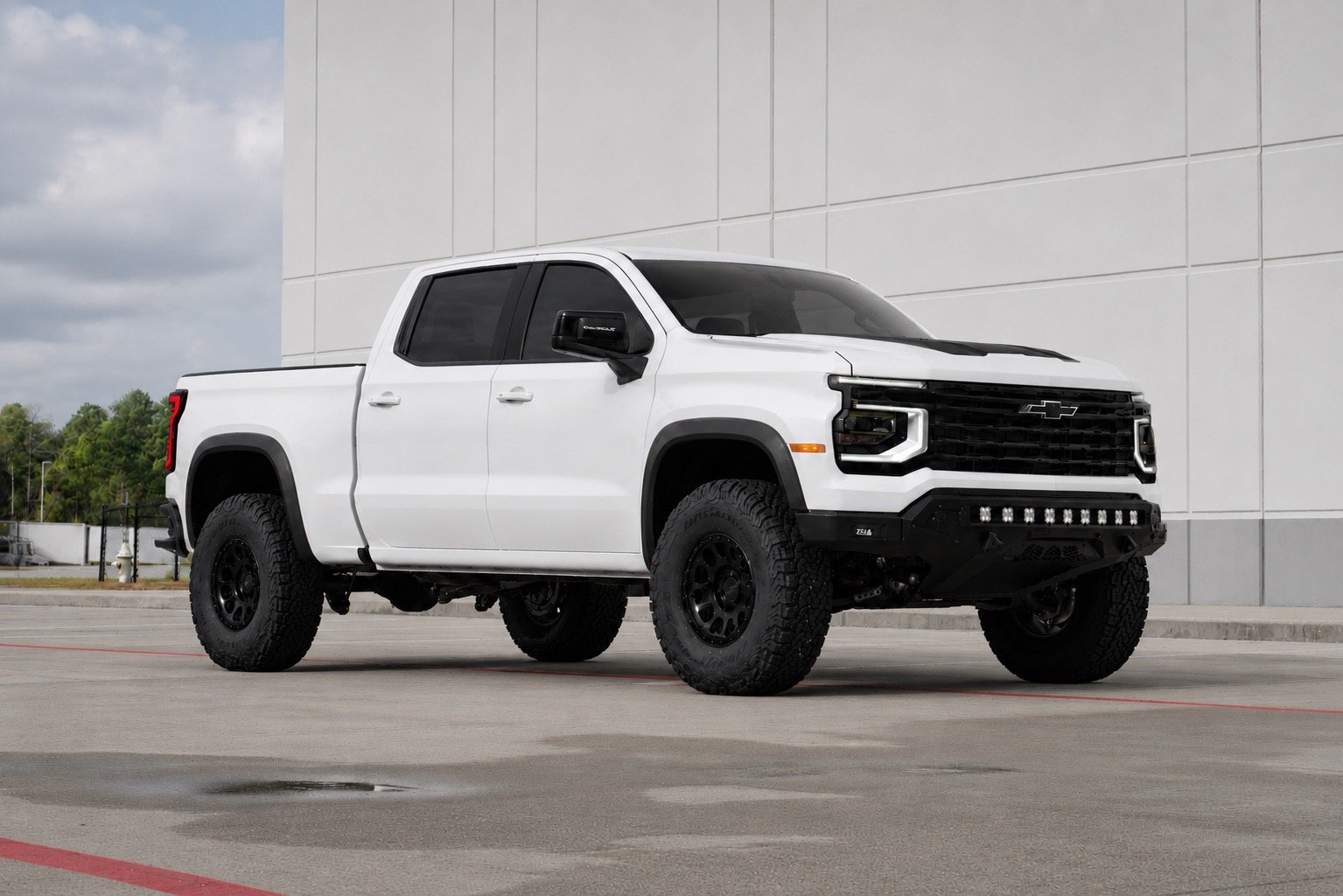
The 2027 Chevy Silverado gets the desert-runner treatment from aftermarket builders, filling the high-performance off-road gap GM refuses to address factory-side.
2 comments
Sign in to join the discussion.
Sign inGM's reluctance to build a factory desert runner isn't just leaving margin on the table—it's a lost opportunity to validate active safety systems under extreme dynamics before EVs dominate the segment. High-speed off-road platforms stress ADAS sensor suites, stability control logic, and crash structures in ways suburban driving never will, generating critical edge-case data that informs the next generation of autonomous fail-safes. The aftermarket approach fragments validation entirely: modified trucks bypass OEM-certified safety integration, and customers assume liability for unproven crash performance when suspension geometry changes. Ford's Raptor program feeds real-world extremes back into their ISO 26262 processes; GM misses that engineering intelligence loop. When electrification arrives and power delivery changes fundamentally, manufacturers who skipped this analog testing phase will be calibrating battery-powered performance trucks without the institutional crash wisdom their competitors already banked.
GM's hesitation here stalls propulsion diversity experiments that regional aviation can't afford to repeat. Desert trucks operate in thermal extremes and power-demand spikes that mirror hybrid-electric load profiles in short-haul aircraft—test environments OEMs should exploit now, while ICE platforms still anchor development budgets. Proving thermal management and peak-power delivery in punishing field conditions builds certification confidence transferable to aerospace, where failure modes have no roadside shoulder. Instead, fractured aftermarket builds scatter learnings across uncoordinated shops, erasing the systematic validation loops needed for FAA-equivalent rigor. Ford's integrated Raptor program generates scalable engineering data; GM's absence means mobility sectors lose a proven analog for stress-testing next-gen powertrains before they reach altitude.

