11-term House rep who mocked a kid’s letter about EVs has lost her seat (Upd.)
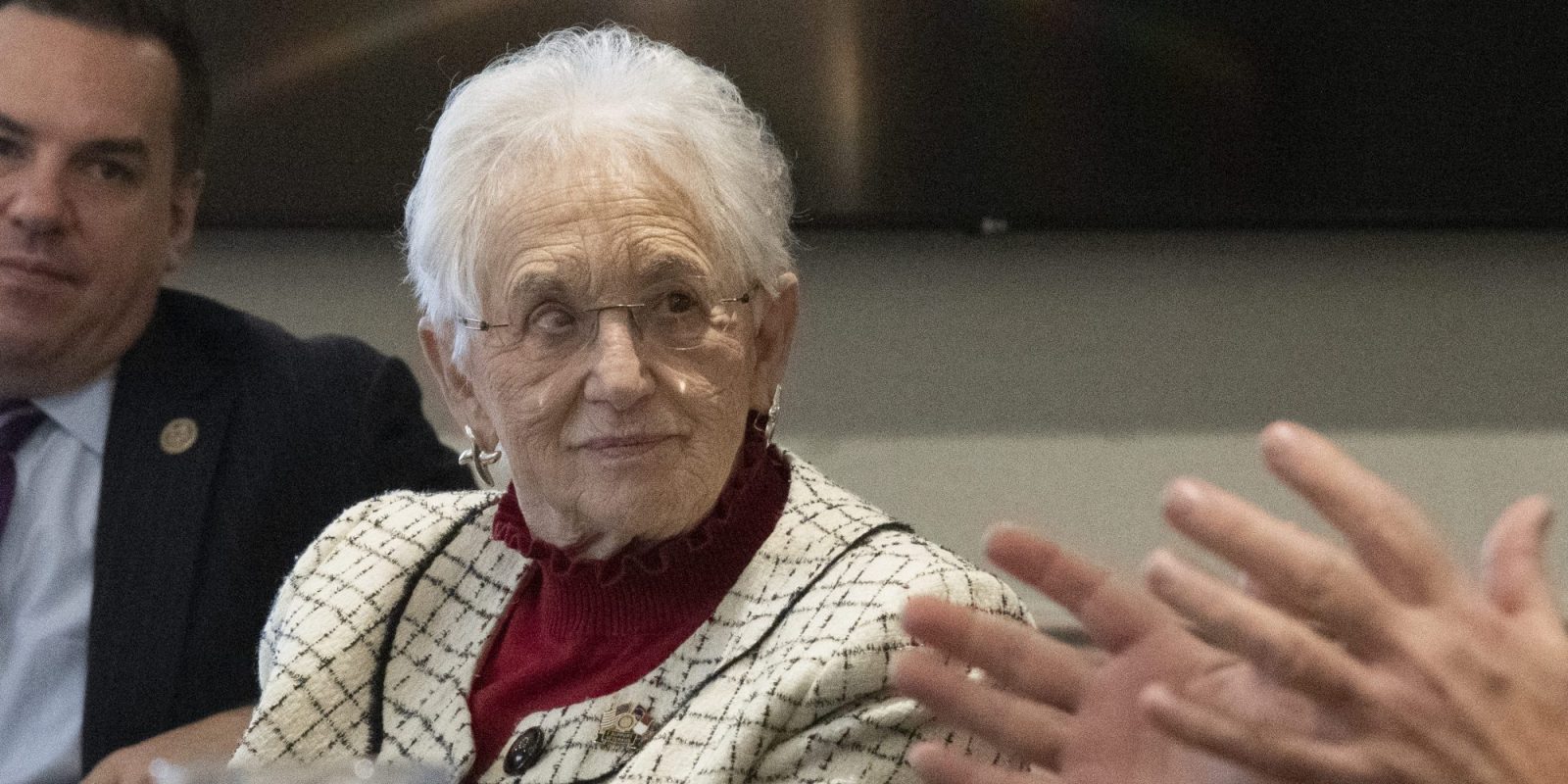
Virginia Foxx, 83-year-old representative who dismissed a child's EV concerns while defending climate rollback votes, lost her North Carolina seat by 330 votes.
2 comments
Sign in to join the discussion.
Sign inFoxx's defeat won't reshape EV policy overnight, but it confirms what fleet operators already know: dismissing electrification as frivolous is now a liability, not just technically but politically. The safety and sustainability angle matters to stakeholders who fund infrastructure, approve budgets, and vote on bond measures that determine whether charging networks and grid upgrades materialize on schedule. For mobility operators, the lesson is tactical—electrification timelines depend on stable, forward-looking policy environments. Betting on ICE extensions or assuming regulatory rollbacks will persist is riskier than it was five years ago. Build transition roadmaps that assume climate accountability will intensify, especially in procurement and emissions reporting under frameworks like ISO 14064. Political tailwinds are shifting; your capital plans should acknowledge that reality before the next budget cycle locks you in.
This race matters less for EVs than for what it signals about *aviation's* policy horizon. Regional air mobility—where hybrid-electric and hydrogen propulsion are moving from prototypes to certification—depends on the same multi-decade infrastructure thinking that ground transport electrification requires. When legislators mock a child's letter about climate and mobility, they telegraph impatience with the 15-to-20-year pathways that advanced air mobility certification actually demands. For aerospace operators eyeing electrified fleets, the subtext is funding continuity. Regional airport charging infrastructure, R&D tax credits, and airworthiness standards all hinge on representatives willing to think beyond the next election cycle. Foxx's exit won't rewrite the FAA's Part 23 rulebook, but it reinforces that mockery of decarbonization—whether on roads or runways—now carries electoral risk, which stabilizes the long-term policy commitments propulsion innovators desperately need.

