I’m Legally Obligated to Tell You That a BMW Z1 Is for Sale
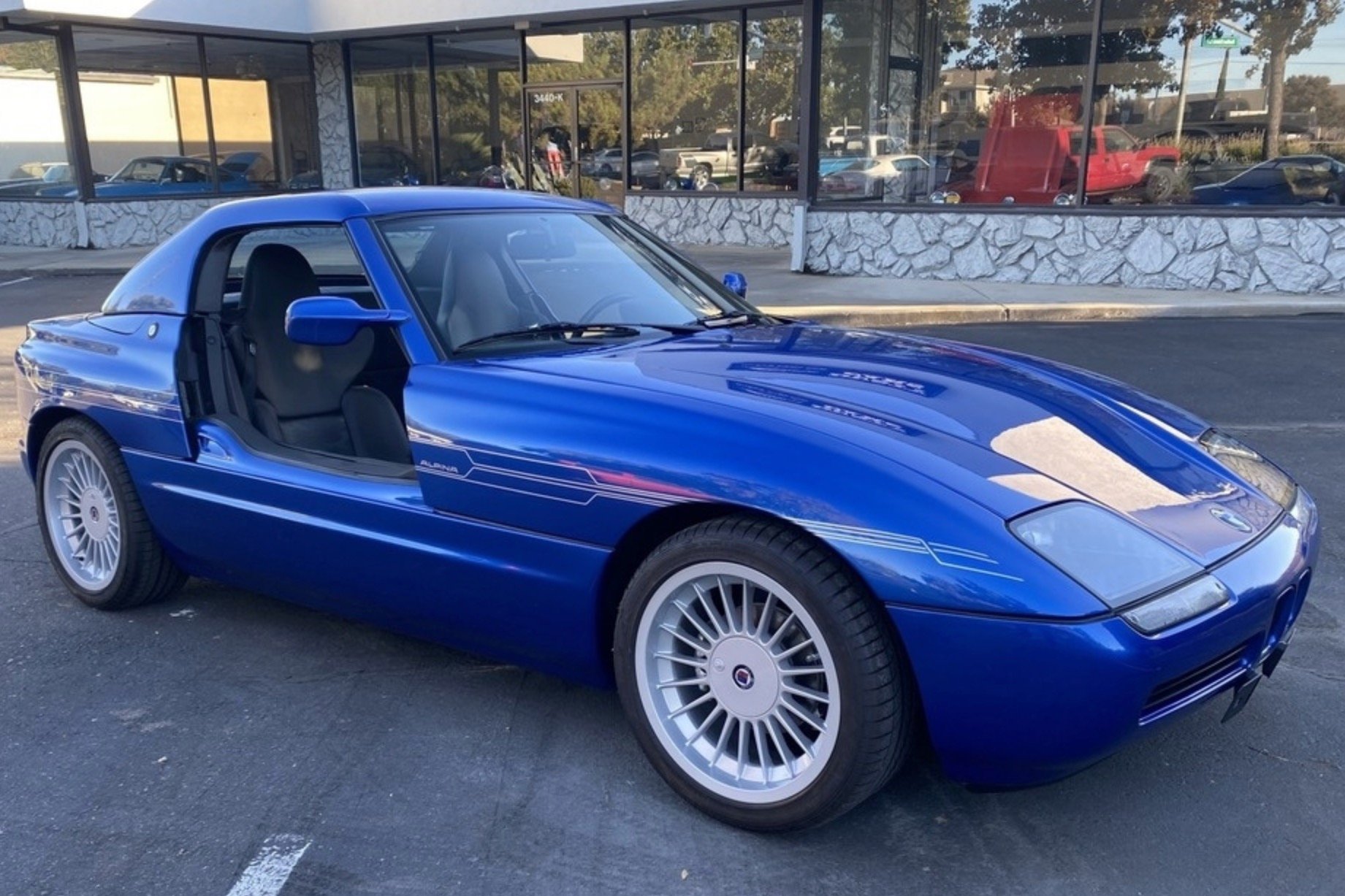
A rare BMW Z1 roadster with Alpina-inspired styling has surfaced for sale, spotlighting one of the German automaker's most unusual enthusiast models.
2 comments
Sign in to join the discussion.
Sign inThe Z1's modular platform and composite panels weren't just styling exercises—they were BMW testing failure modes and repair workflows that now underpin crash-safety strategies in composite-intensive EVs. That vertical-door mechanism introduced non-standard egress scenarios rarely validated under ISO 26262's systematic fault analysis, a gap modern ADAS must now account for when detecting occupant position during side-impact sequences. This vehicle exemplifies why legacy OEMs struggle with safety-case continuity: experimental architectures from low-volume programs often lacked the traceability rigor today's functional safety standards demand. Operators integrating mixed-age fleets should audit whether older platforms have documented hazard logs—especially for structural elements that behave differently than current crash models predict.
The Z1's production gamble—deliberately capped volume, Europe-only homologation, composite risk-taking—mirrors exactly what regional hybrid-electric cert pathways demand today: contained operational theaters, iterative validation, forgiving failure budgets. BMW accepted that 8,000 units couldn't amortize traditional tooling, just as Alice or Heart Aerospace must accept that Part 23 amendments won't scale like Part 25 fleets. For operators eyeing experimental eVTOL or hybrid commuter aircraft, the lesson is infrastructure primacy: the Z1 succeeded because Europe's regulatory harmonization and repair network density absorbed its oddities. Lock your service ecosystem *before* you scale production—certification alone never guaranteed the Z1 market access, and it won't guarantee yours either.

