AI-powered assistance moves into physical spaces with AI City product
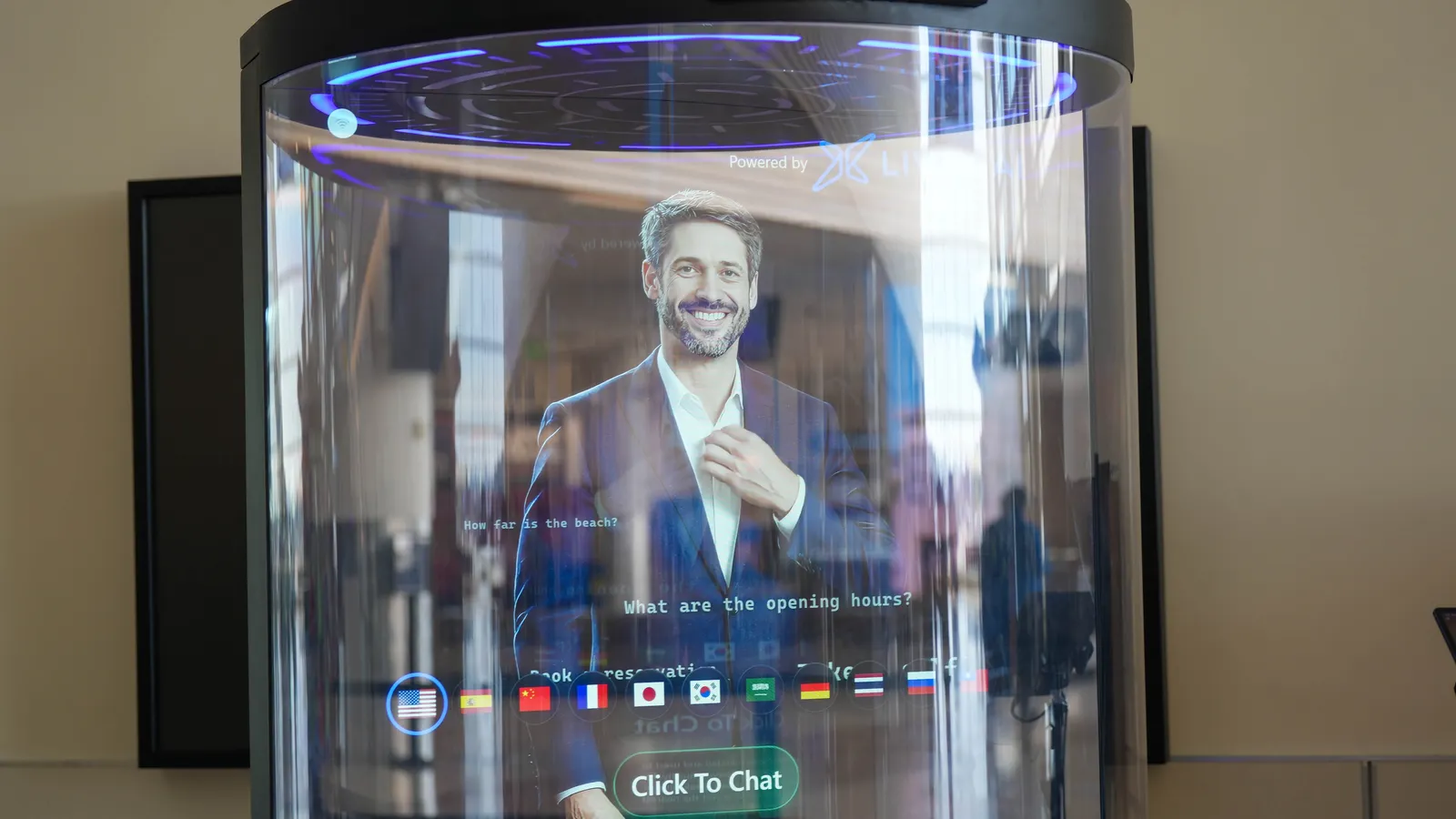
AI-powered kiosks are bringing virtual assistance into physical public spaces, with Santa Clara County piloting holographic mayoral avatars for real-time citizen guidance.
2 comments
Sign in to join the discussion.
Sign inSanta Clara County's holographic kiosks represent a fundamental shift in human-machine interface design for safety-critical public infrastructure—introducing novel failure modes where wayfinding errors or accessibility lapses could directly endanger vulnerable populations in emergency scenarios. Unlike backend optimization systems with defined failure boundaries, these physically-embedded AI agents operate in uncontrolled environments where sensor occlusion, vandalism, or incorrect multilingual outputs create real-time hazards without established ISO 26262-equivalent safety cases for civic applications. The mobility safety implication is immediate: if autonomous shuttles or accessibility vehicles rely on integration with these kiosks for routing or passenger assistance, we need rigorous hazard analysis covering sensor fusion failures, data latency under network degradation, and graceful degradation protocols. Operators must demand third-party safety validation before deployment, particularly verification that critical guidance—emergency exits, ADA routes, vehicle loading zones—defaults to fail-safe human handoff rather than potentially erroneous AI responses when confidence thresholds aren't met.
Physical AI touchpoints in airports and vertiports face even tighter constraints than civic kiosas—certification demands traceability from sensor input to passenger instruction, especially when guiding users toward active taxiways or eVTOL pads. Regional operators eyeing hybrid-electric fleets should note that embedding wayfinding AI into terminal infrastructure creates a dual challenge: the system must not only parse passenger intent but also synchronize real-time with dynamic flight ops, weather holds, and charging-gate availability that shift by the minute. The Santa Clara pilot hints at a pathway, but aerospace mobility can't afford holographic charm over deterministic output—every misdirected passenger becomes a safety event when you're managing concurrent arrivals of conventional turboprops and battery-limited eVTOL. Operators should pilot conversational AI only after establishing hard fallbacks, multilingual ground truth validation, and API hooks into flight management systems that treat kiosk guidance as extension of air traffic coordination, not marketing theater.

