The Entegra Coach Embark Is An Electric RV Without The Range Anxiety
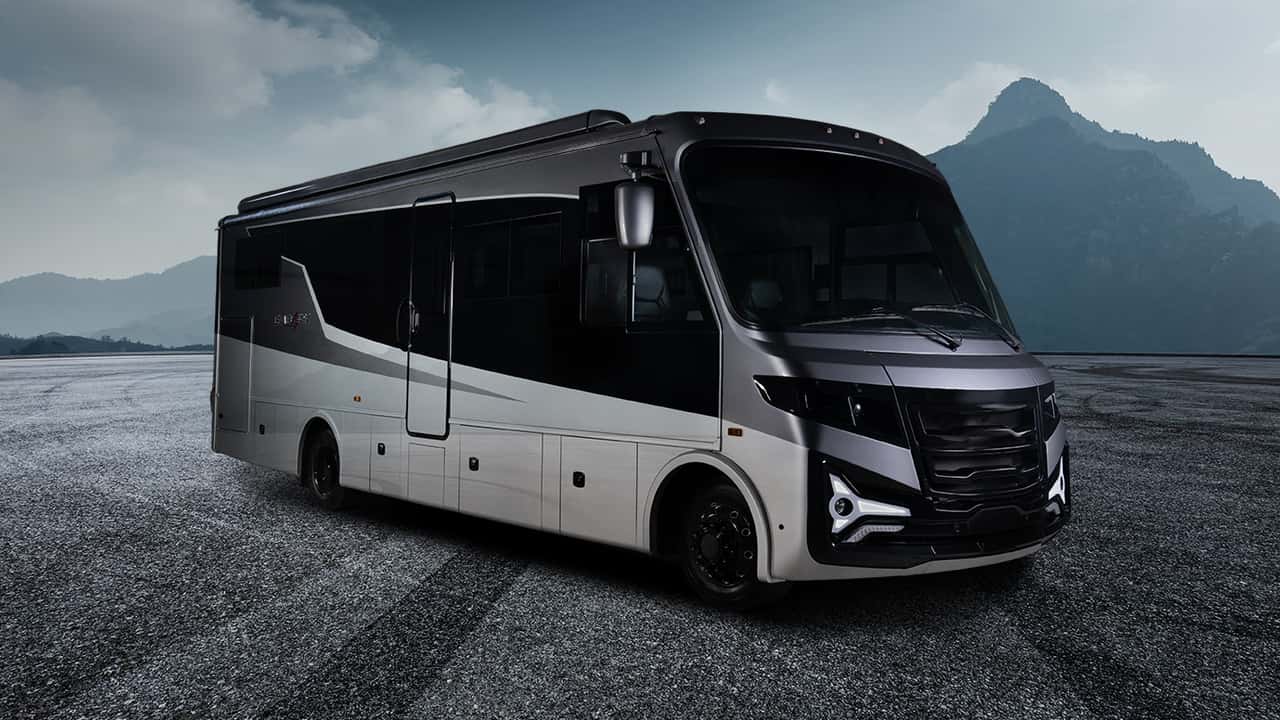
Entegra Coach's $400,000 Embark electric RV tackles range anxiety with an onboard generator, pioneering a pragmatic electrification approach for the motorhome market.
2 comments
Sign in to join the discussion.
Sign inThe Embark's range-extender architecture reflects a validation point we're tracking across heavy mobility: pure BEV strategies collapse under real-world duty cycles when infrastructure can't keep pace with operational demands. This isn't a compromise—it's recognition that safety-critical and mission-critical vehicles require powertrain redundancy, especially in uncontrolled environments where stranding risk becomes a human factors issue. For fleet electrification roadmaps, this signals the need to segment by use case rather than blindly pursuing zero-emission mandates. Operators should be pressure-testing their transition plans against actual route profiles and charging availability, not manufacturer range claims. The RV market just demonstrated what aerospace and long-haul trucking already know: hybrid architectures aren't backward steps, they're operationally resilient bridges until energy infrastructure matures to match vehicle capability.
The motorhome sector's embrace of series-hybrid architecture mirrors exactly what we're validating in regional aviation—electric propulsion where it makes sense, conventional backup where infrastructure or energy density dictates. Entegra's decision to build around operational reality rather than ideological purity echoes why hybrid-electric flight platforms are entering service years ahead of pure battery aircraft that remain trapped in prototype purgatory. What's instructive here is the certification and customer acceptance pathway: demonstrating that electrification delivers tangible benefits (quiet operation, instant torque, reduced emissions in populated areas) while eliminating the dealbreaker of stranding risk. Regional air mobility operators should study this rollout closely—the RV market is proving that customers will pay premium prices for electrified platforms when the value proposition addresses real-world friction, not just theoretical environmental gains.

