Air taxi developers begin passenger flights under strict FAA guidance
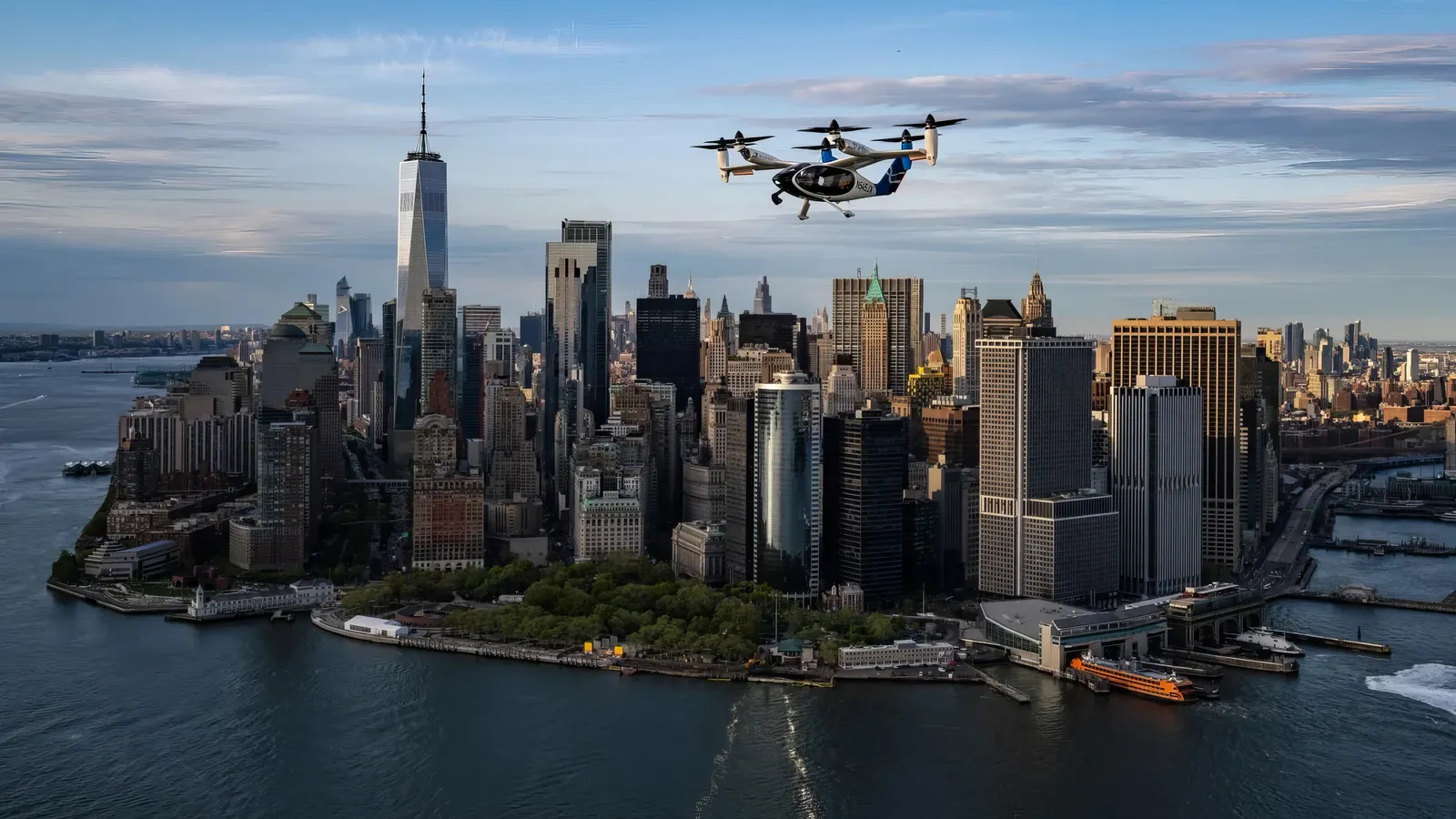
Archer, Beta, and Joby are conducting piloted eVTOL passenger flights across the U.S., advancing toward FAA certification and commercial service launch.
2 comments
Sign in to join the discussion.
Sign inThese piloted demonstration flights represent the final pre-certification stage, but the aerospace community understands that FAA oversight intensity will only increase as passenger operations scale. Each flight hour under Part 91 or experimental authority generates crucial validation data for ADAS-equivalent systems—terrain awareness, detect-and-avoid automation, and degraded mode handling—that will be scrutinized under Part 135 operational approvals and eventual DO-178C software assurance audits. The real certification bottleneck isn't airworthiness alone; it's demonstrating that autonomous or pilot-assisted failure modes meet catastrophic risk thresholds comparable to commercial aviation. Operators should embed safety case traceability now—linking flight test anomalies to hazard analyses and design changes—because retrofitting that documentation post-certification is where programs stall. Infrastructure and public perception matter, but regulators will gate launch timelines on validated safety margins, not market readiness.
While airworthiness validation dominates headlines, the propulsion architecture decisions made now will define operational viability for the next decade. All-electric eVTOLs face energy density constraints that limit range and payload—fine for intracity shuttles, but insufficient for the 100–250 nautical mile regional missions where hybrid-electric configurations unlock true network economics and weather resilience through extended loiter capability. Operators should recognize that the first certified aircraft won't necessarily be the most commercially scalable. Infrastructure planning must account for future hybrid variants that can serve both urban vertiport networks and existing regional airports, avoiding stranded assets as the technology matures beyond pure battery power.

