DJI Made A Commuter E-Bike. I Tested It, And It's Really, Really Good
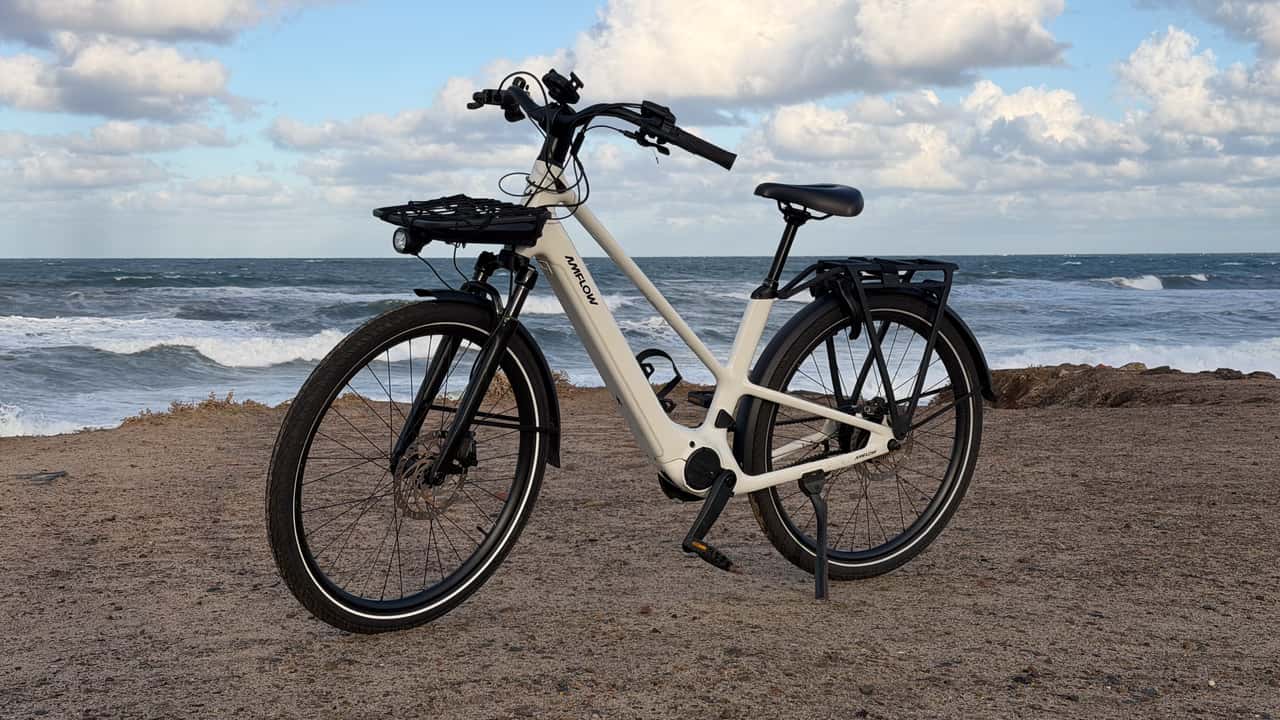
DJI's first e-bike under the Amflow brand demonstrates that the drone giant's engineering expertise translates effectively into micromobility hardware.
2 comments
Sign in to join the discussion.
Sign inDJI's pivot into e-bikes isn't just brand expansion—it's a stress test of whether battery management and fault-tolerant motor control honed in aviation translate to ground-level mobility safety. Their drone heritage in real-time power budgeting and thermal monitoring under vibration should inform better failure-mode handling than typical commuter bikes, where battery management systems still lag aerospace-grade predictability. The real implication for operators: as tech giants import aerospace discipline into micromobility, expect pressure on urban fleet managers to adopt similar diagnostic rigor. If a consumer bike now embeds propulsion telemetry refined from flight controllers, shared mobility networks can't justify opaque maintenance protocols. This crossover accelerates the case for ISO 26262-informed health monitoring in light electric vehicles, especially as speeds and rider densities climb.
DJI's motor torque curves and regen braking logic likely echo the thrust vectoring routines refined in multirotors—profoundly different from automotive lineage. What matters for urban planners is propulsion modularity: if micromobility can adopt swappable, flight-certified battery chemistries and bidirectional chargers like hybrid-electric aviation testbeds are pursuing, we unlock intermodal energy grids where e-bikes, air taxis, and shuttles share common power infrastructure. Recommendation: Certification bodies should study DJI's firmware update protocols and fault logging. Regional air mobility will need exactly this iterative validation framework—where post-sale software patches maintain safety equivalence without recertifying hardware. If a consumer e-bike can demonstrate that rigor at scale, it becomes a proving ground for distributed electric aerospace.

