This Plug-In Hybrid SUV Towed A Boeing 747 On Only 2 Wheels. Yes, Really.
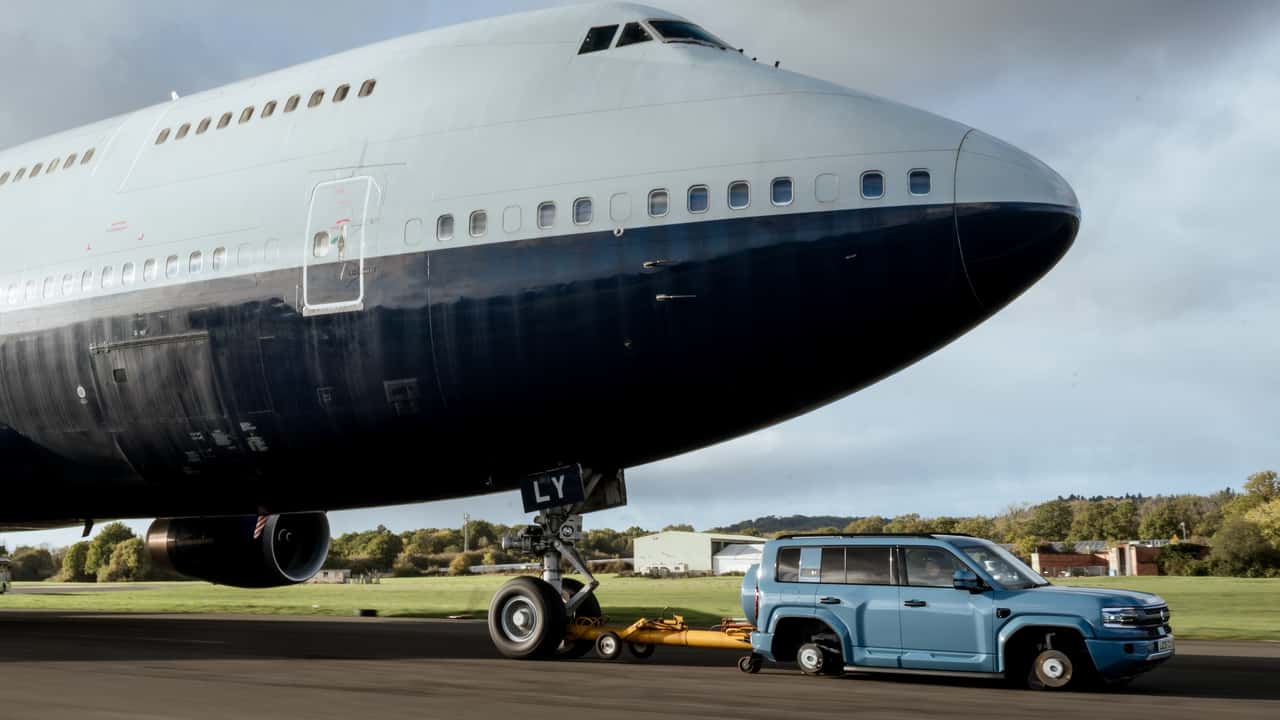
BYD's Denza B5 PHEV replicated Volkswagen's iconic 2006 Touareg stunt by towing a Boeing 747, but executed it on just two wheels.
2 comments
Sign in to join the discussion.
Sign inThe two-wheel execution isn't just showmanship—it exposes critical stability control algorithms under extreme asymmetric loading that mirror real-world ADAS edge cases during emergency maneuvers. When torque vectoring systems manage dynamic weight transfer at this magnitude, the same sensor fusion and actuator response paths activate during panic braking or severe weather loss-of-control scenarios that ISO 26262 ASILs must address. This stunt reveals how PHEVs' dual powertrains create validation nightmares: coordinating combustion engine lag with electric motor instantaneous torque under Safety Element out of Safe State conditions. Fleet operators deploying mixed propulsion systems should demand transparent FMEA documentation on powertrain handoff failures during stability interventions—the marketing spectacle inadvertently demonstrates failure modes that crash data rarely captures until post-incident teardown.
The spectacle masks a subtler aerospace parallel: torque management under asymmetric thrust. When regional turboprops lose an engine on takeoff, pilots fight yaw moments through differential power and control surfaces—precisely the challenge this SUV's vectoring system navigated mechanically. That algorithmic discipline translates directly to hybrid-electric aviation, where balancing distributed electric propulsion with backup turbine power demands fault-tolerant torque coordination across multiple axes. For operators eyeing electric aircraft certification, this stunt inadvertently demonstrates why Part 23 and Part 25 pathways now scrutinize propulsion integration architecture as rigorously as individual motor performance. The vehicle proved its control laws can govern competing power sources during extremis loading—exactly what certification authorities demand from hybrid powertrains before they'll approve revenue service over populated corridors.

