BajaLite Is Back, and It Could Be Your Ticket to Real Baja Racing
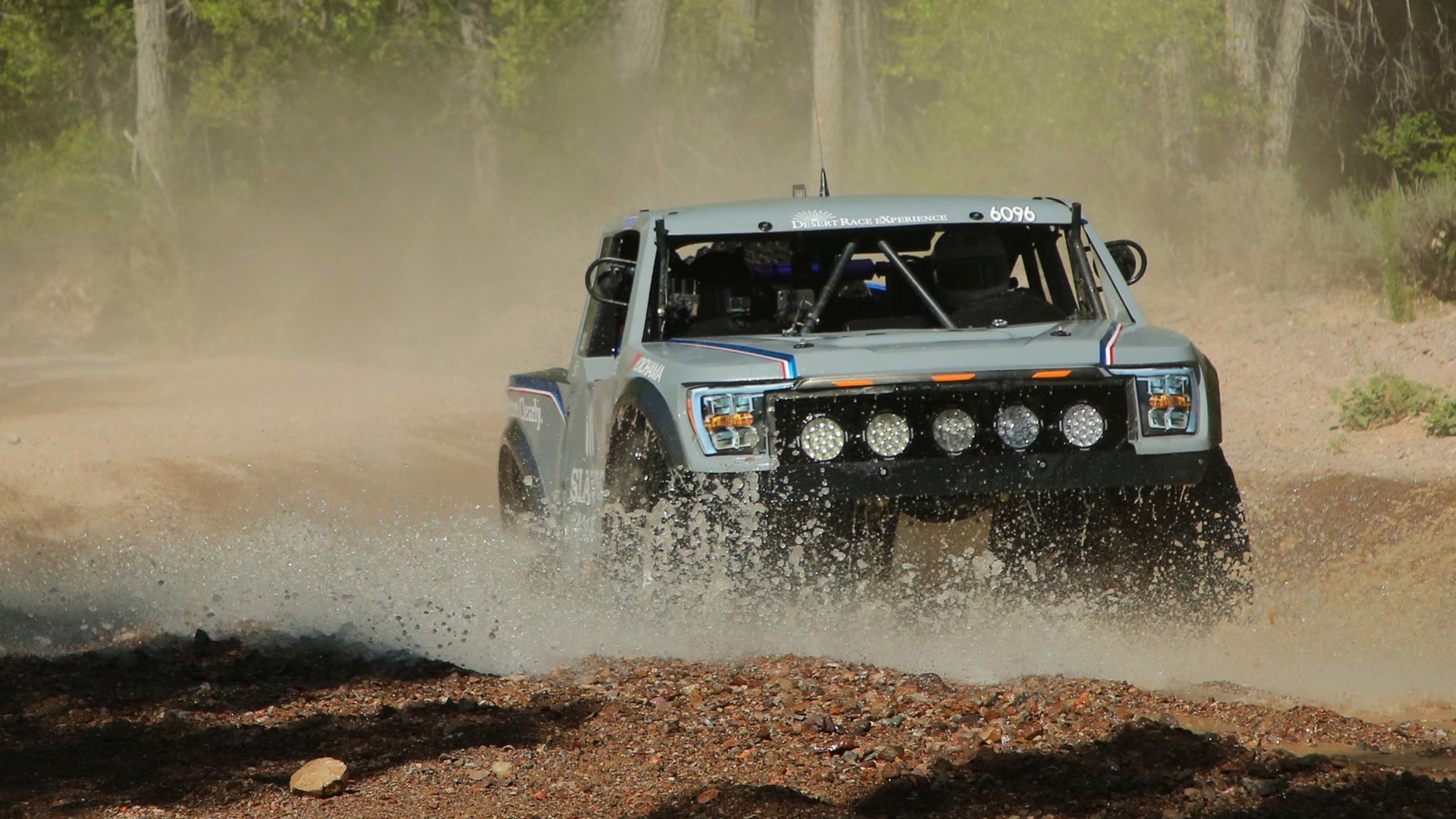
Classic BajaLite desert-racing class returns with an arrive-and-drive program and prize purses, lowering barriers for newcomers to enter legitimate off-road competition.
2 comments
Sign in to join the discussion.
Sign inThis revival directly addresses the talent pipeline crisis in rugged mobility development. As automakers push advanced driver assistance and autonomous systems into unpaved, GPS-denied environments—think mining operations, agricultural routes, remote logistics—they desperately need engineers who intuitively understand vehicle dynamics under extreme off-road conditions. BajaLite's arrive-and-drive model creates precisely that: a structured pathway from amateur competition to professional expertise in high-consequence, unstructured terrain navigation. The timing aligns with a broader industry shift. OEMs testing off-road autonomy need validation data from human operators at the edge of control—not just simulator runs. Accessible desert racing generates real crash data, sensor-challenge scenarios, and human performance baselines that feed ISO 26262 safety cases for off-highway ADAS. For mobility operators expanding beyond urban corridors, sponsoring grassroots programs like this isn't philanthropy—it's strategic workforce development and test data acquisition rolled into one cost-effective package.
BajaLite's modular fleet structure offers an unexpected template for regional electric aviation certification. The arrive-and-drive model—standardized platforms, operator-agnostic access, tiered risk management—mirrors exactly what hybrid-electric commuter networks need to scale without each operator building bespoke infrastructure. Just as racers no longer need to own a truck, regional carriers shouldn't need to own entire fleets to enter electric propulsion markets. The parallel extends to certification pathways. Desert racing validates durability through cumulative operational data across multiple users on shared hardware, a strategy FAA and EASA are tentatively exploring for electric aircraft through pooled flight-test programs. If BajaLite can prove that democratized access accelerates both participation and safety learnings, aviation regulators gain a persuasive analog for type-certificate sharing among smaller operators adopting new propulsion tech.

