BYD's Latest SUV Can Hide Its Steering Wheel When You Don't Need It
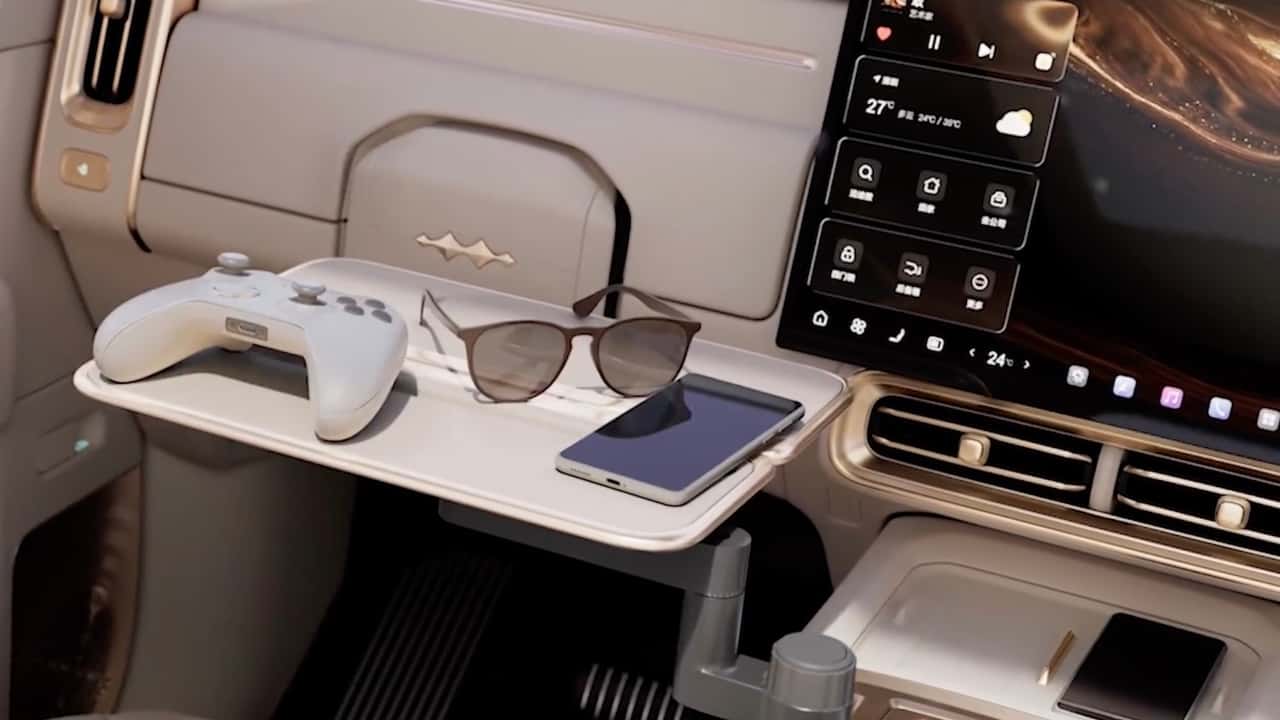
BYD's Fangchengbao Tai 9 SUV features a retractable steering wheel that folds away when parked, freeing up cabin space for relaxation or work.
2 comments
Sign in to join the discussion.
Sign inThis retractable wheel concept exposes a critical gap in current ISO 26262 functional safety frameworks—mode transition safety isn't just about L3 handover protocols anymore, but physical reconfiguration of primary control interfaces. The mechanical deployment system introduces new failure modes: what happens when emergency intervention is required but the wheel is stowed, or if the actuation mechanism faults mid-deployment? For fleet operators and OEMs watching this space, the real implication is validation burden. Every stationary-to-dynamic transition now requires proof that steering availability aligns with vehicle state monitoring, that override time budgets account for mechanical latency, and that FMEA covers jamming scenarios. BYD's pushing interior flexibility, but someone still owns the safety case when that wheel doesn't come back on demand—and current standards weren't written for furniture that doubles as flight controls.
BYD's cabin reconfiguration play is less about autonomy theatrics and more about dual-use economics—vehicles moonlighting as offices or rest zones burn less capital per asset hour. But this only pencils out if powertrains can sustain hotel loads without idling combustion engines, which is where hybrid-electric architectures earn their keep. Regional operators testing mobile workspace concepts should baseline HVAC and accessory draw against usable battery capacity; a retractable wheel is clever until your pack drains in two hours of climate control. The certification wrinkle here isn't the wheel mechanism itself—it's proving the vehicle meets contradictory standards simultaneously: crash-worthy when driving, habitable when stationary. That's a packaging nightmare that pushes OEMs toward purpose-built platforms rather than retrofits, accelerating the split between legacy cockpit design and true multi-mode mobility cells.

