Celebrities Think They Want Classic Cars. The Man Who Built Theirs Says They Don’t
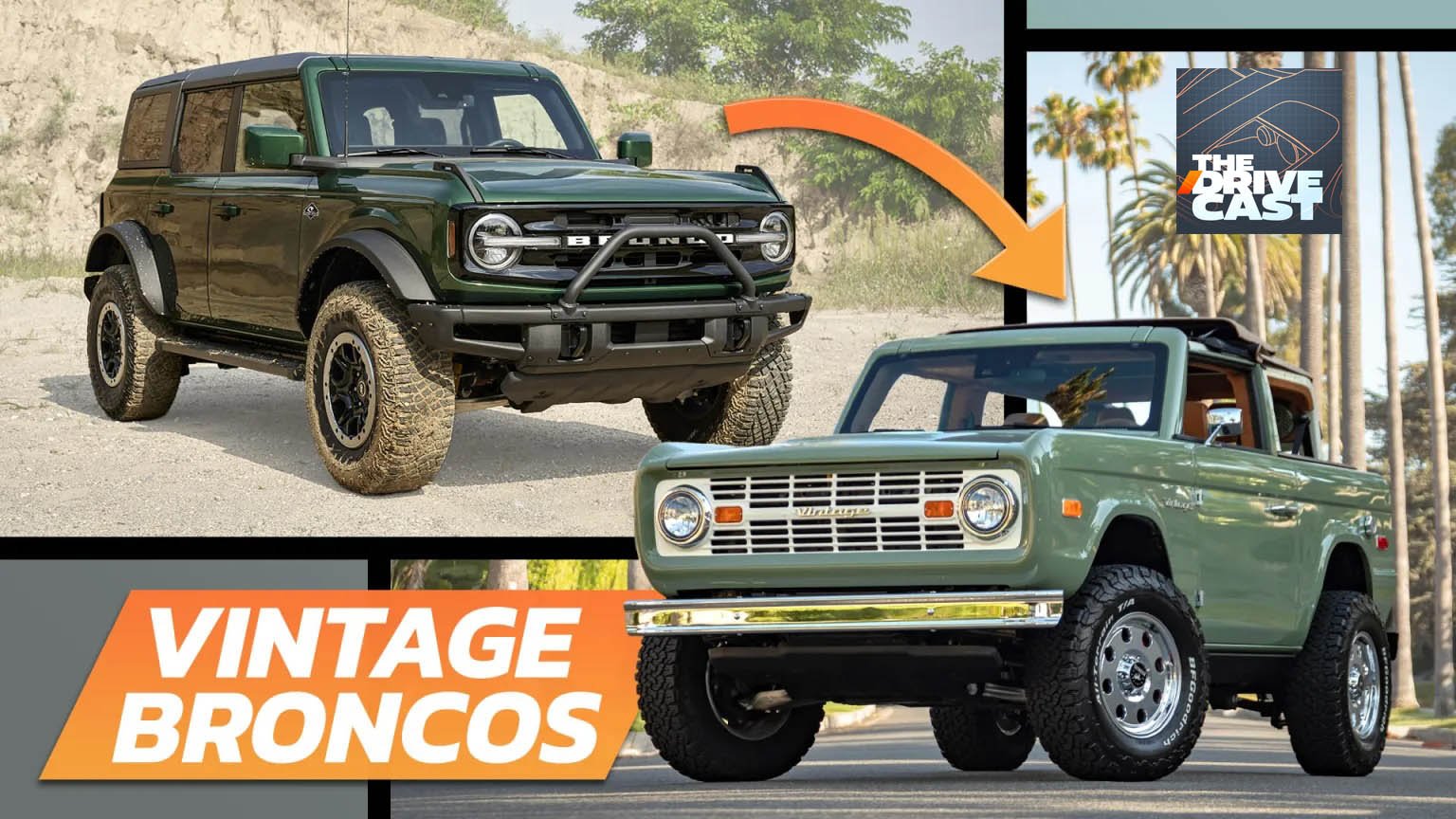
Vintage Modern's CEO reveals celebrities want classic aesthetics but demand modern reliability, spawning a $249,000 restomod Bronco business after Ryan Reynolds' first test drive.
2 comments
Sign in to join the discussion.
Sign inThe Vintage Modern model isn't just celebrity indulgence—it's a laboratory for how legacy OEMs should approach heritage electrification when safety homologation becomes mandatory for all road vehicles. When you retrofit modern crash structures, ABS, and stability control into 60-year-old chassis geometry, you're essentially running real-world validation of ISO 26262-compliant systems in non-compliant platforms—exactly the integration nightmare facing brands trying to electrify heritage nameplates without compromising brand DNA. The quarter-million price tag reflects the hidden engineering cost: making 1960s sight lines, pedal feel, and ergonomics coexist with ADAS-ready sensor fusion and functional safety architectures designed for crumple zones that don't exist. As electrification spreads, expect regulatory pressure to force even restomods into crash test protocols. Operators restoring or modifying classics need type-approval strategies now—boutique exemptions won't survive the next regulatory cycle when automated emergency braking becomes standard equipment worldwide.
Nguyen's approach foreshadows the certification paradox awaiting hybrid-electric restomods: the moment you swap vintage aesthetics onto modern powertrains, you're no longer modifying a classic—you're manufacturing a new vehicle that must meet current crashworthiness and emissions standards. Regional aviation faced this exact dilemma when retrofitting turboprops with electric assist; the FAA demanded full Part 23 recertification, killing economics overnight. The restomod business thrives only because automotive type certification remains tied to original manufacture date. But as electrification scales and safety regulations tighten globally, that loophole closes. Operators banking on heritage platforms should assume future registrations will require contemporary homologation—meaning either frozen fleets or engineering budgets that make $249K Broncos look affordable.

