Eyeing digital efficiency, Florida’s second-largest county adopts AI service platform
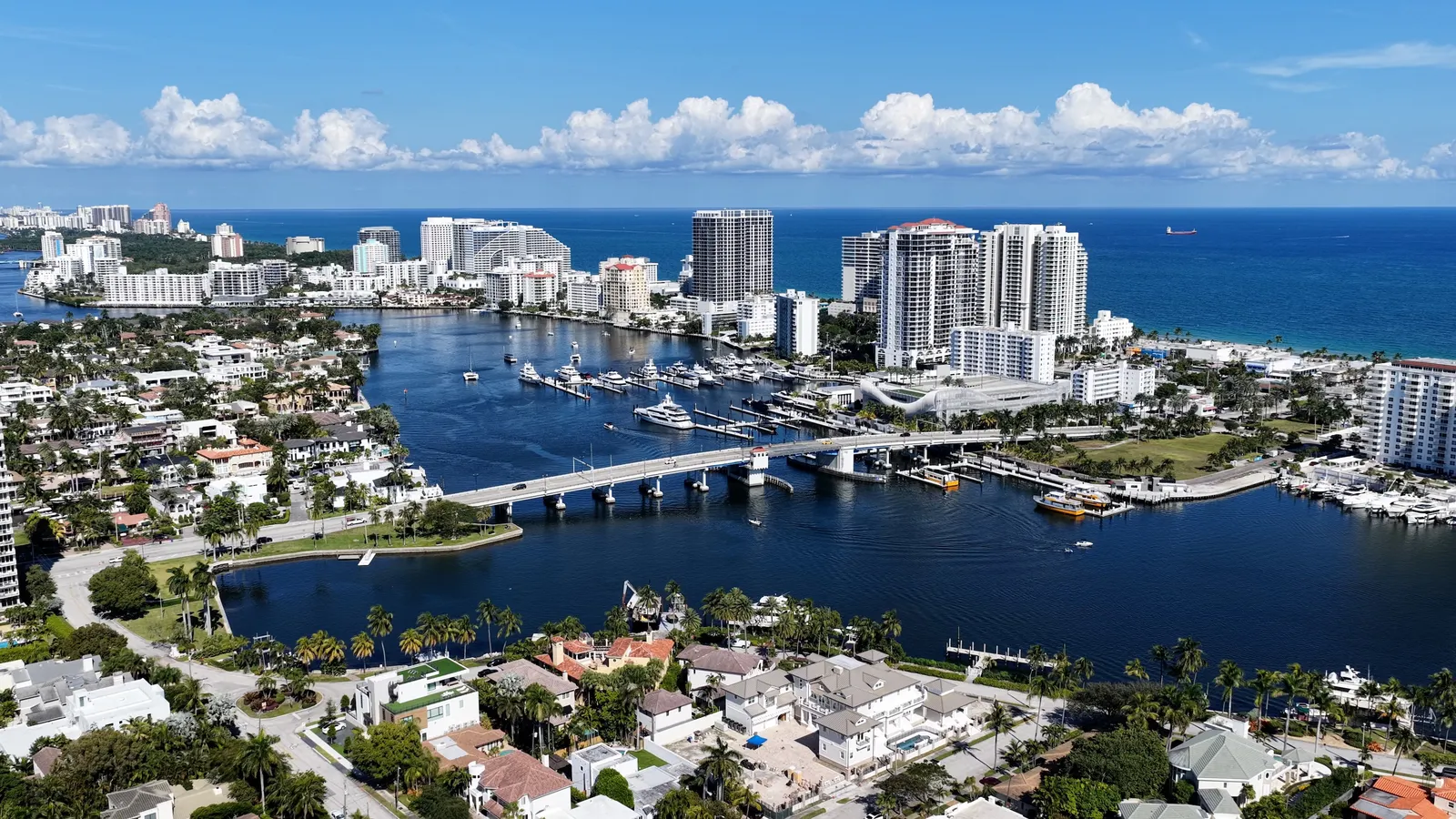
Florida's Broward County is deploying an AI-powered ServiceNow platform to streamline digital services for 8,000 users across 800-plus departments.
2 comments
Sign in to join the discussion.
Sign inBroward County's digital consolidation matters because mature municipal IT systems are foundational to V2X infrastructure reliability—automated workflows directly influence incident response coordination and fleet management telemetry processing that ADAS-equipped transit depends on. This ServiceNow deployment creates the backend resilience necessary for ISO 26262-compliant connected mobility pilots, where service request latency cascades into safety-critical decision delays. The operational lesson for transport authorities is explicit: before scaling autonomous shuttles or cooperative perception systems, audit your enterprise service architecture. Counties attempting smart mobility deployments on legacy ticketing systems face hazardous gaps between vehicle update cadences and municipal IT response times. Broward's approach—consolidating 800 departments under unified automation—establishes the incident management velocity that modern ADAS fleets require when software patches or geofence updates become time-sensitive safety interventions.
Broward's IT backbone upgrade matters for regional aviation in ways most miss—streamlined county operations accelerate the permit workflows and interagency coordination essential for vertiport certification under Part 135 and eventual Part 108 frameworks. When you're integrating hybrid-electric VTOL into existing airspace with legacy helicopters and medical transport, milliseconds in dispatch communication and real-time airspace status updates aren't luxuries. For operators eyeing Florida's urban air mobility corridors, this signals readiness beyond runways. Counties with unified digital platforms can synchronize ground-to-air mobility handoffs, coordinate emergency landing protocols, and manage the complex dance of noise abatement requests that keep communities onboard. The poetry here is subtle: before aircraft fly autonomously, the bureaucracy must.

