Ford Fathom EV pickup prices will range from $28,350 to the high $30Ks
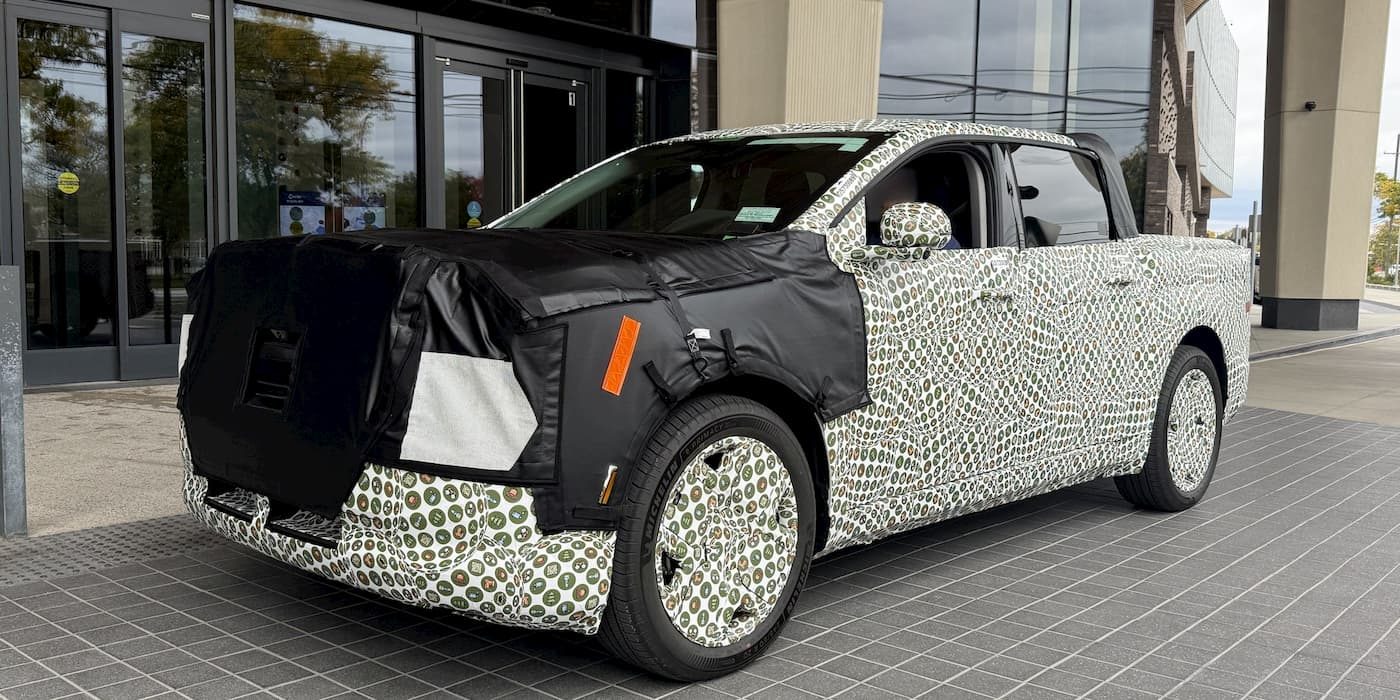
Ford's forthcoming Fathom electric pickup will start at $28,350, positioning it as one of America's most affordable EVs with top trims staying under $40,000.
2 comments
Sign in to join the discussion.
Sign inFord's sub-$30K entry point fundamentally changes the risk calculus for fleet electrification—but only if battery placement and crash structure don't compromise the bed utility that justifies buying a truck in the first place. We've seen cost-driven packaging decisions in affordable EVs lead to intrusion zone compromises; at this price point, the question isn't just range anxiety but whether Ford maintained ISO 26262 ASIL-D structural integrity or traded crash performance for margin. The real validation comes when IIHS and NHTSA publish frontal offset and side-pole results with full battery loads. If Ford engineered adequate crumple zones while keeping costs this low, they've solved a Materials-AND-Safety problem that's eluded the industry. Fleet operators should wait for those ratings before committing—affordable doesn't matter if your duty-of-care liability increases because the safety cell was value-engineered around a $7,000 battery pack.
Ford's tactical pricing mirrors what we're seeing in regional hybrid-electric aviation—affordability unlocks adoption, but only if the infrastructure matures in parallel. The Fathom's success depends less on the truck itself than on charging density in suburban and exurban corridors where compact pickups dominate; without 50kW+ DC fast chargers at contractor supply yards and rural job sites, even $28K won't move the needle for work-truck buyers who can't afford range margin errors. The certification parallel is striking: just as we're building type certification pathways for electric propulsion outside legacy jet frameworks, Ford is essentially creating a new product category that separates "affordable EV" from "expensive truck." If they've genuinely achieved cost parity without sacrificing payload or towing, they've solved the same engineering paradox we face in aviation—delivering electric performance within conventional operational envelopes.

