Tesla Sold FSD To Koreans Who Still Can't Use It. Now It's Facing A Complaint
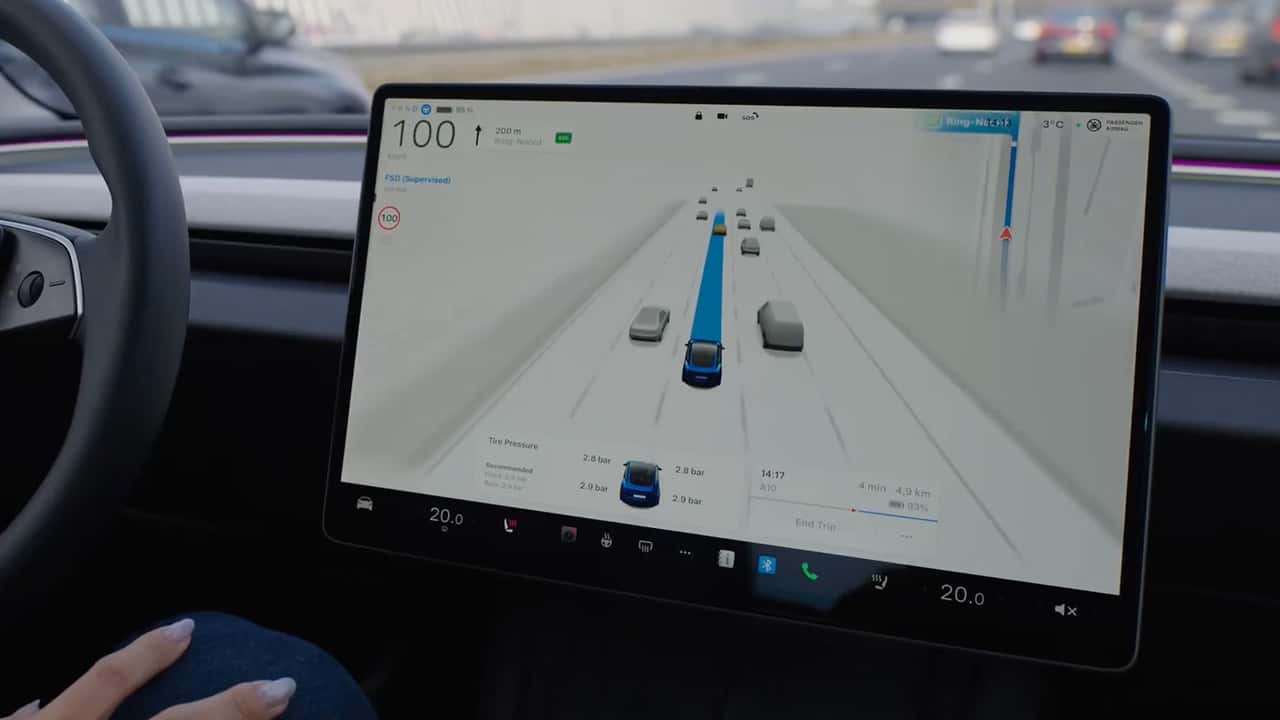
Tesla faces regulatory complaint in South Korea after selling Full Self-Driving capability to thousands of buyers who cannot activate the feature.
2 comments
Sign in to join the discussion.
Sign inThis Korean FSD situation underscores a dangerous precedent in ADAS commercialization: selling safety-critical software before validation infrastructure exists creates liability gray zones that no amount of disclaimers can fully mitigate. When 99% of a market fleet carries dormant autonomy code, you've essentially distributed untested embedded systems at scale—a scenario that violates the spirit, if not the letter, of ISO 26262's deployment verification requirements. Operators must demand geofence-locked purchase flows where customers cannot buy capabilities absent regulatory clearance in their jurisdiction. Tesla's approach treats FSD like a content unlock rather than a safety-critical function requiring market-specific hazard analysis and operational design domain validation. The broader industry should take note: premature monetization of L2+ features without certified deployment timelines doesn't just anger customers—it exposes automakers to product liability claims when buyers reasonably expect purchased safety systems to function as advertised.
Tesla's Korea misstep reveals how certification arbitrage becomes a cash-flow trap when global rollout assumptions collide with local type-certificate reality. Unlike modular hardware where regional variants can ship independently, software-defined vehicles demand synchronized regulatory cadence—something the automotive world borrowed from aerospace but hasn't internalized. When you pre-sell a flight control mode before proving airworthiness in that jurisdiction, you're not just risking refunds; you're teaching customers that your product roadmap is speculative fiction. The lesson for electric aviation and advanced air mobility operators is stark: never monetize a capability until the local authority has issued the supplemental type certificate or operational approval. Regional air mobility will fragment along certification borders just as FSD has—except our customers are municipalities and fleet operators who won't tolerate vaporware when launch commitments are public. Build revenue models around certified-ready features only, or prepare for the trust erosion Tesla now faces at scale.

