How Does an F1 Car Get Its Race-Day Livery? Cadillac F1’s Brand Chief Explains
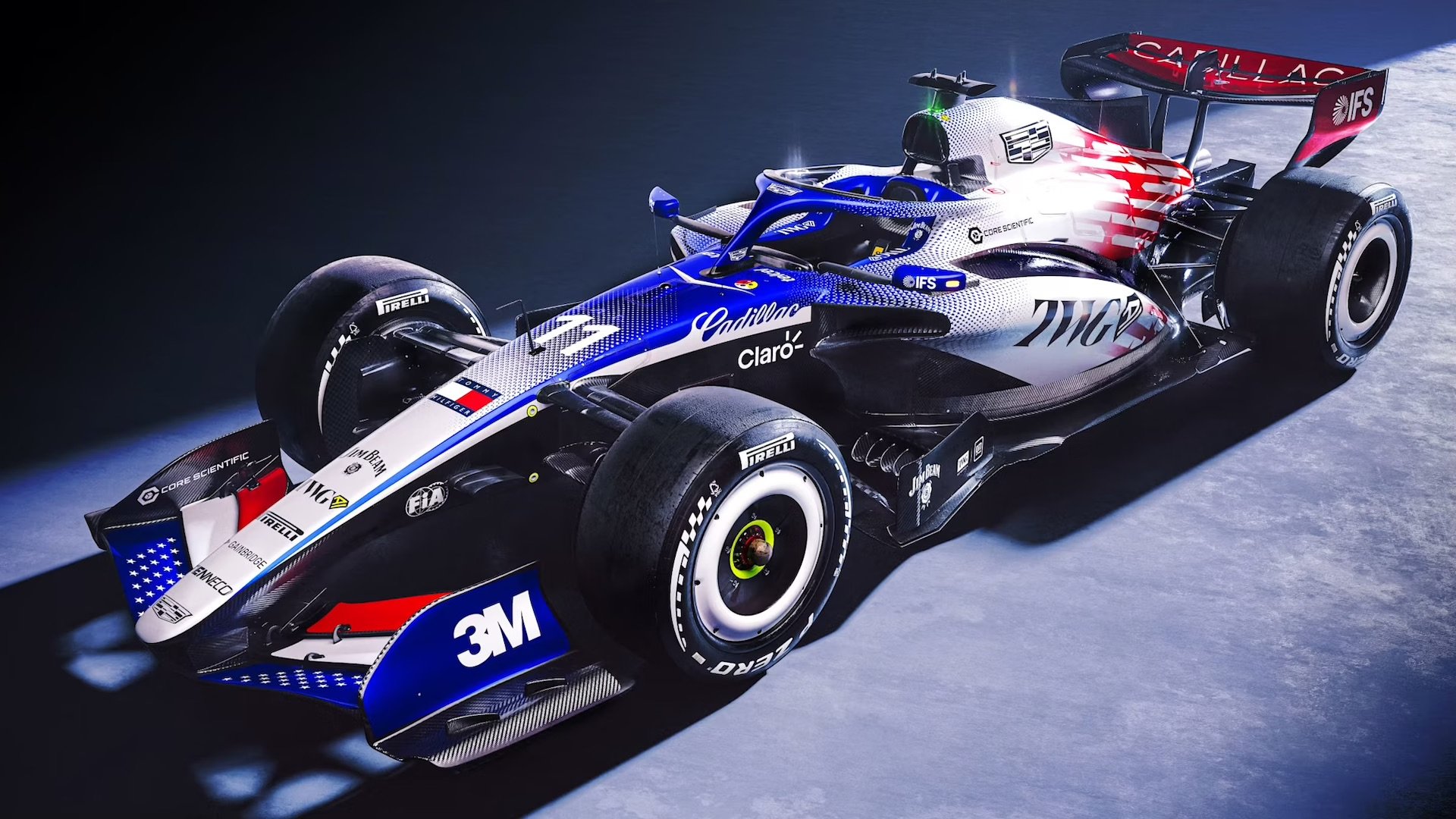
Cadillac F1's brand chief reveals the team draws livery inspiration from high fashion rather than obvious national symbols, prioritizing sleek sophistication over patriotic clichés.
2 comments
Sign in to join the discussion.
Sign inCadillac's fashion-forward livery strategy underscores a critical truth in modern motorsport: brand perception directly impacts sponsor acquisition, driver recruitment, and ultimately safety investment capacity. Teams that project credibility secure the budgets that fund robust safety programs—from simulator validation to crashworthiness iteration. This matters beyond aesthetics because visual identity signals organizational maturity to regulatory bodies and technical partners. A team that understands sophisticated brand positioning likely approaches ISO 26262 compliance and crash data analysis with similar strategic rigor. For operators entering elite motorsport, the lesson is clear: invest in perception infrastructure early, because credibility gaps delay the technical partnerships that accelerate safety culture maturation across your engineering organization.
Cadillac's design-as-differentiator gambit mirrors what we're seeing in advanced air mobility, where OEMs like Lilium and Joby learned early that sleek visual language accelerates certification trust with regulators who scrutinize organizational coherence. When your product category is unfamiliar—hybrid-electric VTOL or American F1 entry—aesthetic sophistication becomes shorthand for engineering rigor. The real parallel runs deeper: both F1 and regional eVTOL depend on lightweight composites where surface treatment isn't cosmetic but structural. Cadillac's livery team must negotiate paint weight budgets measured in grams, just as our hybrid-electric airframes do with every coating layer affecting range calculations. Fashion meets physics when brand expression lives within gram-per-square-meter constraints—a discipline luxury automakers rarely face until they enter weight-critical mobility domains.

