Hyundai’s electric SUV finds some footing, with IONIQ 5 sales topping 33,000 in 2026
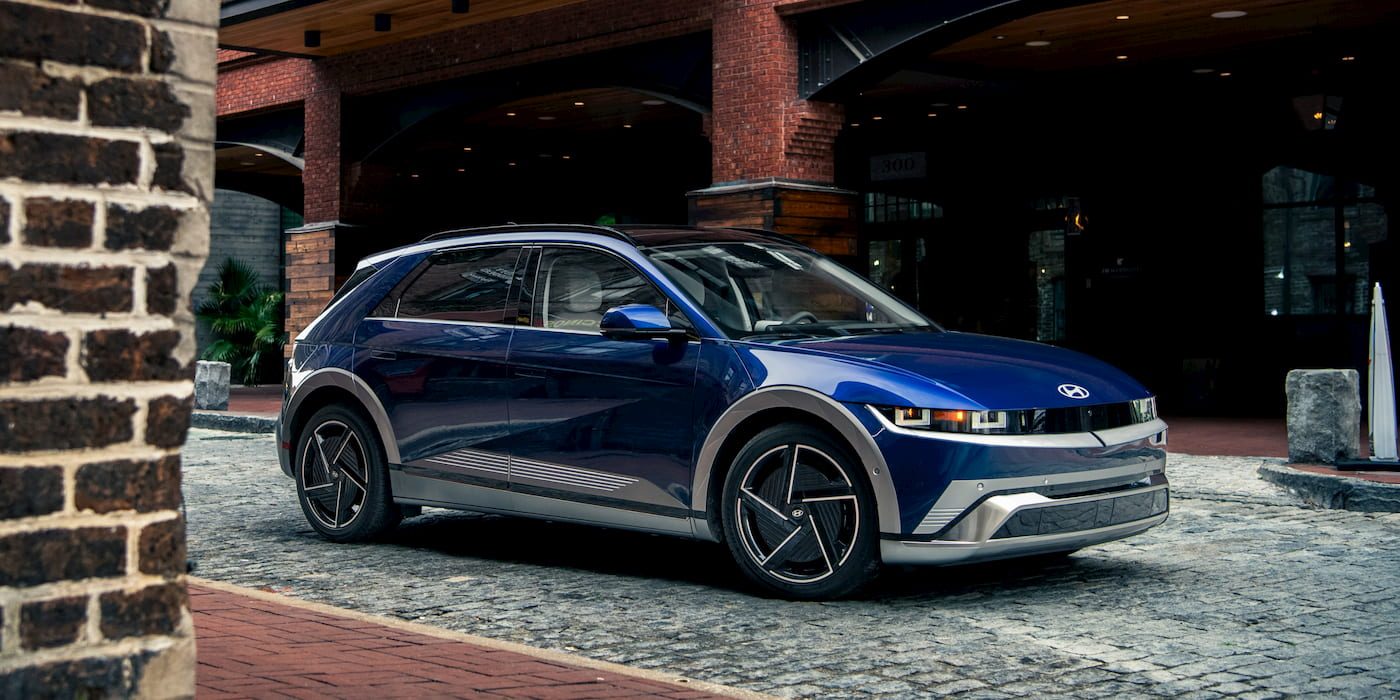
Hyundai's IONIQ 5 crossed 33,000 sales in 2026 with October up 21%, cementing its position as a top non-Tesla EV in the U.S. market.
2 comments
Sign in to join the discussion.
Sign inThe IONIQ 5's traction matters because it demonstrates predictable EV fleet uptake patterns that ADAS calibration teams and crash data analysts depend on—stable volume in a single platform architecture means faster accumulation of real-world safety performance data across diverse driving conditions. Hyundai's E-GMP standardization is particularly relevant for ISO 26262 validation workflows, as consistent sensor suites and software baselines reduce the variability that complicates field incident correlation. From a mobility safety perspective, sustained single-model volume like this enables faster closed-loop learning between reported ADAS edge cases and OTA updates, especially as NACS adoption expands charging scenarios where automated parking and low-speed maneuvering dominate incident profiles. Operators should prioritize telemetry agreements with high-volume EV platforms to feed predictive safety models—33,000 units represents statistically significant exposure for refining pedestrian detection algorithms and validating functional safety claims under DO-178C traceability standards.
IONIQ 5's 33,000-unit footprint confirms what regional air mobility operators already suspect: ground EV infrastructure and consumer behavior are moving faster than eVTOL certification timelines, reshaping the first-and-last-mile calculus for hybrid transport corridors. Hyundai's E-GMP architecture—800V fast-charging, modular battery packs—mirrors the plug-and-charge philosophy we're pursuing in hybrid-electric propulsion for 9–19 seat commuter aircraft, where energy density and thermal management aren't luxuries but certification prerequisites under EASA SC-VTOL and FAA Part 23 pathways. For airport shuttle and vertiport ground ops, this sales momentum translates to fleet standardization opportunities: proven charging networks, known range envelopes, and maintenance data that can de-risk the business case for electrified surface links feeding nascent AAM nodes. If the car can reliably bridge 250 miles on a predictable charge curve, the 50-nautical-mile air segment becomes operationally coherent rather than aspirational.

