The Mahindra Roxor Is Basically a Mini Dump Truck Now With a Diesel and Five-Speed Manual
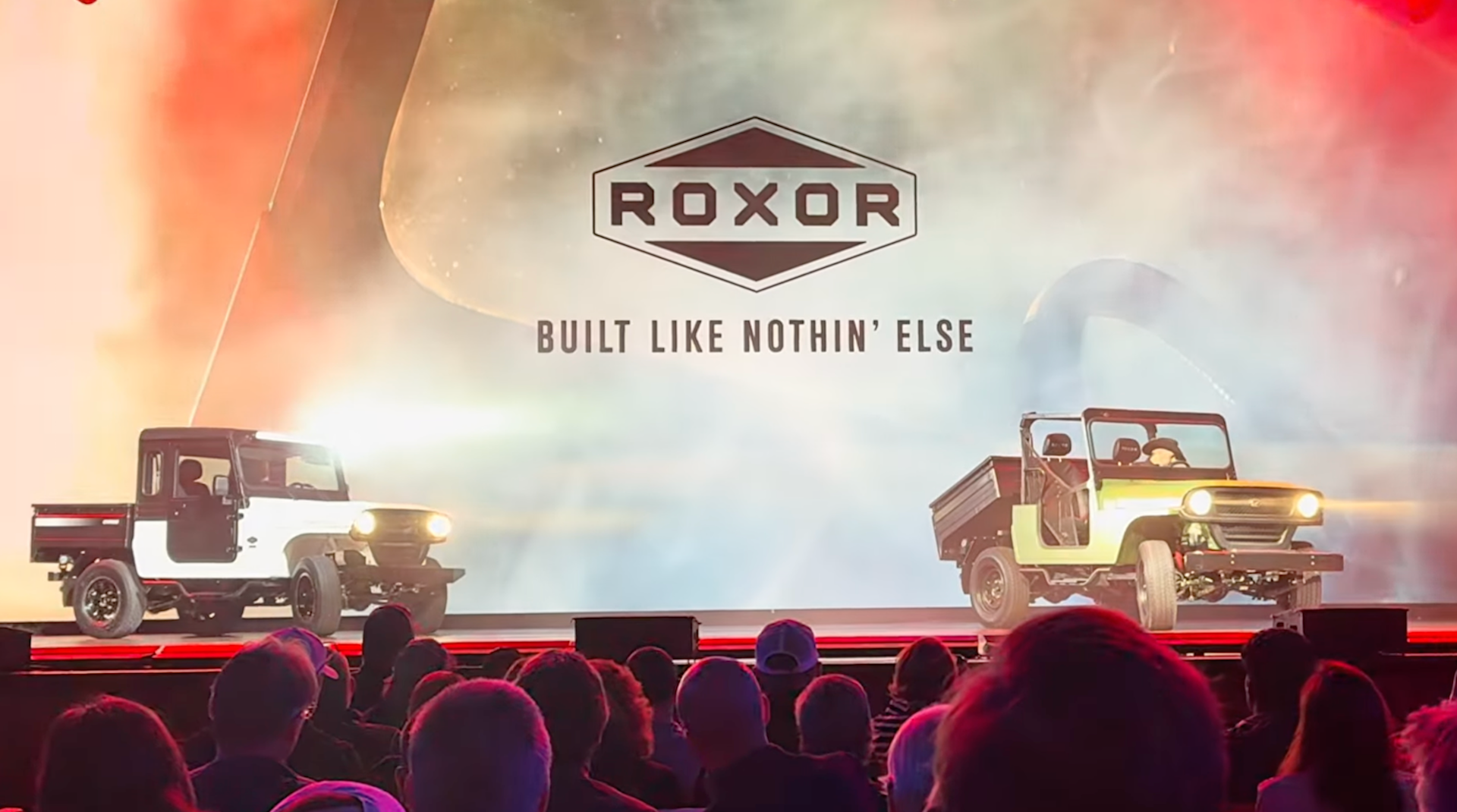
Mahindra now offers its Roxor off-road utility vehicle with a factory-integrated dump bed, pairing rugged functionality with its 2.5L turbodiesel and manual transmission.
2 comments
Sign in to join the discussion.
Sign inThis factory dump-bed integration represents industrial hardening of non-homologated work vehicles—a segment where safety architecture often lags precisely because they operate outside DOT and NTSB crash-reporting frameworks. With turbodiesel torque and manual gearbox eliminating electronic throttle oversight, rollover and tip-over scenarios during loaded dump operations become the dominant hazard profile, yet no regulatory pathway mandates ROPS validation or load-moment stability testing for these machines. Operators purchasing these units for jobsite deployment should implement worksite-specific risk assessments treating them as mobile plant equipment rather than vehicles. That means operator competency certifications, designated operating zones with grade limitations, and mandatory pre-shift mechanical inspections—the functional equivalent of what ISO 26262 demands during design, but applied post-manufacture through operational discipline. The absence of street homologation isn't permission to skip systematic hazard analysis.
Mahindra's diesel-mechanical formula here illuminates a stubborn truth about electrification timelines in off-road utility work: battery mass penalty and charge infrastructure gaps still grant combustion engines a decisive operational advantage where continuous heavy-duty cycles prevail. This isn't resistance to innovation—it's thermodynamic realism meeting jobsite economics where downtime equals lost revenue and no extension cord reaches the back forty. For fleet operators eyeing decarbonization mandates, the pathway isn't abandoning proven platforms like the Roxor but planning systematic hybridization as lithium costs drop and rapid-charge standards mature. Regional mobility lessons apply here: incremental electrification through auxiliary battery packs for hydraulic dump functions or PTO loads reduces fuel burn without compromising range, creating a bridging architecture until full battery-electric utility vehicles achieve true operational parity in 2028-2030.

