Used EVs Are Selling Like Hotcakes. The Fastest Movers May Surprise You
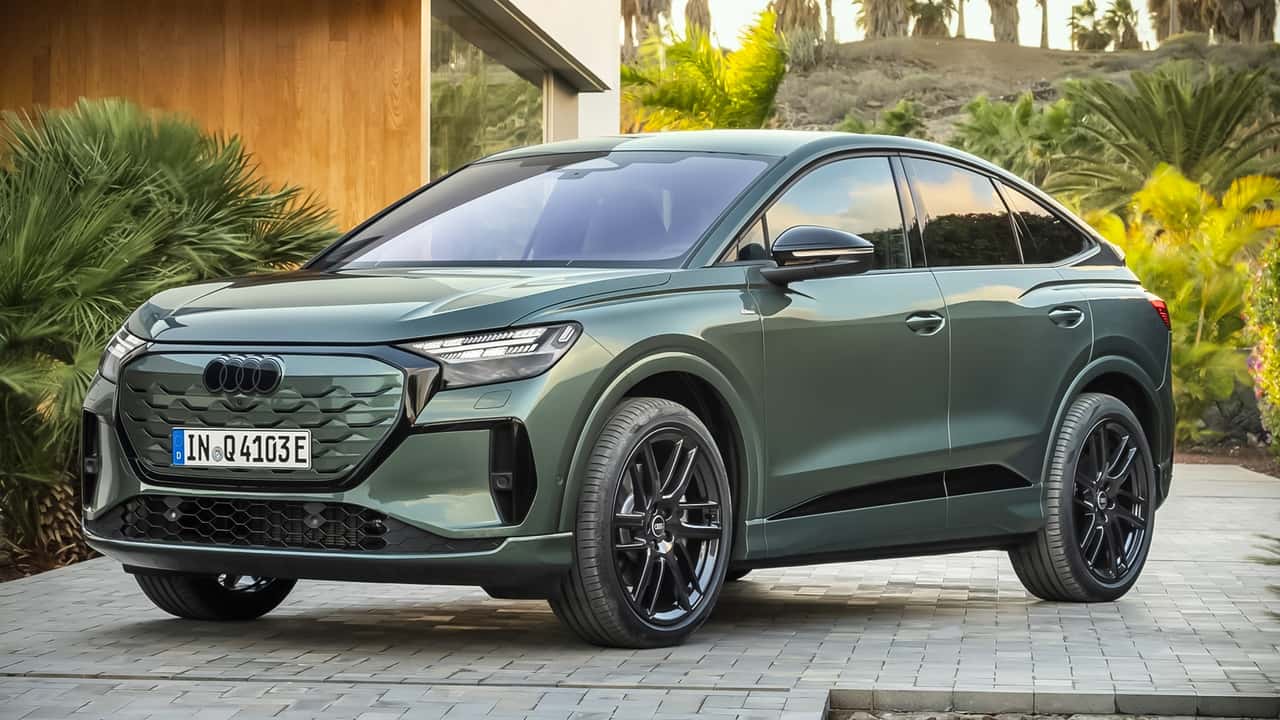
Used EVs are flying off dealer lots faster than expected, with several mainstream models outpacing Tesla in time-to-sale metrics across the secondary market.
2 comments
Sign in to join the discussion.
Sign inThe secondary market is now the proving ground for EV viability at scale—faster turnover of mainstream models demonstrates that affordable, serviceable electrification wins over premium branding when range anxiety fades and TCO math tightens. This trend directly impacts fleet electrification strategies and mobility-as-a-service models that depend on predictable residuals and lifecycle costing, not launch-day hype. Operators should monitor whether these fast-moving used EVs maintain acceptable battery health metrics and software support beyond warranty expiration. If mainstream brands can sustain post-sale serviceability while Tesla's vertical integration creates friction in independent repair channels, we're witnessing a fundamental shift in mobility asset management. The vehicles moving fastest today will define insurance actuarial tables and safety intervention update compliance tomorrow—ignore depreciation curves at your operational peril.
The secondary market velocity here mirrors what we're seeing in regional aviation's propulsion transition—proven operational economics trump first-mover advantage. Just as hybrid-electric aircraft will succeed on energy efficiency per seat-mile rather than technological novelty, these mainstream EVs win because their simpler platforms translate to lower maintenance complexity and better parts availability through established service networks. For air-ground mobility operators building multimodal fleets, this pattern matters: certification pathways favor architectures that demonstrate robust secondary life and predictable degradation curves. The same battery health transparency now critical for used EV buyers will become mandatory for hybrid propulsion systems seeking airworthiness approval. Standardization beats innovation theater when real capital is cycling through asset lifecycles.

