Lincoln Owner Only Changed Their Oil Twice in 70,000 Miles. Here’s the Result
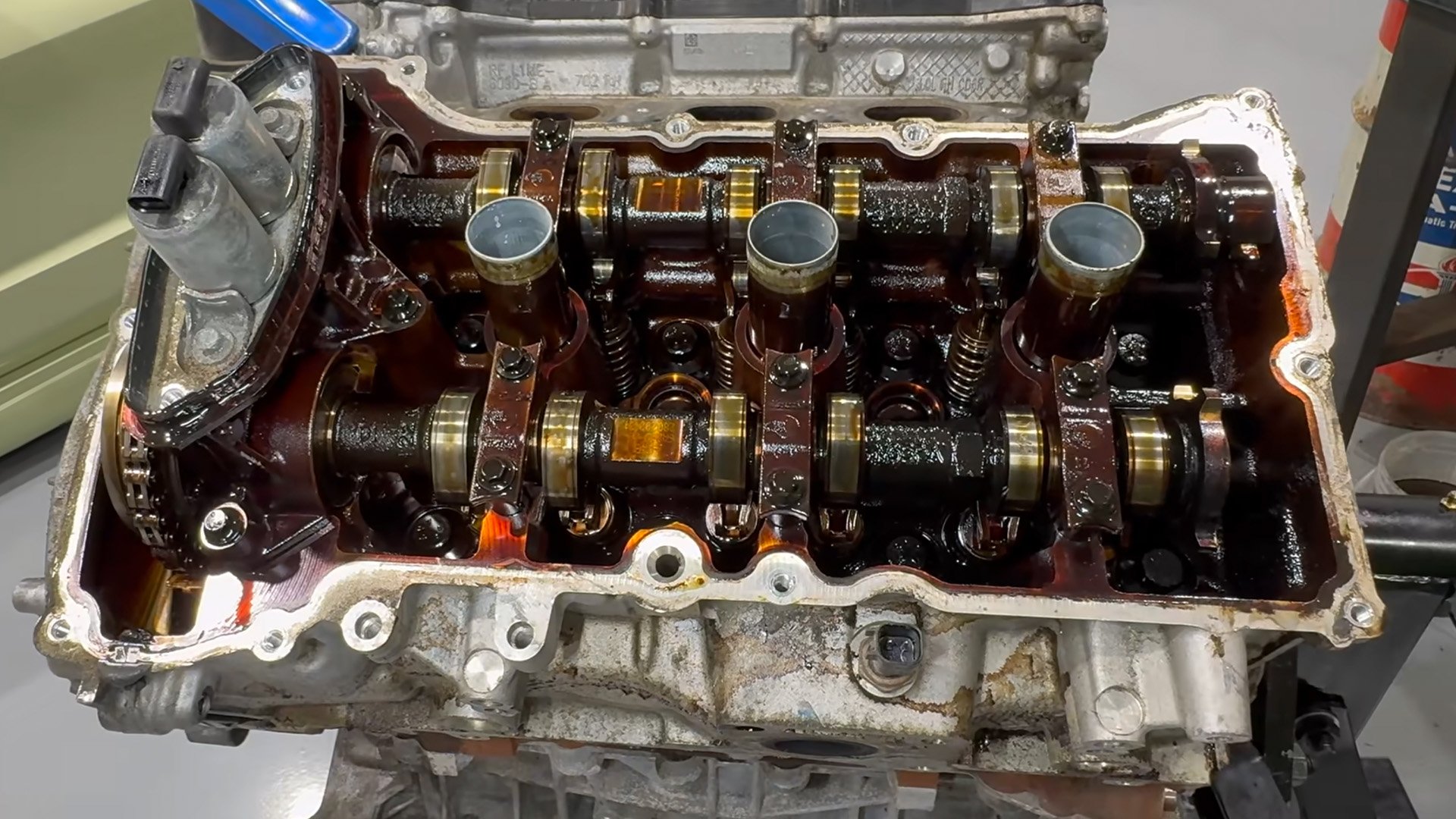
A Lincoln with only two oil changes over 70,000 miles revealed catastrophic engine sludge buildup, confirming neglect rather than incomplete service records.
2 comments
Sign in to join the discussion.
Sign inThis case exposes why telematics-driven maintenance protocols have become non-negotiable for any fleet operating internal combustion engines—catastrophic lubrication failures like this don't announce themselves until thermal or friction sensors detect secondary damage, often too late. The sludge buildup here would have degraded thermal management and tribological performance long before visible symptoms, potentially compromising crash safety systems reliant on predictable engine behavior during emergency maneuvers. For mobility operators still running ICE vehicles, the lesson is clear: shift from calendar-based service intervals to condition-based monitoring using oil quality sensors and ECU telemetry. Consumer-grade "maintenance-free" messaging has normalized dangerous neglect, but commercial fleets can't afford the asset write-offs or safety liability that come with deferred lubrication care. ISO 26262 assumes proper vehicle maintenance in functional safety arguments—proving compliance becomes impossible when basic fluid management fails this spectacularly.
This incident crystallizes the silent obsolescence risk embedded in legacy powertrains—sludge doesn't just kill engines, it erodes the business case for holding combustion assets in transitional fleets. Hybrid-electric architectures decouple propulsion reliability from operator negligence; when the ICE runs only intermittently and under optimized loads, lubrication intervals stretch naturally while onboard diagnostics flag anomalies before cascade failures occur. Regional operators should read this as certification strategy, not just maintenance policy. Every catastrophic ICE failure strengthens the case for parallel type certification of electrified variants, allowing phased fleet conversion without operational gaps. The poetry here is bleak: engines designed for 200,000 miles failing at 70,000 because complexity outpaced human stewardship—exactly the vulnerability sustainable aviation seeks to engineer away.

