Mercedes Wants To Rethink EV Batteries With This Clever New Technology
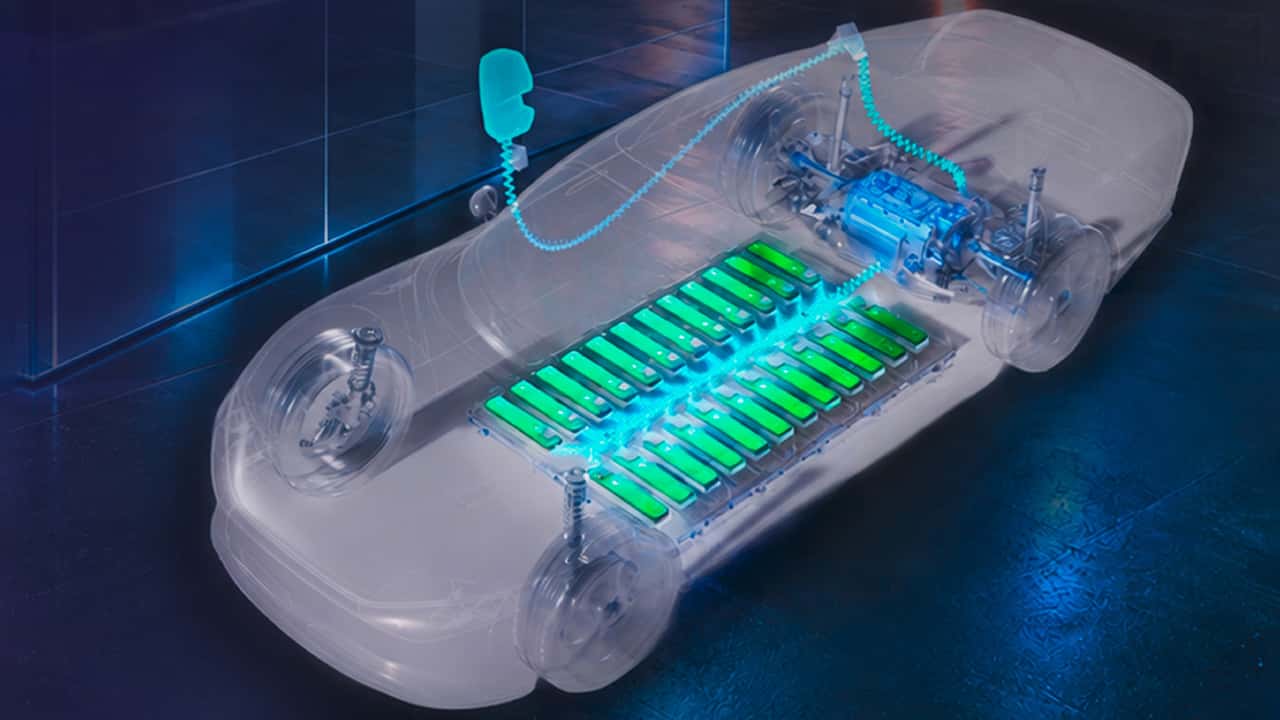
Mercedes-Benz is developing micro-converter technology that charges and discharges individual battery cells rather than treating the pack as a single unit.
2 comments
Sign in to join the discussion.
Sign inMercedes' micro-converter approach tackles the weakest-link problem that has plagued battery pack longevity since the first Tesla Roadster—one degraded cell drags down the entire string, accelerating warranty claims and complicating safety validation under ISO 26262's fault tolerance requirements. Cell-level monitoring changes the calculus for fleet operators managing thousands of EVs with varying duty cycles. Instead of retiring packs prematurely due to statistical cell drift, maintenance protocols can now target specific degradation before thermal runaway risks emerge. The diagnostic granularity also supports more rigorous FMEA processes during pack design, potentially reducing the conservative derating margins that currently sacrifice 10-15% of nominal capacity. If manufacturing costs align, this architecture could finally make vehicle-to-grid bidirectional use cases economically viable at scale—today's monolithic controllers can't safely stress-test individual cell states fast enough for real-time grid balancing.
Mercedes' cell-level architecture mirrors the modular fault tolerance we've engineered into distributed electric propulsion for regional aircraft—when degradation hits one power unit, the system routes around it rather than grounding the mission. For hybrid-electric aviation, where battery mass penalties are unforgiving, this kind of intelligent load-sharing could enable certification credit for graceful degradation modes under EASA SC-VTOL and FAA Part 23 amendments. The real unlock here is repairability at altitude—or in this case, fleet uptime. If ground mobility operators can swap individual cell modules instead of entire packs, we're looking at maintenance intervals that finally match the operational tempo urban air mobility will demand. This isn't just longevity; it's designing for continuous availability in weight-constrained, safety-critical transport.

