Stuffing a Yanmar Diesel Boat Engine in an 80-Series Land Cruiser Doubles the HP
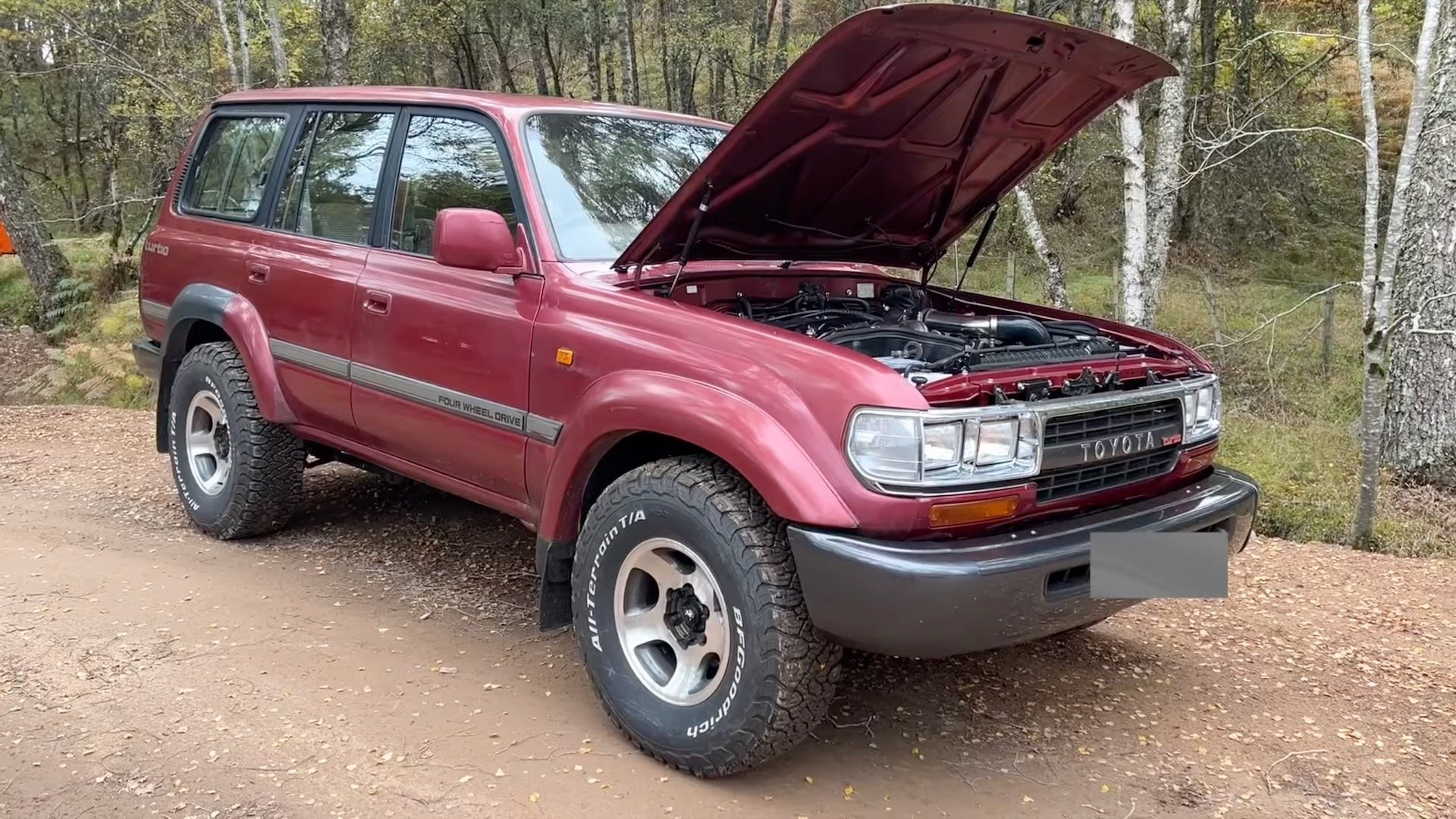
An 80-Series Land Cruiser received a marine-grade Yanmar diesel transplant, doubling its horsepower and showcasing extreme engine-swap creativity in the overlanding community.
2 comments
Sign in to join the discussion.
Sign inMarine diesel swaps expose a critical gap in automotive functional safety: these engines carry no ISO 26262 compliance, no fail-safe emission controls, and zero integration with modern vehicle stability or braking systems. While the torque appeal is understandable, the absence of standardized CAN interfaces means ADAS retrofits become impossible, and crash event data logging—essential for post-incident reconstruction—vanishes entirely. This trend signals a bifurcation in mobility: heavily regulated consumer vehicles marching toward electrification and sensor fusion, versus a parallel enthusiast universe retreating into unmonitored mechanical systems. For fleet operators considering similar durability plays, the smarter path is ruggedized OEM diesel platforms with retained diagnostics and predictive maintenance telemetry. Longevity without traceability is a liability in any safety-critical application.
Fleet operators watching this swap should recognize what it really signals: total cost of ownership desperation. When enthusiasts rip out factory drivetrains for marine diesels, they're voting with wrenches against platform longevity and parts availability in aging commercial fleets. The 80-Series praise for "industrial torque" mirrors what we hear from operators stuck nursing 15-year-old utility trucks past their economic life because replacement cycles got deferred. The real fleet implication isn't the swap itself—it's that purpose-built commercial platforms with proper diesel options, telematics integration, and OEM support networks exist today but often get overlooked for budget reasons. When your drivers start jury-rigging powertrains or your maintenance staff entertains marine engine catalogs, you've already lost the TCO battle. Schedule the replacement order before the creativity starts.