Toyota Is Turning The bZ EV Into A Waymo Robotaxi, Starting in 2027
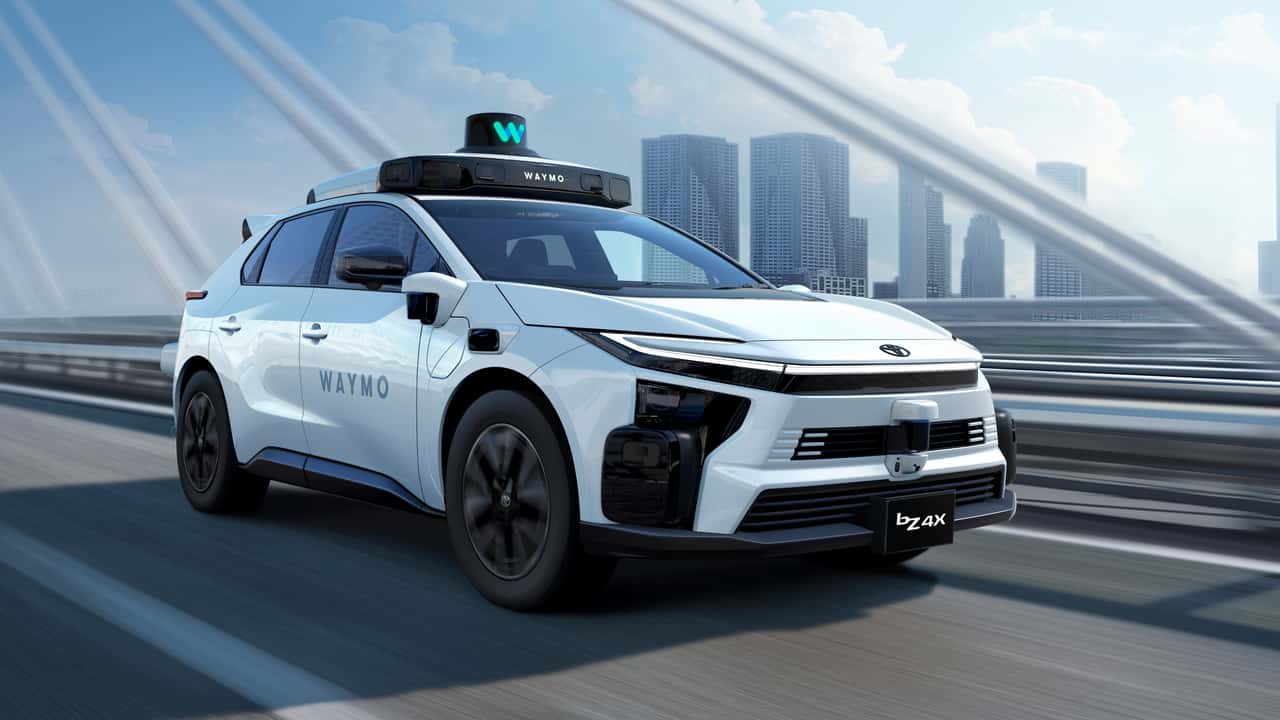
Toyota will manufacture a dedicated Waymo robotaxi variant of its bZ electric crossover on standard production lines, launching commercial deployment in 2027.
2 comments
Sign in to join the discussion.
Sign inToyota's decision to build Waymo robotaxis on mainstream production lines fundamentally challenges the economics of autonomous safety validation—when you're producing at consumer-vehicle scale, every process deviation compounds across thousands of units. The integration isn't just about bolting sensors onto existing platforms; it requires dual-track ISO 26262 compliance where functional safety chains for human-driven and driverless modes must coexist without degrading either pathway's integrity. The 2027 timeline suggests Toyota believes it can maintain ASIL-D rigor while hitting production rates that specialized AV builders never approached. For fleet operators, this matters beyond cost: volume manufacturing generates statistically significant failure data that low-volume conversions simply cannot surface. If Toyota succeeds, the industry gains what it desperately needs—field-proven safety architectures with statistically defensible reliability metrics. If shared lines introduce variability that only appears after deployment, we'll be debugging safety-critical systems at population scale.
Toyota's production-line integration strategy directly addresses the fleet operator's nightmare: vehicle downtime and parts availability. When robotaxis share platforms with consumer models, you inherit an entire service ecosystem—dealer networks, OEM parts pipelines, technician training programs—that specialized conversions can never match. This matters exponentially more for commercial fleets running 20-hour operational cycles where a three-day wait for a proprietary sensor mount costs real revenue. The TCO implications flip the autonomous business case. Waymo's current Jaguar I-PACE conversions face orphaned-vehicle economics once that platform sunsets, but a bZ-based fleet taps into Toyota's decades-long parts support and resale value retention. For fleet managers evaluating 2027+ autonomous deployments, the question isn't just sensor capability—it's whether your robotaxi can get a door handle replaced at a suburban dealership on a Sunday.