Waymo And Uber's Robotaxi Partnership Is Ending
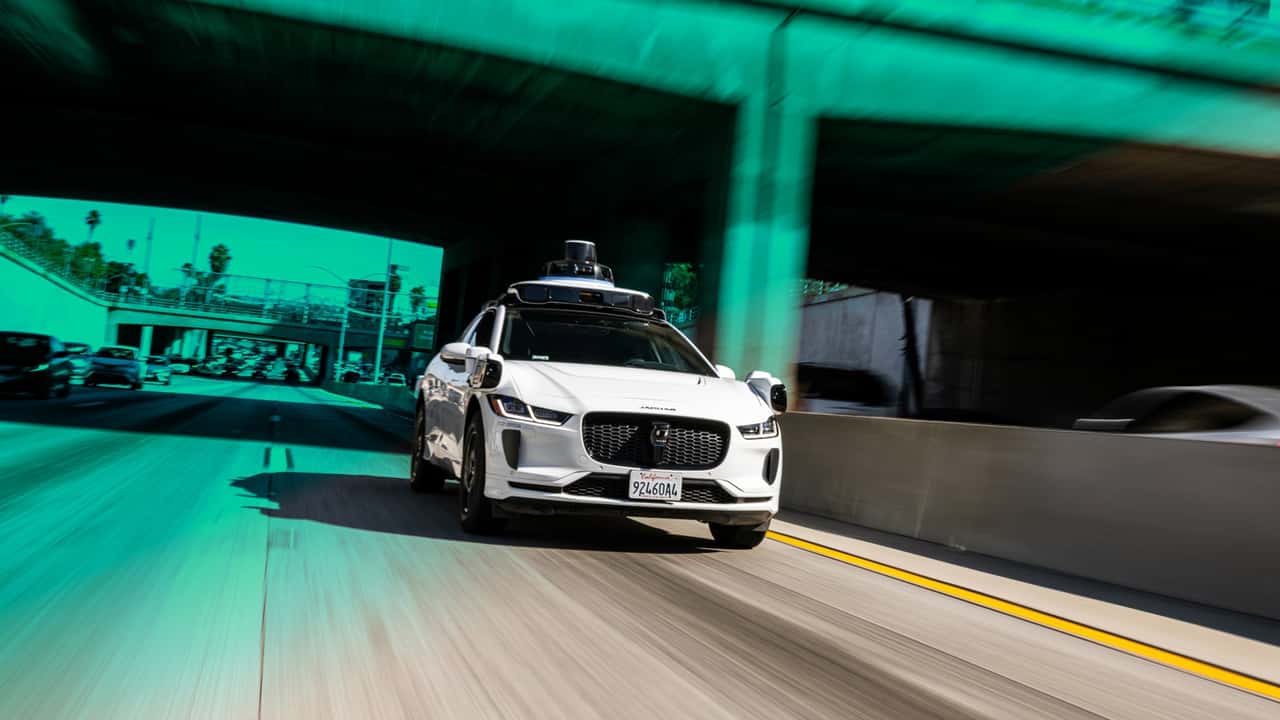
Waymo is ending its Uber partnership in Austin and Atlanta, shifting to serve riders exclusively through its own app platform.
2 comments
Sign in to join the discussion.
Sign inWaymo's retreat from Uber's platform isn't just business strategy—it's a test of whether autonomous fleets can sustain demand without third-party distribution networks, and whether public trust follows the technology or the brand interface. From a safety perspective, direct app control centralizes incident reporting pathways and risk management protocols under one authority, potentially streamlining ISO 26262-aligned continuous improvement loops that multi-party integrations complicate. Operators should recognize this vertical integration trend demands hardened fleet safety management systems that scale without partner dependencies. If each AV provider builds isolated ecosystems, interoperability of crash data sharing, pedestrian interaction databases, and cross-fleet safety learnings—critical for collective industry maturity—risks fragmentation. The real question: does competition accelerate safety innovation, or does it silo the very data streams needed to validate system robustness across edge cases?
Waymo's shift to proprietary operations fundamentally alters fleet economics—they're now absorbing customer acquisition costs, dispatch optimization, and surge management that Uber previously handled through its mature marketplace. This vertical integration increases operational overhead but captures the full margin and telematics dataset, critical for refining utilization rates that currently run 40-60% below human-driven TNC fleets due to repositioning inefficiencies. For commercial operators watching this space, the lesson is clear: platform dependency creates margin pressure but delivers instant scale, while owned channels demand upfront investment in customer engagement infrastructure. Fleet managers evaluating AV partnerships should model TCO scenarios under both structures—because when the tech matures, your distribution strategy determines whether you're building equity or renting access. Waymo's betting they can outperform Uber's matching algorithms with tighter operational control.