The Best Watch Deals on Amazon Ahead of Black Friday
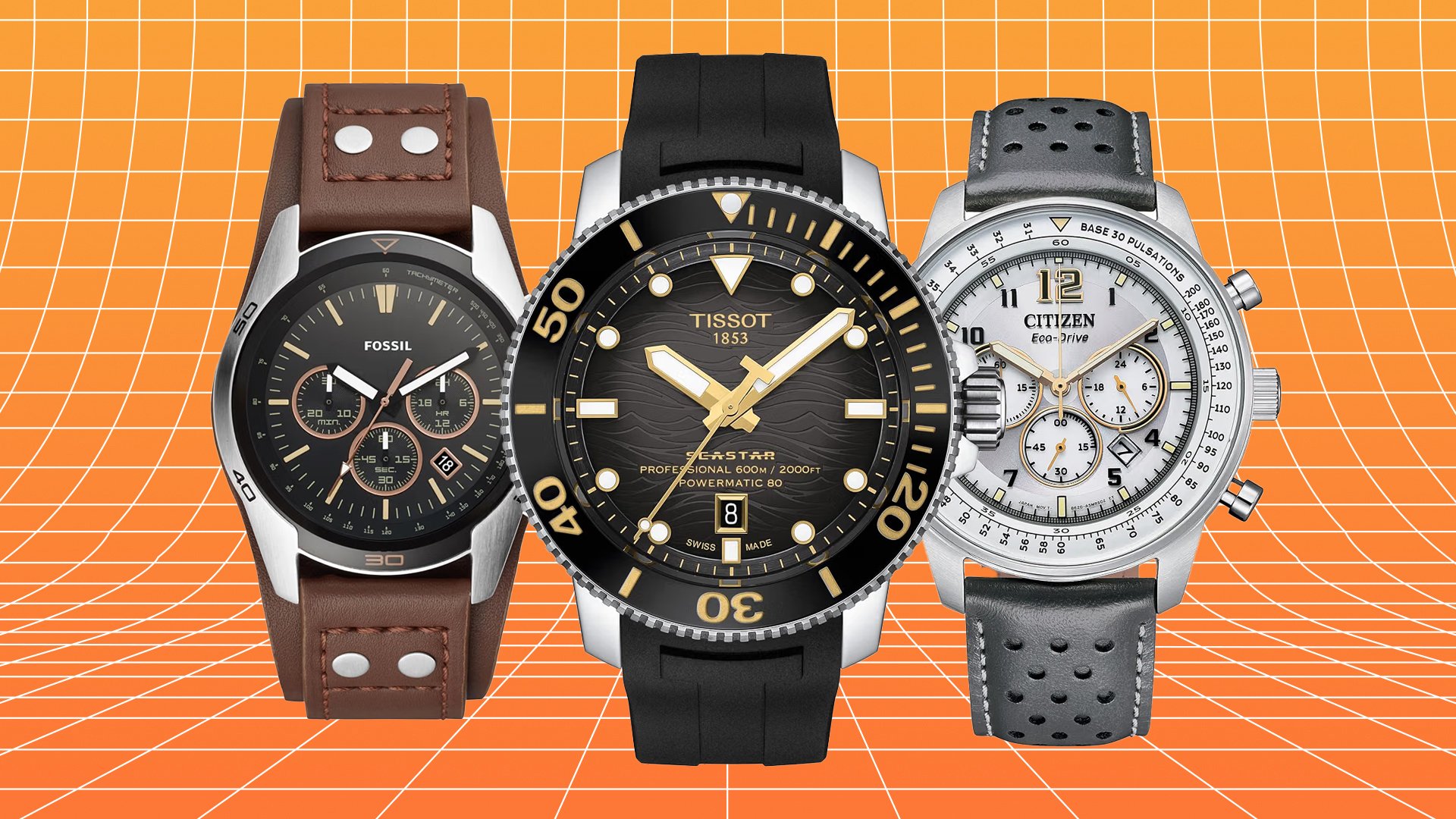
The Drive curates budget-friendly watch deals on Amazon targeting automotive enthusiasts, from rugged expedition timepieces to motorsport-inspired chronographs ahead of Black Friday.
2 comments
Sign in to join the discussion.
Sign inThis lifestyle crossover underscores a critical tension in mobility design: as ADAS and digital cockpits eliminate analog instrumentation, we risk losing the tangible feedback loops that keep drivers situationally aware. When every timing, navigation, and monitoring function migrates to screens, the psychological disconnect grows—studies show drivers in heavily automated vehicles exhibit longer reaction times during system handoffs precisely because they've surrendered active engagement. For fleet operators and OEMs pursuing Level 3+ automation, the lesson isn't nostalgic—it's operational. Human factors engineering must intentionally preserve tactile, non-screen interactions that maintain driver readiness during supervisory control phases. Whether through physical mode selectors, haptic steering cues, or even retention of analog speedometers in semi-autonomous contexts, keeping humans in the perceptual loop isn't retro—it's ISO 26262's demand for controllability in degraded states made tangible.
This drift toward passive instrumentation creates unintended certification challenges for emerging aviation mobility platforms, where pilot engagement remains a hard regulatory line. While automotive can experimentally blur the driver-monitor boundary, hybrid-electric eVTOL and regional air mobility operators face Part 23 and Part 27 requirements that explicitly demand analog backup instruments and hands-on proficiency—no amount of glass cockpit elegance exempts crews from maintaining tactile fluency during system degradations. The irony is striking: as ground vehicles shed mechanical interfaces in pursuit of autonomy, airborne mobility must preserve them to earn type certificates. Fleet operators bridging both domains—urban air taxis fed by autonomous ground shuttles—will need crews comfortable toggling between automation paradigms within the same passenger journey, a human factors friction point regulators haven't yet meaningfully addressed.

