The e-bike industry has a horsepower problem
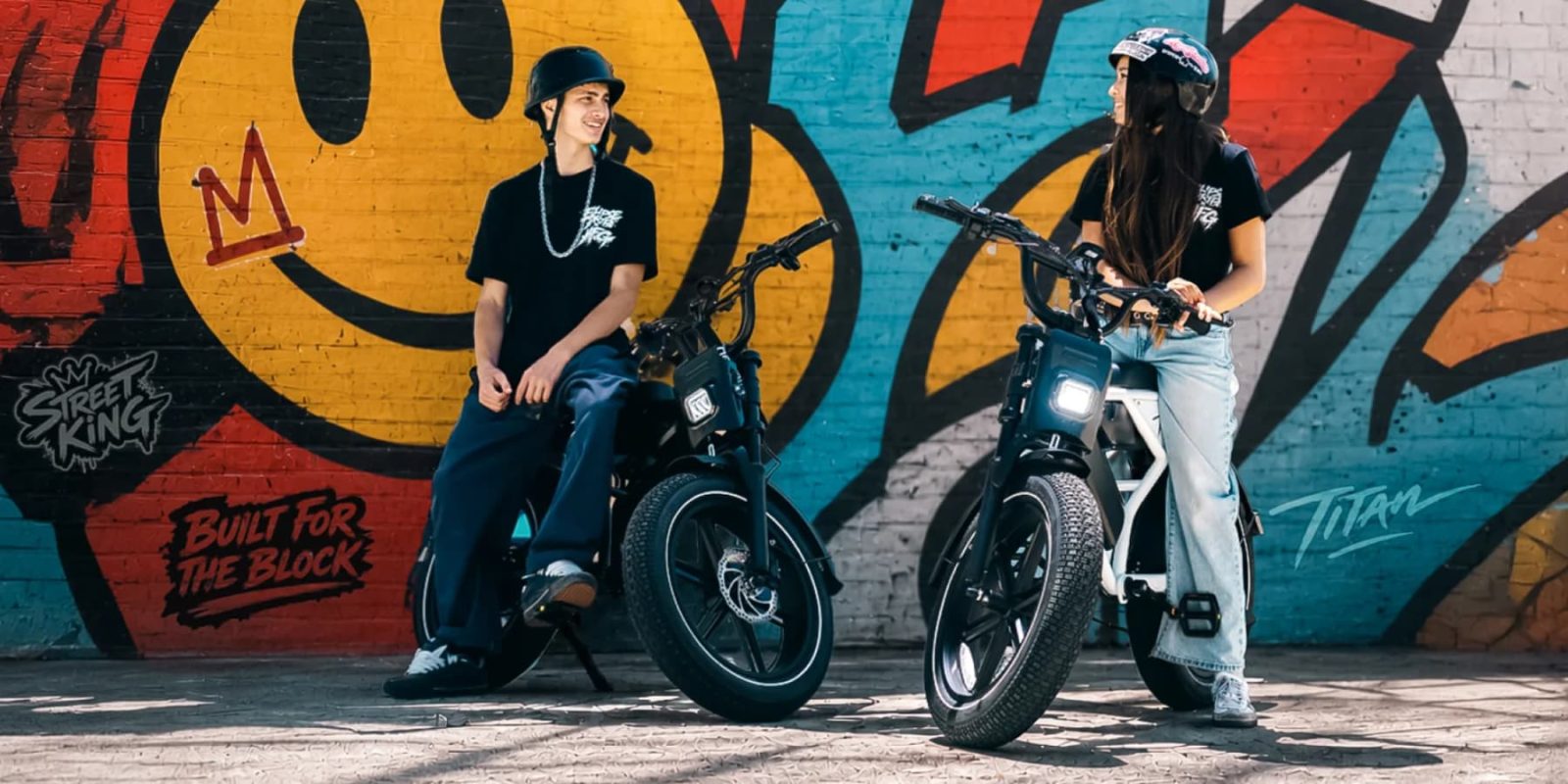
Electric bicycle power ratings are escalating beyond the traditional 750-watt standard as manufacturers push performance boundaries in an increasingly unregulated market segment.
2 comments
Sign in to join the discussion.
Sign inThe escalating power output fundamentally undermines the safety assumptions embedded in bicycle infrastructure design and existing crash-protection standards that never anticipated 1,500-watt systems sharing bike lanes with traditional pedal cyclists. This power creep creates hazardous speed differentials and kinetic energy levels approaching light motorcycles—without the corresponding braking systems, structural integrity requirements, or rider training that motorcycle regulations mandate. From a risk assessment perspective, regulators must immediately establish ISO 26262-inspired functional safety frameworks for high-power e-bikes, including mandatory stability control and regenerative braking thresholds. Operators and urban planners should segregate power classes now: anything above 750 watts belongs in motorcycle lanes with appropriate licensing. The industry's reluctance to self-regulate will inevitably trigger restrictive legislation after the first high-profile fatality involving pedestrians—reactive policy always costs more than proactive classification.
This power escalation directly impacts commercial fleet viability and total cost of ownership in ways operators aren't anticipating. Higher-wattage systems drain batteries faster, reducing effective range per shift and forcing mid-day charging cycles that kill productivity—especially for delivery and micro-logistics fleets running multiple riders. Insurance carriers are already flagging these higher-output units as elevated liability risks, and I'm seeing premium quotes jump 30-40% once you cross into 1,000W+ territory. Fleet managers need to resist the horsepower hype and optimize for operational efficiency instead. The sweet spot for urban commercial use remains 500-750W with quality torque sensors and predictive battery management. Track your cost-per-delivery-mile religiously—I guarantee the 1,500W "performance" bikes will cost you more in energy, maintenance, and insurance than they'll ever recover in marginal speed gains on congested city streets.