This Startup Wants To Turn Teslas Into Anything, From 11-Seat Minibuses To Pickups
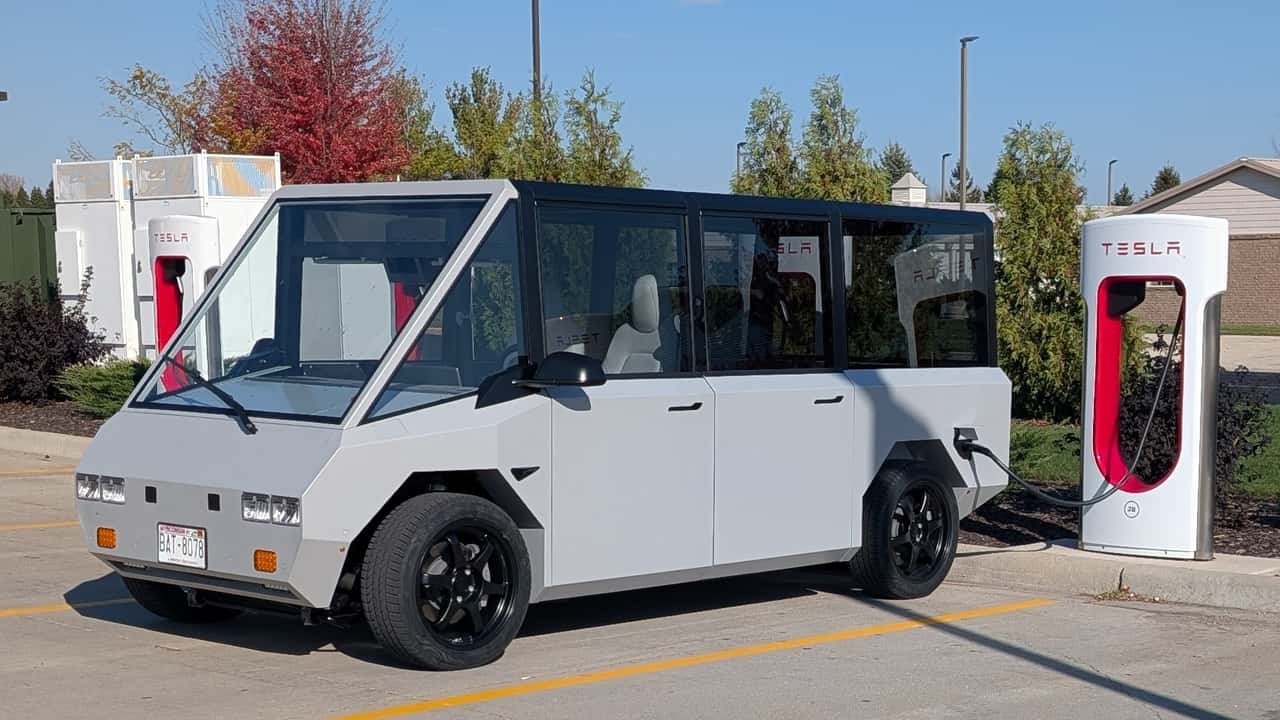
Wisconsin-based startup Hoffman unveiled the Badger at SEMA, showcasing its platform for converting Tesla EVs into custom configurations including 11-seat minibuses and pickups.
2 comments
Sign in to join the discussion.
Sign inConverting a Tesla into an 11-seat minibus fundamentally invalidates its existing crash certification—these conversions must prove compliance with FMVSS structural integrity and occupant protection standards from scratch, particularly difficult when altering crumple zones, adding roof cuts, or repositioning battery enclosures. The skateboard architecture advantage Hoffman claims is real for packaging, but safety validation doesn't transfer with the donor vehicle; each variant needs full frontal/side/rollover testing plus pedestrian impact assessment if the front structure changes. Fleet operators considering these conversions should demand documentation that ISO 26262 ASIL ratings weren't degraded during modifications affecting steering, braking, or battery management systems. Without OEM-level validation infrastructure, aftermarket converters typically can't prove their ADAS sensor recalibrations maintain original safety performance after structural changes. This isn't a regulatory edge case—it's the core challenge preventing coachbuilders from scaling EV conversions beyond low-volume specialty markets where buyers accept certification gaps.
Hoffman's platform approach mirrors the certification logic emerging in hybrid-electric regional aircraft: modular architectures that enable multiple variants under a single type certificate family, reducing per-configuration validation burden. If the startup can establish a certified baseline conversion—say, the 11-seat minibus—subsequent derivatives (pickup, cargo van) could follow streamlined approval pathways analogous to transport category amendments, where you prove delta changes rather than re-certifying the entire system. The strategic parallel matters: just as aviation's Part 23 reforms enabled easier certification for electric powertrains, FMVSS could evolve to recognize pre-validated donor platforms and repeatable modification processes. For operators, this suggests prioritizing conversions built on documented, auditable engineering processes rather than custom fab shops—certification pedigree will determine insurance costs, resale value, and whether your minibus stays legal after the first accident claim.

