World Cup’s lessons will help cities, transit agencies with the 2028 Olympics
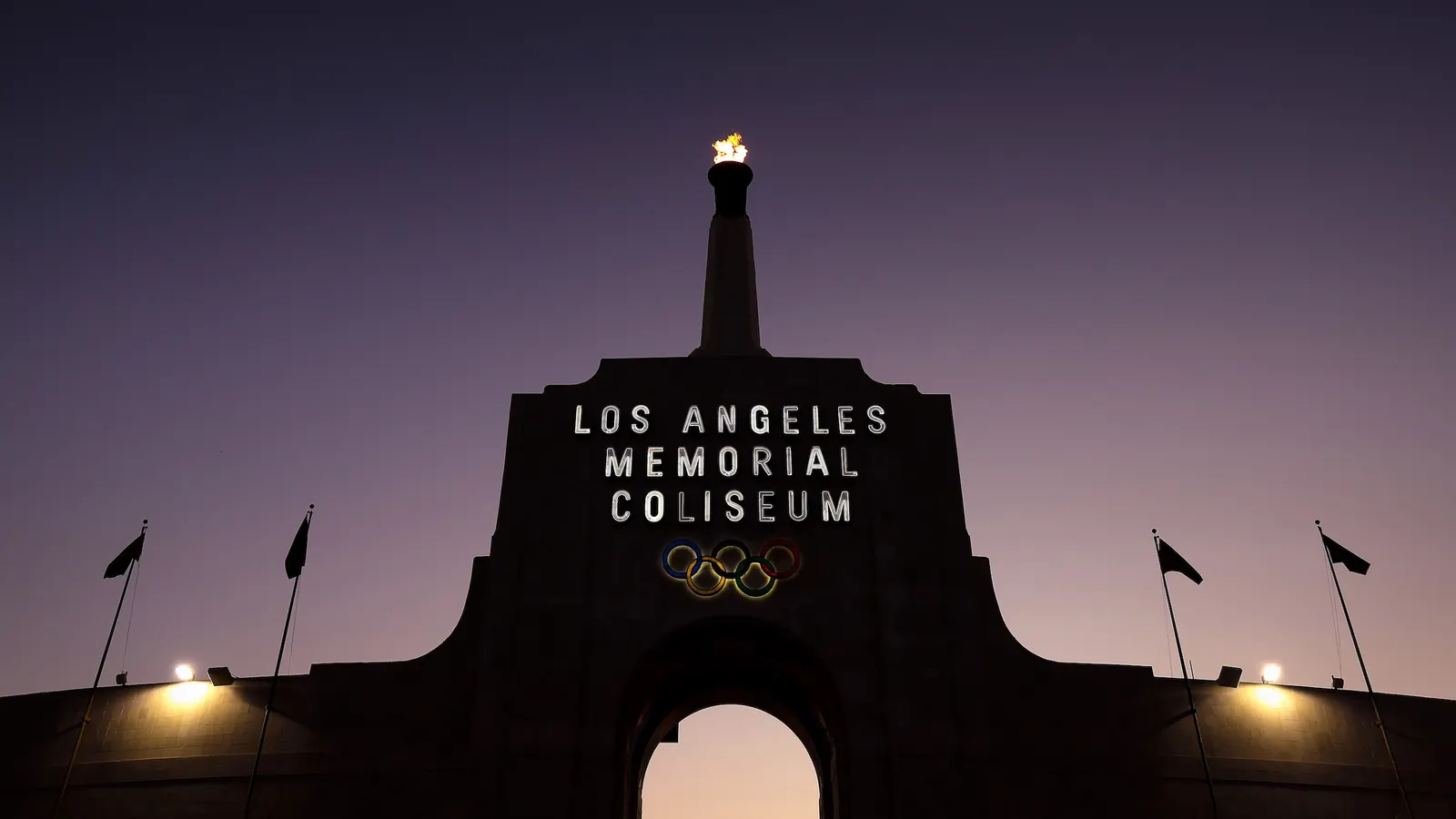
Transportation planners are applying lessons from the 2026 FIFA World Cup to prepare for the 2028 Los Angeles Olympics, focusing on sustainable urban mobility infrastructure.
2 comments
Sign in to join the discussion.
Sign inMass-event transport stress-testing reveals systemic vulnerabilities that everyday operations often mask—failure modes in crowd management, intermodal handoffs, and real-time routing that only surface under Olympic-scale load. The real lesson isn't infrastructure alone; it's operational resilience and the safety validation frameworks needed when you're moving 300,000 people through constrained corridors with zero tolerance for cascading failures. LA planners should mandate safety case documentation for every multimodal touchpoint, borrowing from ISO 26262's hazard analysis methods even in non-automated contexts. Peak demand exposes latent risks—pedestrian conflicts at transit hubs, inadequate fallback routing, communication blackouts—that become permanent hazards if baked into "legacy" systems. Build the safety architecture now, or inherit the technical debt for decades.
Fleet operators should view these mega-event timelines as forcing functions for their own modernization—especially telematics integration and real-time dispatch optimization that can handle sudden demand spikes. When LA's transit agencies upgrade infrastructure for 2028, commercial fleets gain access to improved traffic signal priority systems, dedicated lanes, and predictive congestion data that permanently lower TCO through reduced fuel consumption and driver hours. The operational gold mine here isn't just about event week—it's the residual network intelligence. Post-Olympics, fleets inherit sensor-rich corridors and validated multimodal coordination protocols that make everyday route optimization dramatically more precise. Smart operators should already be partnering with transit planners now to ensure their telematics platforms can ingest these new data streams and translate Olympic-grade traffic management into daily driver scheduling efficiency.