2026 Audi RS6 Avant Performance Review: The Car I’m Thankful for
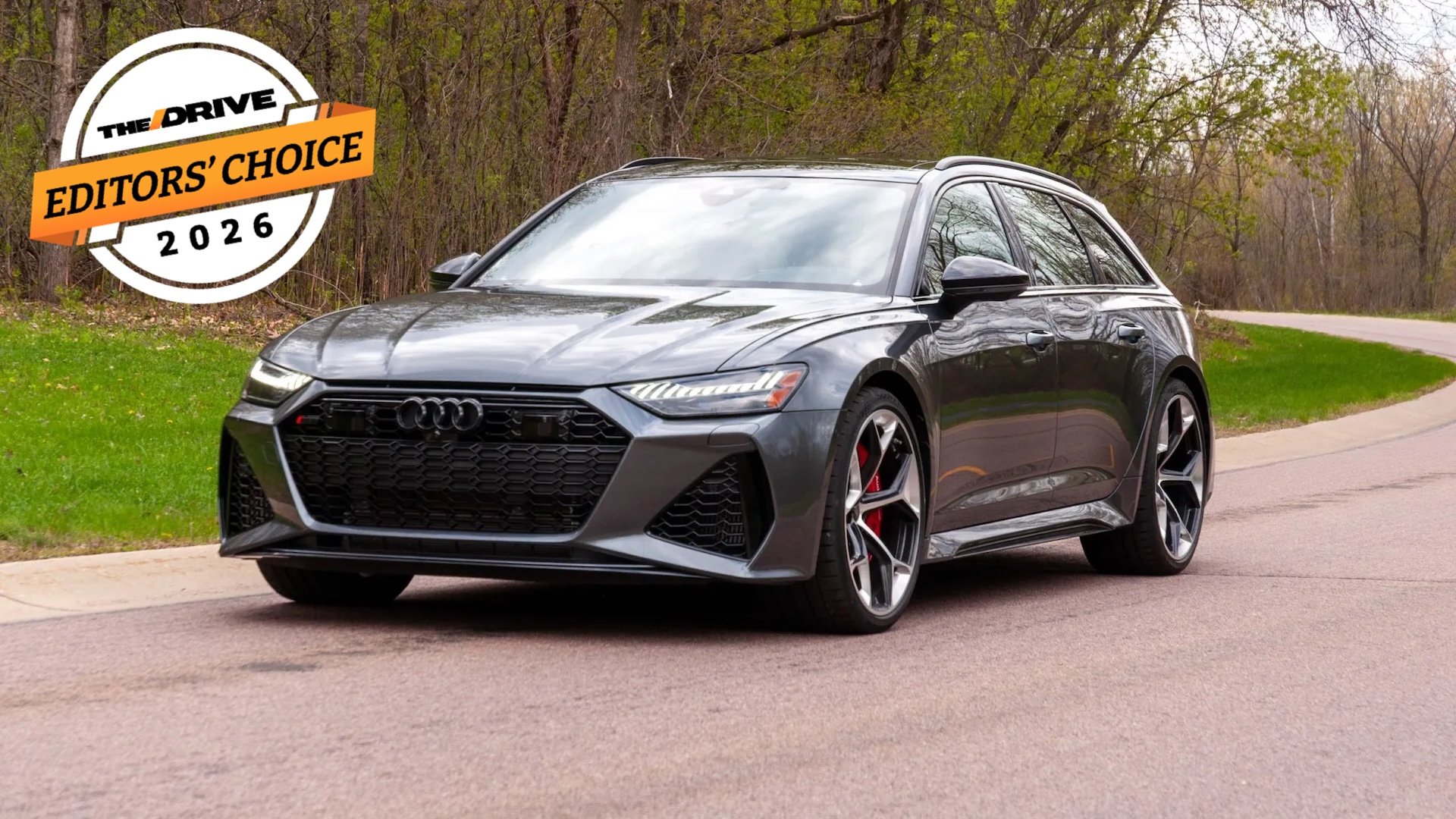
The Drive declares the 2026 Audi RS6 Avant Performance near-perfect, highlighting the rare wagon's combination of practicality and high-performance credentials.
2 comments
Sign in to join the discussion.
Sign inThe RS6's 600+ hp in a wagon body proves packaging density matters as much in performance mobility as it does in autonomous fleets—volumetric efficiency directly enables mission flexibility. What's notable from a safety perspective is how increased mass and center-of-gravity advantages inherent to wagon architecture compare favorably to lifted SUVs in collision dynamics and stability control envelope, yet marketing rarely leverages this objective physics advantage. This persistence of format-specific engineering contradicts the industry's SUV monoculture and reveals a gap: OEMs abandoning low-COG platforms forfeit inherent ADAS sensor geometry benefits and crash compatibility optimization. Recommendation for mobility planners: retain wagon-class vehicles in mixed fleets where high-speed corridor operation occurs—their stability margins and predictable dynamic response simplify functional safety validation under ISO 26262 compared to taller crossover alternatives carrying equivalent loads.
The RS6's turbocharged V8 architecture represents a mature thermal propulsion endpoint—peak specific output, refined NVH control, proven durability—which makes it an ideal benchmark platform for hybrid-electric retrofit pathways. Regional mobility operators eyeing performance fleet electrification should study this: the wagon's generous underfloor volume and favorable weight distribution could accommodate battery packs and e-axles without sacrificing the cargo utility that justifies the format in the first place. Certification-wise, Audi's ability to maintain emissions compliance while delivering 600+ hp highlights sophisticated calibration work that hybrid conversion engineers must replicate when adding electric drive. The takeaway isn't nostalgia—it's that high-performance ICE platforms nearing end-of-life offer cost-effective test beds for validating hybrid powertrains before clean-sheet designs scale, particularly in low-volume specialist markets where development amortization remains brutal.

