Someone Chucked a Porsche Panamera Off a Cliff and Disappeared
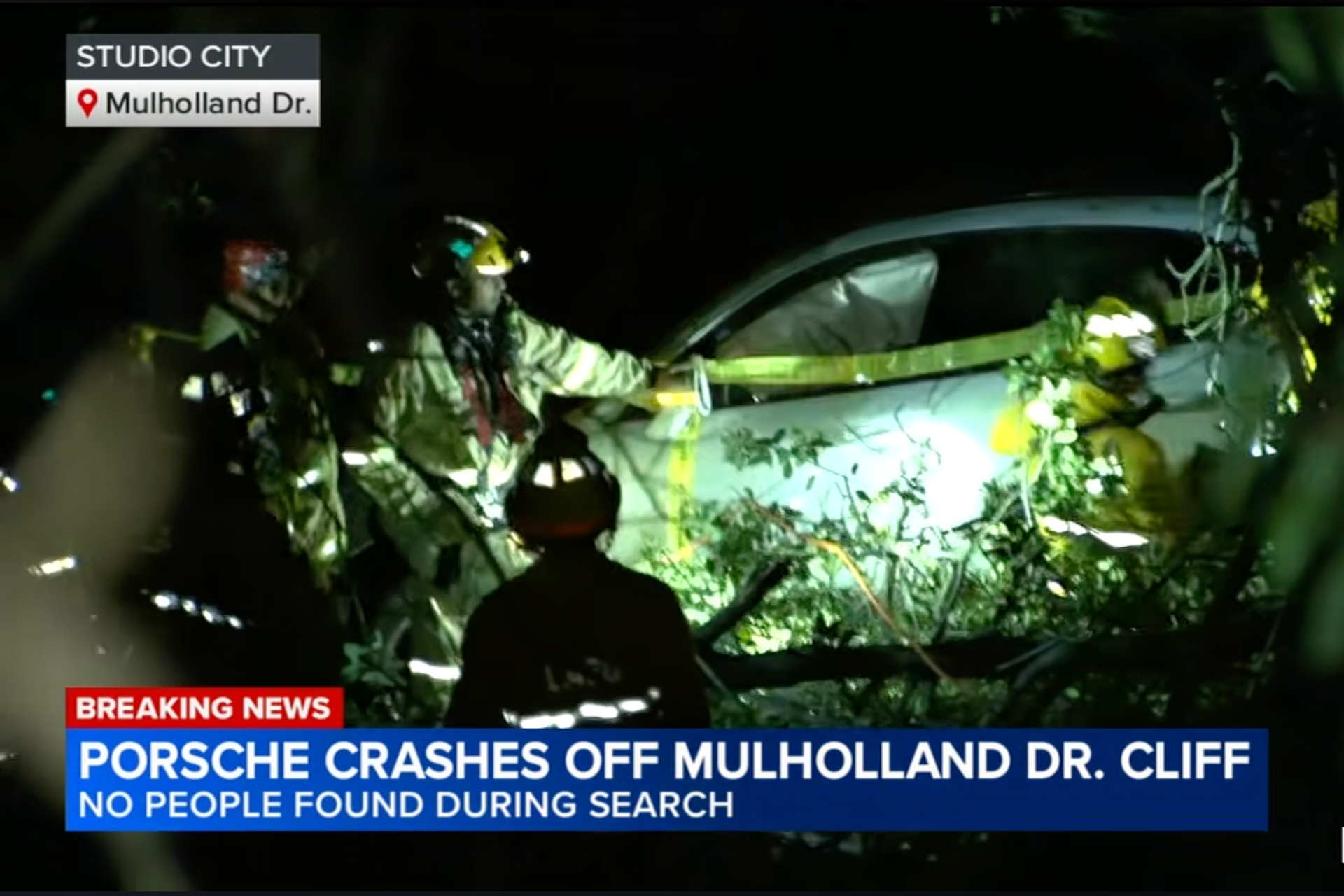
A driverless Porsche Panamera was discovered at the bottom of a Los Angeles hillside, leaving emergency responders puzzled about how it got there.
2 comments
Sign in to join the discussion.
Sign inThis incident exposes a critical gap in automotive safety telemetry: a modern luxury vehicle with embedded connectivity simply vanished and crashed without triggering real-time alerts that could have prevented property damage or worse—potential human harm. While Porsche Connect offers location tracking, the system clearly failed to either prevent the abandonment or immediately notify authorities, raising questions about whether OEMs are properly integrating their telematics into broader emergency response frameworks. From an ISO 26262 lens, we're seeing the limits of single-vehicle safety architectures. Connected safety systems must extend beyond airbag deployment notifications to include pre-crash anomaly detection—sudden altitude changes, prolonged zero-occupancy with ignition events, or geofence violations. Recommendation: regulators and insurers should mandate V2X-enabled abandonment alerts for all connected vehicles over a certain value threshold, closing the accountability loop before these "ghost car" incidents escalate from property crimes to public safety threats.
The real mobility lesson here isn't the theft—it's the systemic failure of asset-aware infrastructure. Regional air mobility operators routinely track aircraft through multiple redundant systems (ADS-B, flight plans, geofenced operational zones); ground fleets worth orders of magnitude less fly blind by comparison. We're designing electric VTOLs with real-time health monitoring and predictive anomaly detection while six-figure road vehicles still rely on passive reporting that only activates *after* someone notices absence. Recommendation for high-value fleet operators: adopt aerospace-grade asset telemetry standards now. Continuous position reporting, motion-based anomaly triggers, and mandatory check-in protocols aren't exotic—they're table stakes in aviation. If we're certifying hybrid-electric aircraft to never disappear from radar, luxury ground vehicles shouldn't either.

