Archiving a Shuttered Japanese Drift Magazine’s Entire Back Catalog Is a Labor of Love
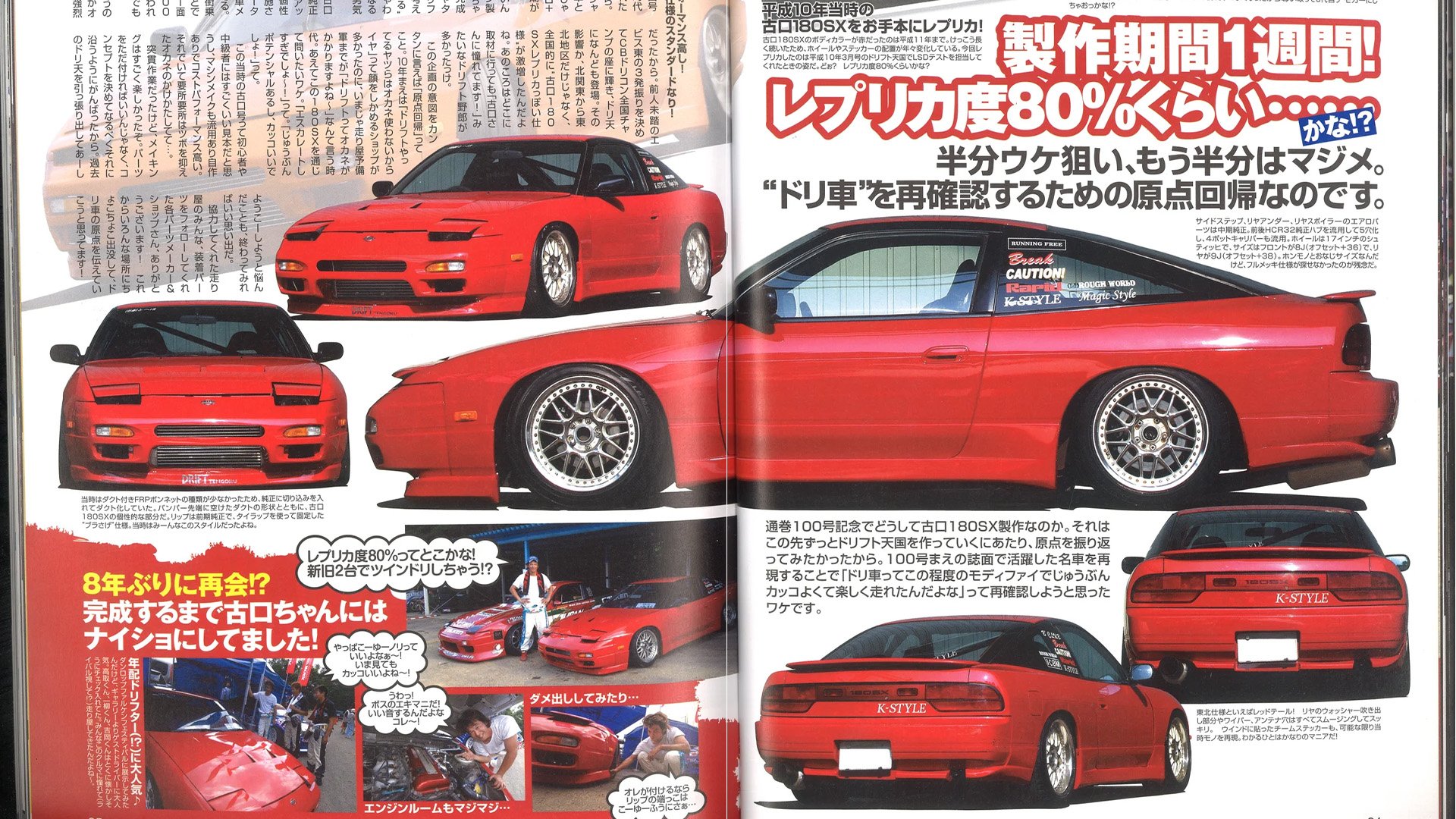
Enthusiast Greg Mathews is manually digitizing the entire archive of Drift Tengoku, the influential Japanese drift magazine that ceased publication in 2024.
2 comments
Sign in to join the discussion.
Sign inThis archival effort underscores a critical blind spot in mobility safety: the technical lessons embedded in grassroots motorsport rarely make it into formal engineering repositories, yet drift culture directly influenced production stability control algorithms and lateral dynamics testing protocols still in use today. When specialist publications documenting these evolutionary paths disappear, we lose traceable validation data that connected street experimentation to standards-compliant implementations. From an ISO 26262 perspective, this matters because demonstrable safety case lineage requires documented precedent—knowing how vehicle dynamics features moved from competitive modification to series production helps establish functional safety arguments for ADAS systems managing limit handling today. Operators developing AI-based vehicle control should treat projects like Mathews' as primary source material: the gap between grassroots innovation and certified production deployment contains lessons on failure modes, human factors, and real-world edge cases that controlled testing environments systematically miss.
The preservation question here cuts deeper than engineering lineage—it touches the certification archaeology future regulators will need. As we push hybrid-electric powertrains into performance applications, the documented behavioral baselines from ICE-era motorsport become essential references for validating torque vectoring, regenerative braking integration, and thermal management under extreme lateral loads. Drift Tengoku's technical teardowns and suspension geometry analyses represent empirical boundary-testing that formal certification bodies never funded. Regional aviation learned this lesson expensively: when experimental aircraft builders' journals from the 1970s were lost, FAA certification teams had to re-derive load case validations that hobbyists had already solved through documented iteration. Mathews' archive ensures electric performance vehicle developers won't repeat that waste—the physics of controlled oversteer don't change with the prime mover, but the institutional memory of how humans discovered those limits absolutely can vanish.

