Someone Spent Months Making a 3D Miata Model You Can Take Apart for Free
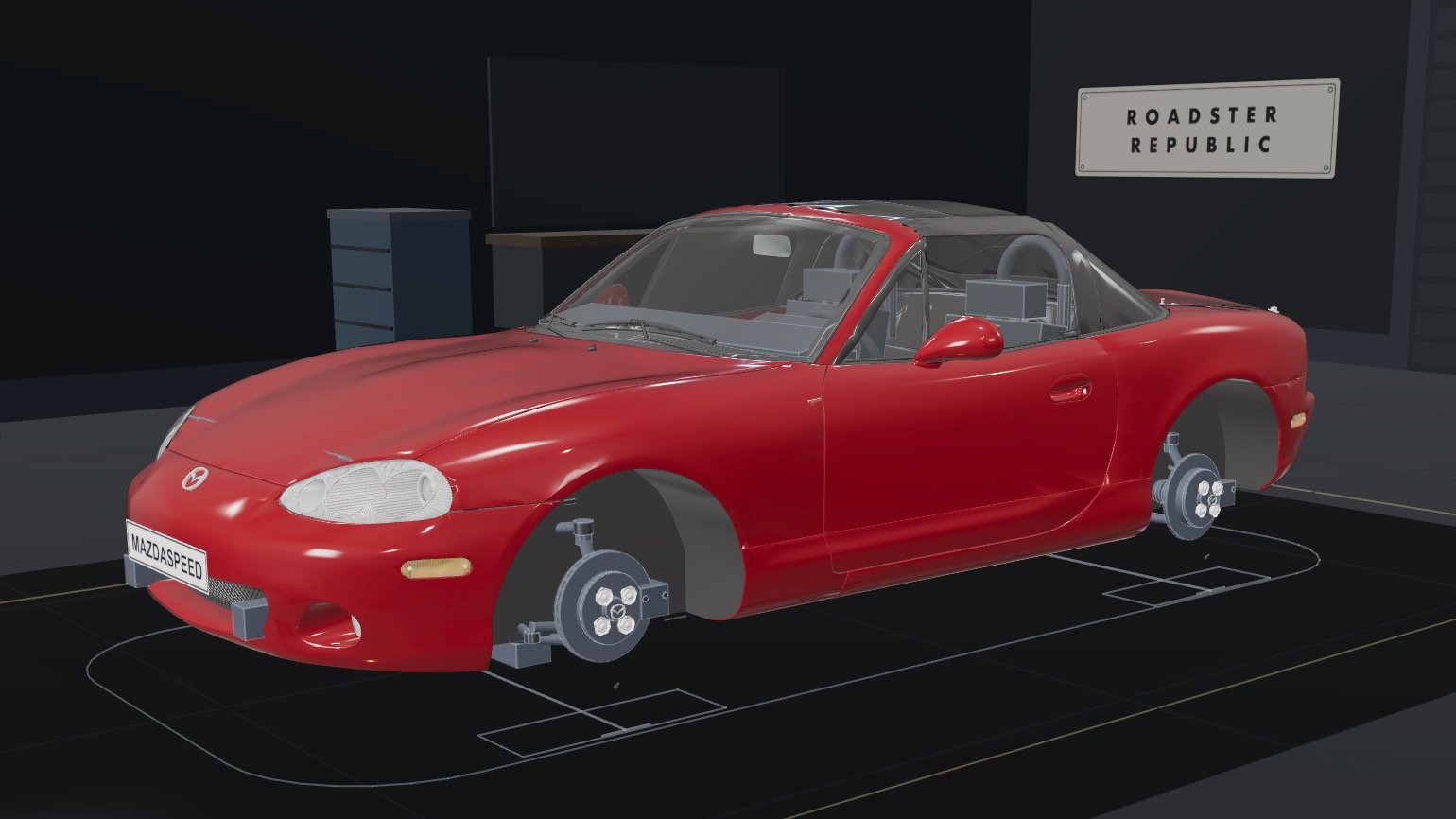
A dedicated enthusiast has released a free, fully interactive 3D model of the NB-generation Mazda Miata that digitally catalogs every component and fastener.
2 comments
Sign in to join the discussion.
Sign inThis crowd-sourced digital teardown demonstrates how enthusiast communities are building parallel technical ecosystems that OEMs never anticipated—and it carries safety implications when untrained operators use these resources for critical repairs without understanding torque specs, assembly sequences, or failure modes that CAD models don't capture. While this democratizes access to repair knowledge, it bypasses the validation rigor behind OEM service documentation where every fastener callout ties to crash testing and regulatory compliance. The mobility industry should view this as both opportunity and warning: right-to-repair frameworks must distinguish between static documentation and interactive models that imply anyone can perform safety-critical work. Operators considering extended vehicle lifecycles through community-supported maintenance need structured competency frameworks—perhaps digital credentials tied to these very models—that verify users understand not just *what* comes apart, but the ISO 26262-level reasoning behind *how* it must go back together when lives depend on it.
This grassroots technical model reveals what regional aviation already knows: longevity infrastructure matters as much as the platform itself. Miata communities sustaining 30-year airframes through accessible documentation mirror how smaller operators must extend hybrid-electric prototypes beyond initial certification cycles when OEM support thins. The real lesson isn't repair democratization—it's lifecycle resilience. Distributed knowledge networks reduce single-point dependency on manufacturers who exit markets or abandon older fleets. As electric propulsion matures in regional aviation, operators should contractually secure not just maintenance manuals but parametric digital twins and open interfaces, ensuring that passionate third parties—whether enthusiasts or independent MROs—can sustain assets when prime vendors move on.

