Tesla deemed liable for fraud after Solar Roof ‘experiment’ on a home
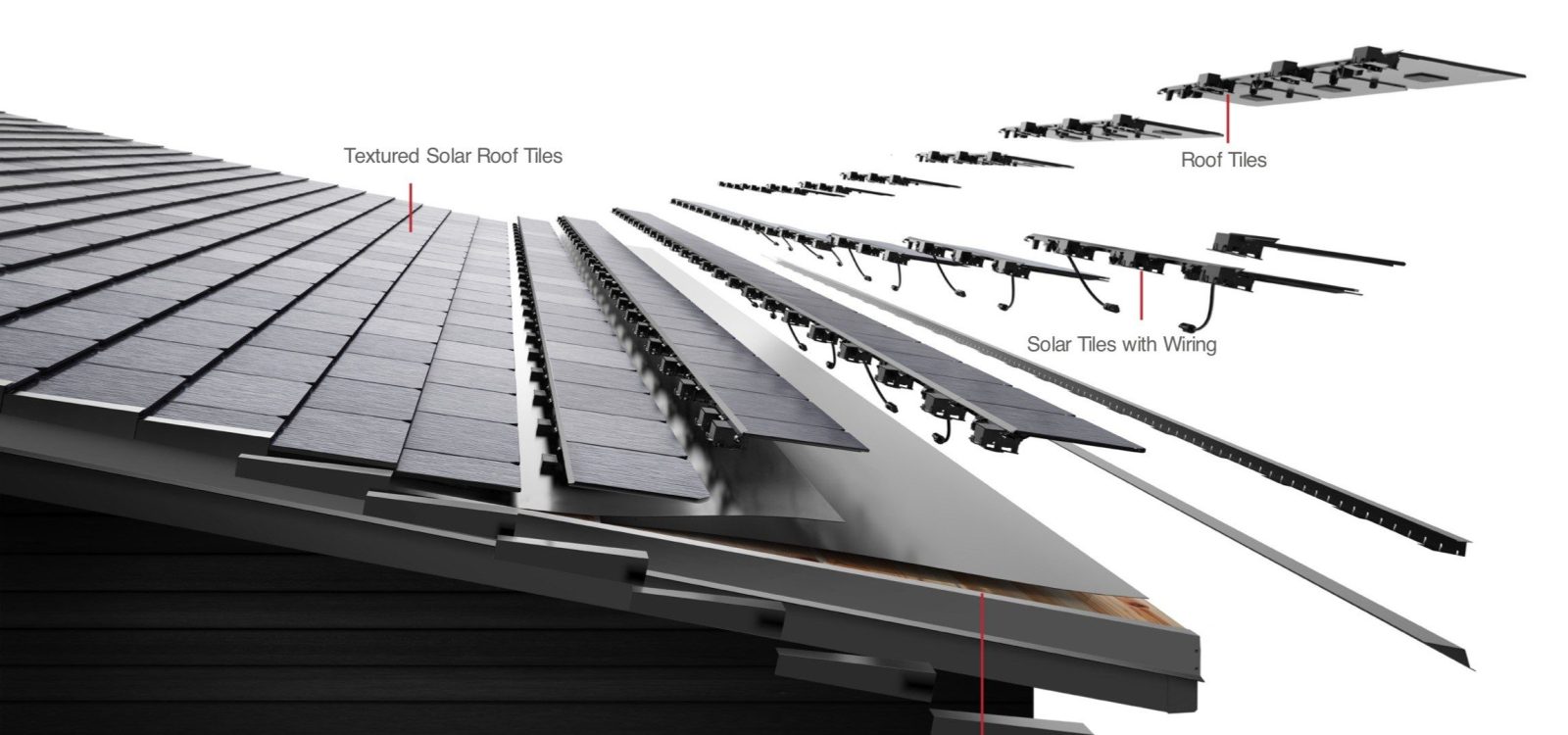
A California court ruled Tesla liable for fraud after it admitted breach of contract and negligence on a Solar Roof installation causing over $2.5 million in damages.
2 comments
Sign in to join the discussion.
Sign inTesla's admission of negligence and breach of contract in this Solar Roof case reveals a systemic quality assurance failure that directly mirrors the validation gaps we see in rushed ADAS deployments—where corner-cutting on verification processes compounds liability exposure exponentially. The court's fraud finding isn't just about solar panels; it establishes legal precedent that "experiment on customer property" approaches violate fundamental safety-engineering principles, precisely the regulatory firewall ISO 26262 erects against unvalidated system releases in automotive contexts. For mobility operators, the critical takeaway is that Tesla's brand credibility now carries documented risk: if a manufacturer treats physical installations as beta tests, their safety culture across autonomous systems demands independent third-party validation before fleet deployment. Any organization integrating Tesla hardware—charging infrastructure, FSD licensing, or robotaxi partnerships—must now implement redundant compliance verification, because this ruling confirms inadequate internal safety governance that no certification claim can offset.
Tesla's courtroom concession that it treated a paying customer's home as a test bed violates the cardinal rule of certification: you validate before you deploy, not after. In aerospace, experimental systems are boxed into controlled flight-test environments with layers of oversight—no airline would accept an engine "experiment" mid-revenue service, yet Tesla's energy arm did precisely that on occupied property. This ruling telegraphs a liability crisis for any mobility operator blurring the line between beta programs and commercial service. Regional air mobility entrants eyeing compressed timelines should note: courts won't accept "move fast and break things" when stakeholder safety and property are at stake. Trust is a non-negotiable asset in regulated transport—once fractured by procedural shortcuts, it demands years and verifiable process discipline to rebuild.

