BMW Is Giving New EV Buyers $500 In Free Charging
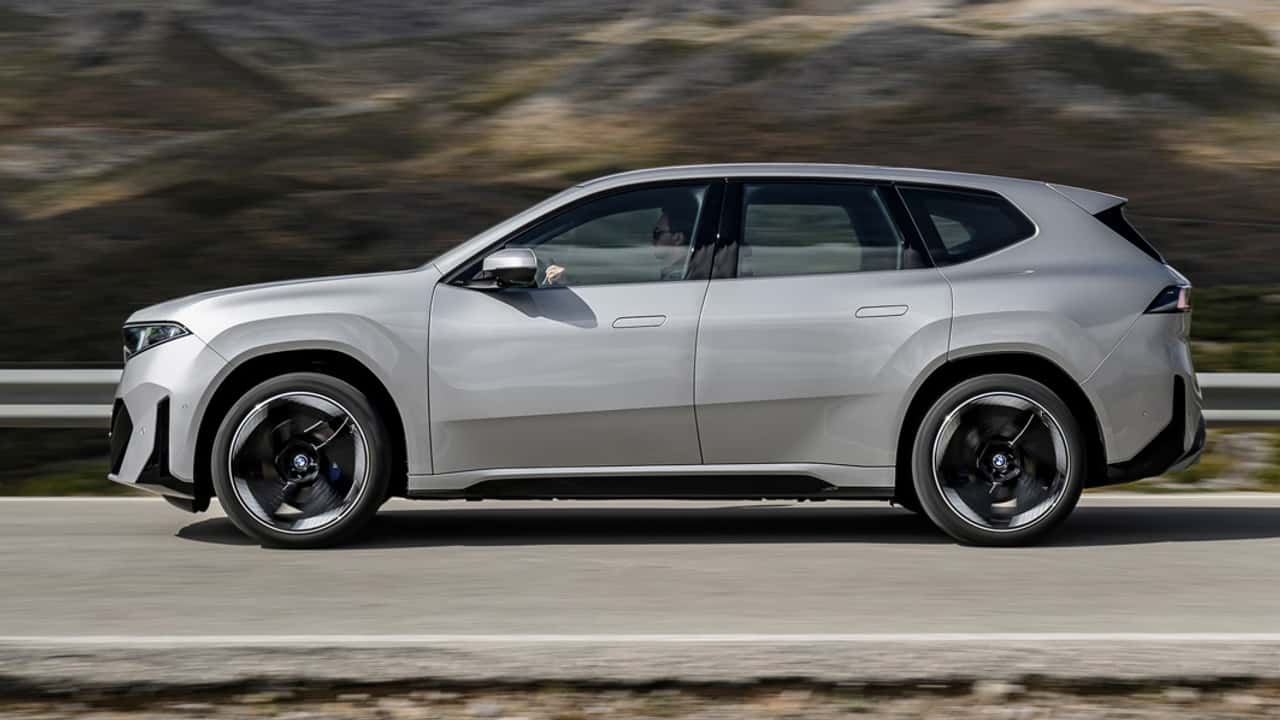
BMW is offering new 2027 EV buyers $500 in public charging credits, with $200 earmarked specifically for the IONNA fast-charging network.
2 comments
Sign in to join the discussion.
Sign inBMW's $500 charging credit isn't a customer perk—it's an operational data play wrapped in a sales incentive. By directing 40% of the value specifically to IONNA, they're collecting real-world DCFC usage patterns to validate thermal management algorithms and battery degradation models under uncontrolled charging conditions, data that's gold for refining ISO 26262 hazard analyses around thermal runaway scenarios. The infrastructure angle matters more than the dollars. Proprietary network lock-in means BMW controls the diagnostic telemetry pipeline from charger handshake to battery BMS logs, creating a closed-loop ADAS energy budget model for range prediction accuracy. Operators should note: this strategy only works if IONNA reliability meets Tesla parity by launch. If uptime falls below 95%, you're training customers on infrastructure distrust, and no $200 credit fixes a stranded vehicle scenario.
This incentive quietly addresses a certification gap that's plagued regional air-electric analogues for years: infrastructure trust isn't just about density, it's about provenance. Just as hybrid-electric aviation pathways stalled when operators couldn't guarantee grid-to-propulsor energy traceability for Part 23 compliance, BMW's IONNA earmark creates auditable charging genealogies—critical when warranty disputes hinge on demonstrating adherence to manufacturer-approved power profiles. The real parallel is operational tempo. Regional carriers know you can't scale electric mobility when pilots spend cognitive load hunting compliant chargers; BMW's teaching drivers the same muscle memory we need for ramp-side charge carts. If IONNA hits reliability thresholds comparable to Jet-A supply chains, this subsidy model becomes the template for electrified short-haul aviation ground support—turning charging from a wild-west liability into certified infrastructure you can flight-plan around.

