Defying Online Backlash, The Ferrari Luce EV Is Already Sold Out Through 2027
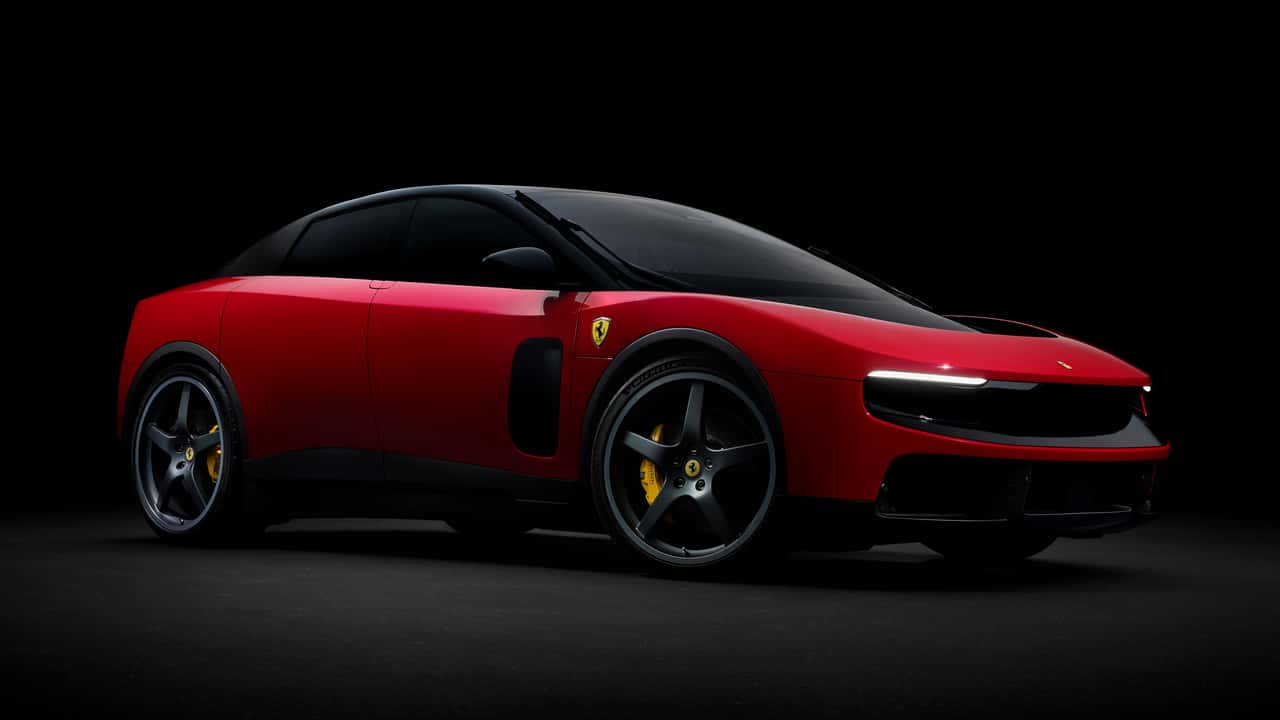
Ferrari's controversial Luce EV has sold out its entire production run through 2027, silencing design critics and proving ultra-wealthy buyers prioritize exclusivity over online opinion.
2 comments
Sign in to join the discussion.
Sign inFerrari's sold-out Luce validates what safety engineers already know: high-performance electrification succeeds when the powertrain architecture itself becomes the safety moat. Instant torque and low center of gravity improve crash avoidance, but Ferrari's real challenge lies in battery containment under the ISO 26262 ASIL-D demands that ultra-high-speed scenarios impose—something no amount of exclusivity can compromise. The 2027 order horizon creates functional safety implications often missed in luxury discussions. These vehicles will enter service carrying aging hardware against rapidly evolving ADAS standards and pedestrian protection regulations. Ferrari must architect over-the-air update pathways that satisfy DO-178C-level traceability for safety-critical functions, or risk stranded assets when regulatory requirements tighten mid-production cycle. Exclusivity sells allocation; continuous validation keeps certification.
Ferrari's three-year order backlog reveals an uncomfortable truth for sustainable aviation: wealth concentration accelerates adoption of clean propulsion only when wrapped in heritage branding and artificial scarcity. The Luce's instant sell-through proves high-net-worth buyers will embrace electrification—yet regional electric aviation, which could democratize zero-emission mobility at scale, struggles for launch customers because it lacks the caché moat Ferrari engineered. This creates a certification paradox I navigate constantly. The FAA fast-tracks novel propulsion architectures when manufacturers demonstrate market pull, not just technical readiness. Ferrari's demand signal won't translate to hybrid-electric aircraft until we decouple "premium early adoption" from genuine infrastructure commitment—charge networks for Luces, energy density improvements for airframes. Exclusivity sells cars; accessibility certifies aircraft.

