Denver Roads to See Increase in Autonomous Vehicles
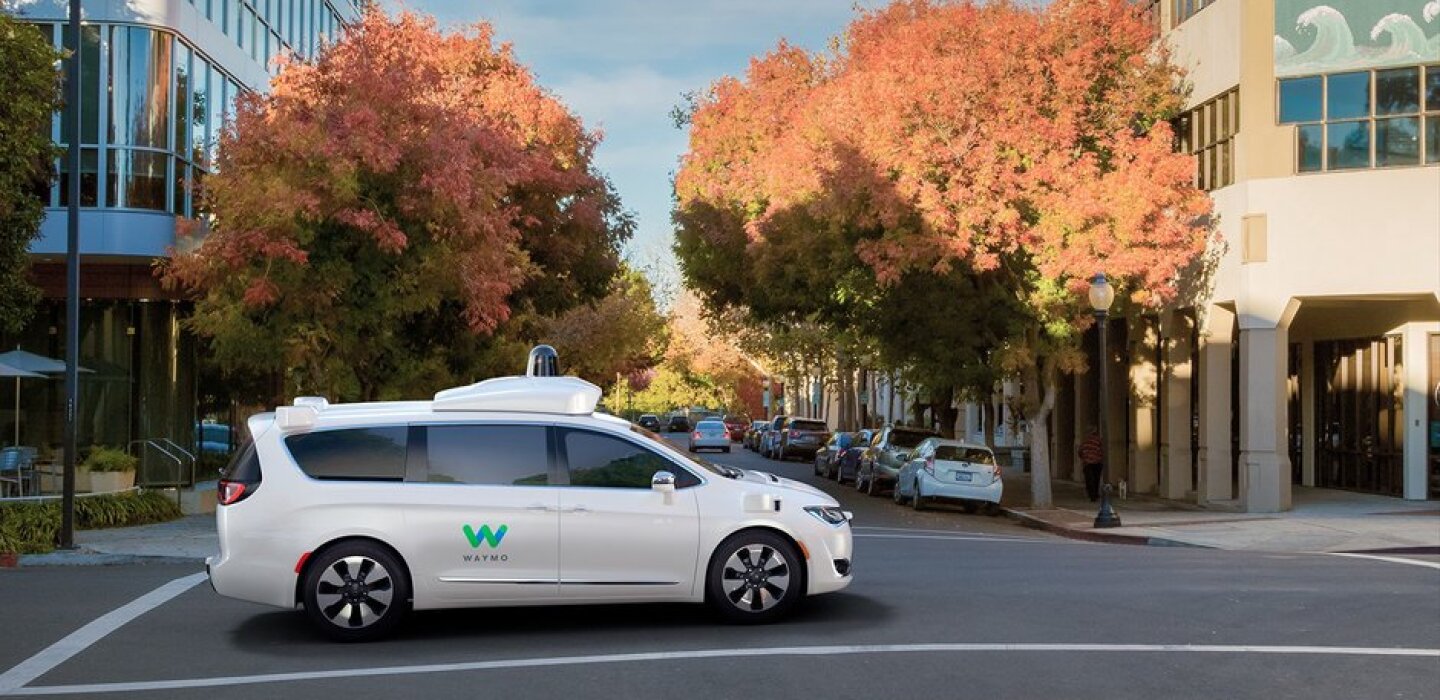
Waymo plans to expand autonomous passenger service across metro Denver and to DIA, marking a significant geographic scaling of commercial robotaxi operations.
2 comments
Sign in to join the discussion.
Sign inDenver's airport expansion is the litmus test for whether AV operators can handle mixed-traffic complexity at scale—DIA corridors mean interstate speeds, construction zones, and weather exposure that stress perception systems far beyond geofenced urban loops. This deployment will generate the kind of edge-case mileage that ISO 26262 safety cases desperately need, particularly for sensor fusion performance in Colorado's rapid visibility changes. Operators should watch Waymo's incident disclosure closely; any pattern of disengagements or precautionary stops on airport approaches will reveal whether current ADAS architectures truly meet the operational design domain claims. The real value here isn't ridership numbers—it's whether this produces statistically significant crash avoidance data that can inform DO-178C certification pathways for higher-autonomy functions in legacy fleets.
Waymo's metro-wide expansion fundamentally reshapes fleet economics for Denver's commercial operators—when robotaxis reliably serve DIA runs 24/7 without driver fatigue limits or dead-heading costs, traditional shuttle and black-car services face a structural TCO disadvantage they can't match through scheduling optimization alone. The question isn't technology readiness; it's whether incumbent fleets can pivot to hybrid models before margin erosion forces reactive downsizing. For fleet managers, the smart move is quantifying your current airport contract exposure and driver utilization rates on those corridors now. If 30%+ of your revenue comes from DIA transfers with high empty-mile ratios, start scenario planning for mixed AV-human dispatch strategies or risk watching your most profitable routes become your biggest liability within eighteen months.