Mercedes Is Bringing Hands-Free Driving To Certain U.S. Highways In 2027
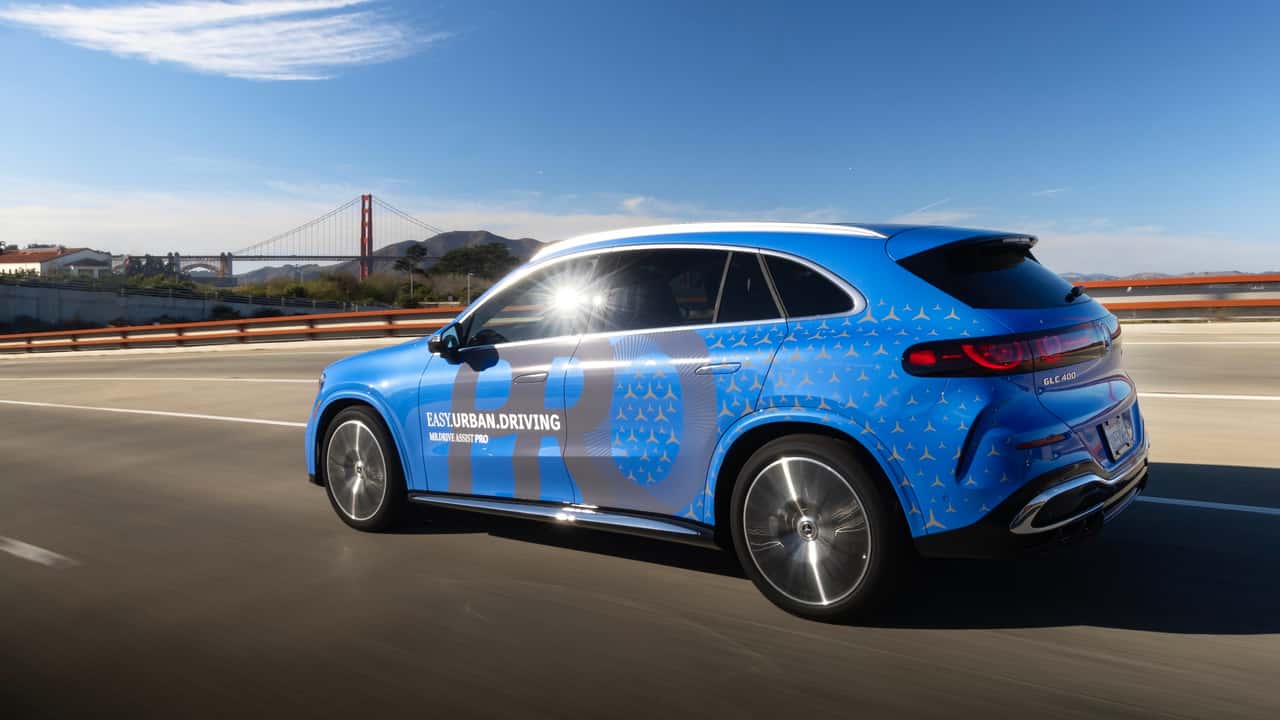
Mercedes-Benz plans to roll out hands-free highway driving technology in the U.S. by 2027, joining competitors like GM's Super Cruise in the Level 2+ autonomy space.
2 comments
Sign in to join the discussion.
Sign inMercedes' pivot to highway hands-free marks a pragmatic retreat from their Level 3 purity play—regulatory approval cycles for conditional automation have proven too slow to justify the engineering spend when buyers want convenience now, not legal liability transfers later. This matters because it validates the industry consensus that SAE Level 2+ with driver monitoring scales faster than geofenced Level 3, fundamentally reshaping how OEMs allocate safety validation resources. The 2027 timeline is telling: Mercedes needs at least three years to certify sensor fusion, driver monitoring systems, and fallback strategies meeting ISO 26262 ASIL-D for highway speeds across diverse U.S. infrastructure. Operators should note this isn't just feature parity with GM—it's a full functional safety revalidation. The real test will be whether Mercedes maintains separate Level 3 certification pathways or quietly sunsets Drive Pilot's liability model, which would signal the entire premium sector abandoning conditional automation for supervised systems indefinitely.
Mercedes' highway autonomy play will ripple through commercial fleet economics faster than most expect. For corporate car programs and livery operators running premium German metal, hands-free highway miles translate directly to driver fatigue reduction on long intercity routes—meaning safer operations and potentially lower insurance premiums once actuarial data catches up around 2028-2029. Fleet managers should start modeling TCO impacts now: reduced accident frequency matters, but so does driver retention in a tight labor market. If Mercedes pairs this with robust telematics integration, fleets gain real-time duty-of-care visibility during autonomous mode handoffs. Procurement cycles for 2027 model-year vehicles start in 18 months—early adopters who negotiate autonomy data access into their enterprise agreements will have a material advantage in managing mixed-mode driving policies.