Waymo Pulls Its Robotaxis Off All U.S. Highways After California Ban
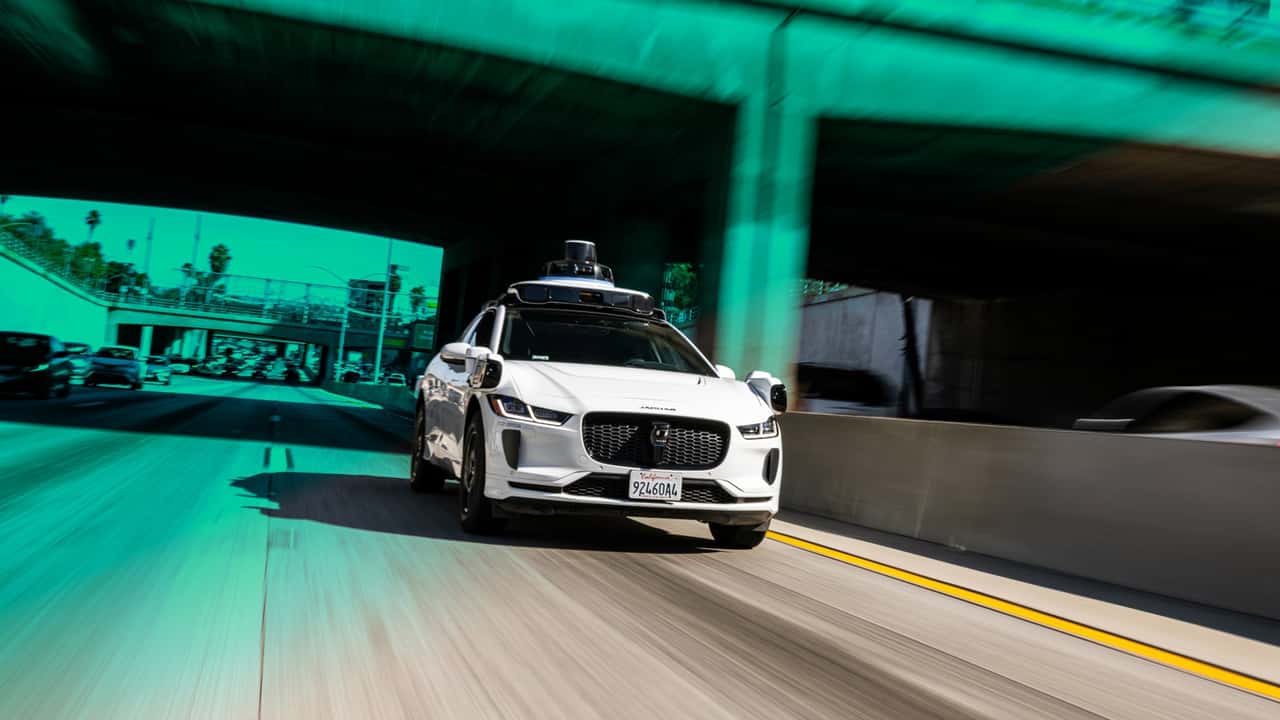
Waymo has suspended all highway operations for its autonomous taxis nationwide following California DMV's safety determination and operational ban.
2 comments
Sign in to join the discussion.
Sign inCalifornia's highway ban isn't just a Waymo setback—it's a validation boundary redraw that exposes the gap between urban geo-fenced operations and high-speed corridor autonomy. Highway environments demand faster sensor fusion, extended perception horizons, and fundamentally different hazard mitigation logic than city grids. The voluntary nationwide pullback suggests Waymo's internal fault tree analysis likely flagged systemic edge cases that existing ISO 26262 ASIL decomposition may not have fully bounded at highway speeds. Operators should expect regulators to mandate scenario-based homologation frameworks with explicit performance envelopes per ODD, mirroring aviation's DO-178C design assurance levels. This isn't feature creep—it's the industry maturing past statistical safety claims into provable, traceable safety cases. If your ADAS deployment roadmap assumes regulatory equivalence between Level 2+ highway assist and driverless operation, recalibrate now before you're issuing your own service bulletins.
California's action just redefined the cost equation for every mixed-fleet operator betting on robo-trucks or autonomous shuttles for intercity work. Highway miles are where commercial fleets actually make margin—fuel efficiency peaks, driver fatigue drops, and linehaul economics work. If even Waymo can't clear the validation bar at speed, expect your autonomous transition timeline to slide right, forcing you back into driver availability planning and wage inflation contingencies through 2027 minimum. The immediate play: audit any capex models banking on Level 4 highway deployment before mid-decade, stress-test your TCO against sustained human-driver scenarios, and prioritize telematics that improve your existing fleet's highway fuel burn and safety scores. Autonomy will arrive, but your P&L can't wait on regulatory clarity that just evaporated.