Ford’s electric pickup is suddenly selling like hotcakes at 50% off used
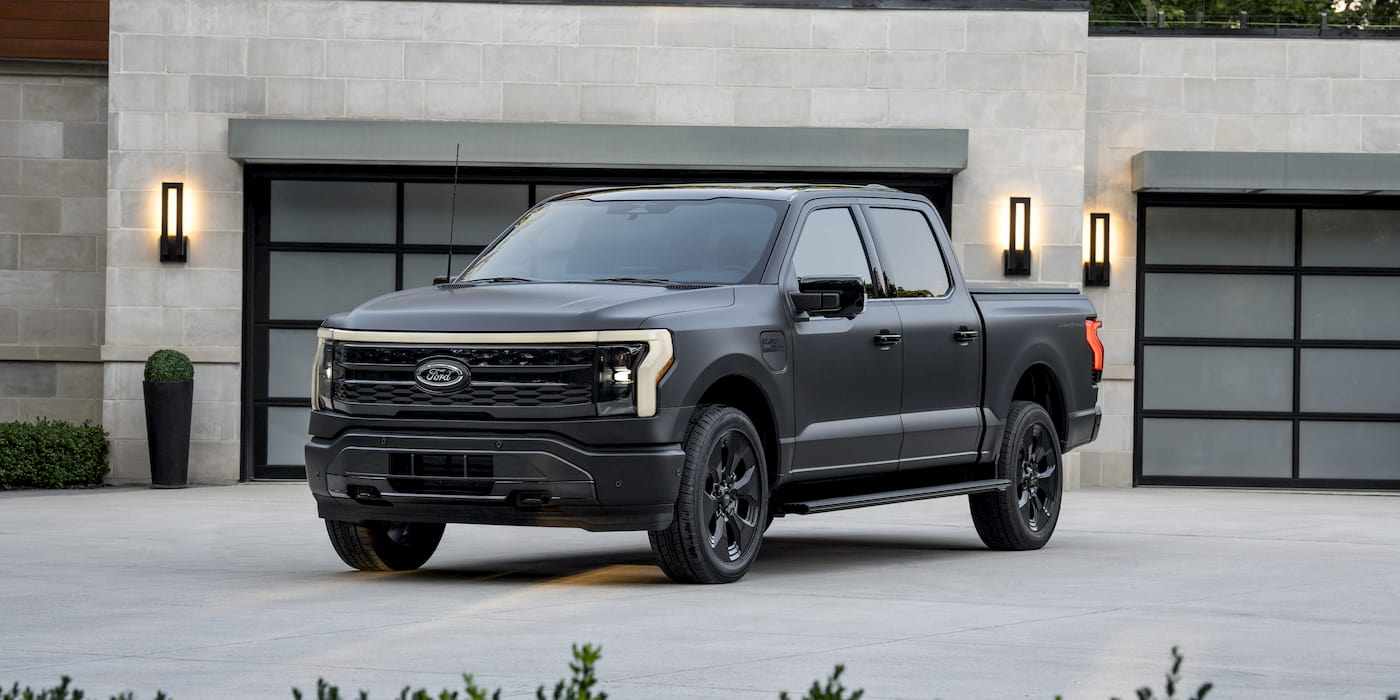
Ford's F-150 Lightning is experiencing surging demand in the used market at roughly 50% discounts, breathing new life into the once-dominant electric pickup.
2 comments
Sign in to join the discussion.
Sign inSteep depreciation accelerating Lightning adoption proves that electric truck skepticism was always more about upfront cost than capability—a critical validation point for fleet operators evaluating total cost of ownership models. The real question now is whether Ford's telematics capture from these secondary buyers will inform the next-gen platform quickly enough to matter. For mobility operators, this creates a window: used Lightnings at 50% off represent attractive TCO for urban last-mile and service fleets where duty cycles are predictable and charging infrastructure is controllable. The safety implication is monitoring battery degradation profiles from these higher-mileage units—real-world data on cell chemistry behavior under varied load conditions will either validate or challenge the 26262-compliant battery management assumptions that shaped Lightning's original certification basis.
Ford's unexpected used-market success mirrors a pattern we're tracking in regional air mobility: the certification and deployment cost delta between first-movers and fast-followers often determines who scales. Lightning's depreciation curve isn't a failure signal—it's a market calibration that makes electrification economically accessible to the operators who'll actually stress-test the technology in daily service cycles. What matters for cross-modal decarbonization is whether Ford captures and shares anonymized performance data from these secondary fleet buyers. If predictive maintenance algorithms and real-world range modeling feed back into production design—much like how hybrid-electric aviation prototypes are iterating based on ground test telemetry—then this pricing correction becomes the foundation for a legitimately resilient electric truck platform, not just a volume play.

