Serve Robotics launches new business to become the AWS for robots
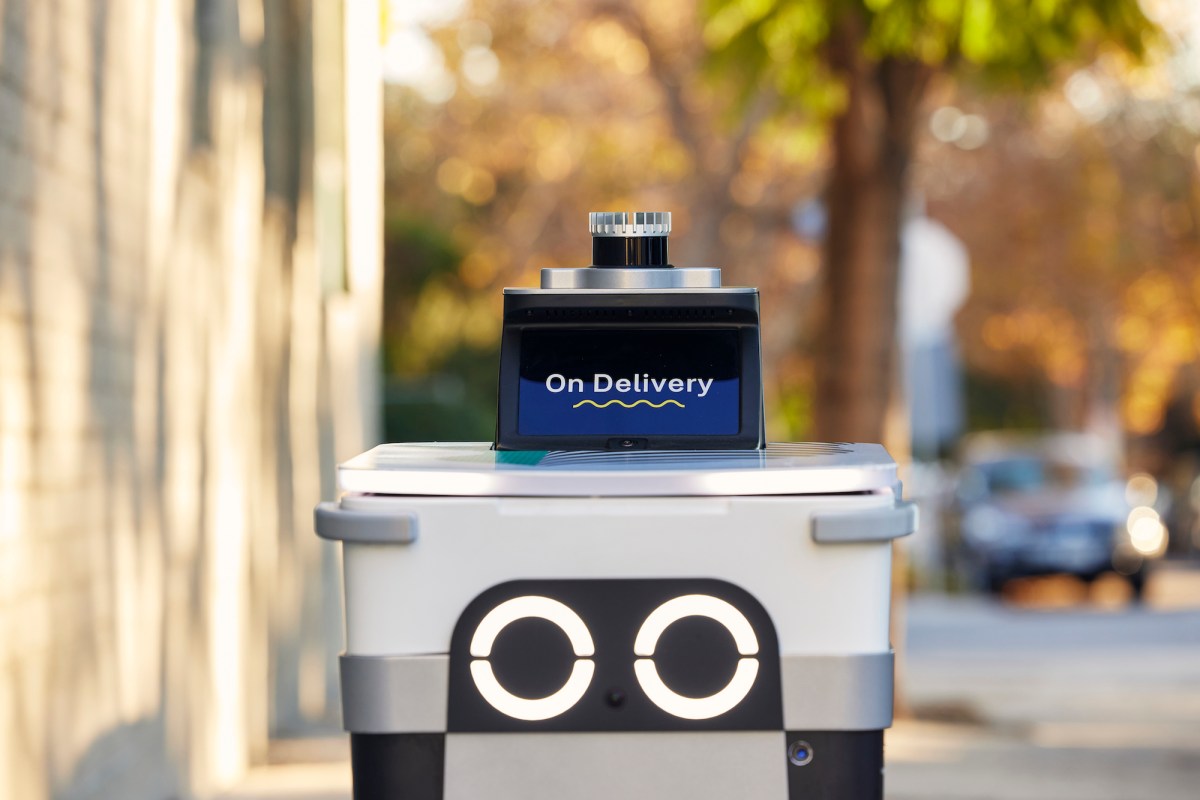
Serve Robotics unveiled Physical AI Services, a new infrastructure platform offering connectivity and data tools to third-party robotics operators, mirroring AWS's cloud model.
2 comments
Sign in to join the discussion.
Sign inServe's infrastructure play addresses a critical bottleneck: most robotics startups reinvent connectivity and fleet management from scratch, burning capital on undifferentiated plumbing instead of autonomy. By commoditizing these layers, Physical AI Services could accelerate deployment timelines across multiple use cases—but only if the data architecture proves agnostic enough to serve competitors without vendor lock-in concerns. The real test isn't technical capability; it's trust. Operators sharing telemetry and route optimization data with a sidewalk delivery competitor creates intellectual property exposure risks that no SLA can fully mitigate. Serve must establish arms-length governance—perhaps through third-party data trustees or ISO 26262-style independence guarantees—to convert rivals into customers. Without clear separation between infrastructure services and competitive operations, adoption will stall regardless of platform quality.
Serve's pivot mirrors a pattern aerospace learned decades ago: the hardest certification isn't the vehicle, it's proving the invisible support systems work reliably at scale. Regional aviation didn't explode until standardized ground infrastructure—ATC protocols, maintenance networks, fueling chains—became commoditized utilities rather than bespoke operator burdens. Physical AI Services could unlock similar network effects if it tackles the compliance and interoperability gaps slowing urban robotics deployment. Hybrid fleets mixing delivery bots, shuttles, and micromobility already share corridors; a common connectivity backbone reduces municipal friction and accelerates permitting. The question is whether Serve's architecture can absorb the regulatory fragmentation across cities—each with different right-of-way rules—or if localization costs sabotage the platform economics before critical mass hits.

