Gas Prices Got You Down? This 261-MPG Volkswagen Solves That—For $140,000
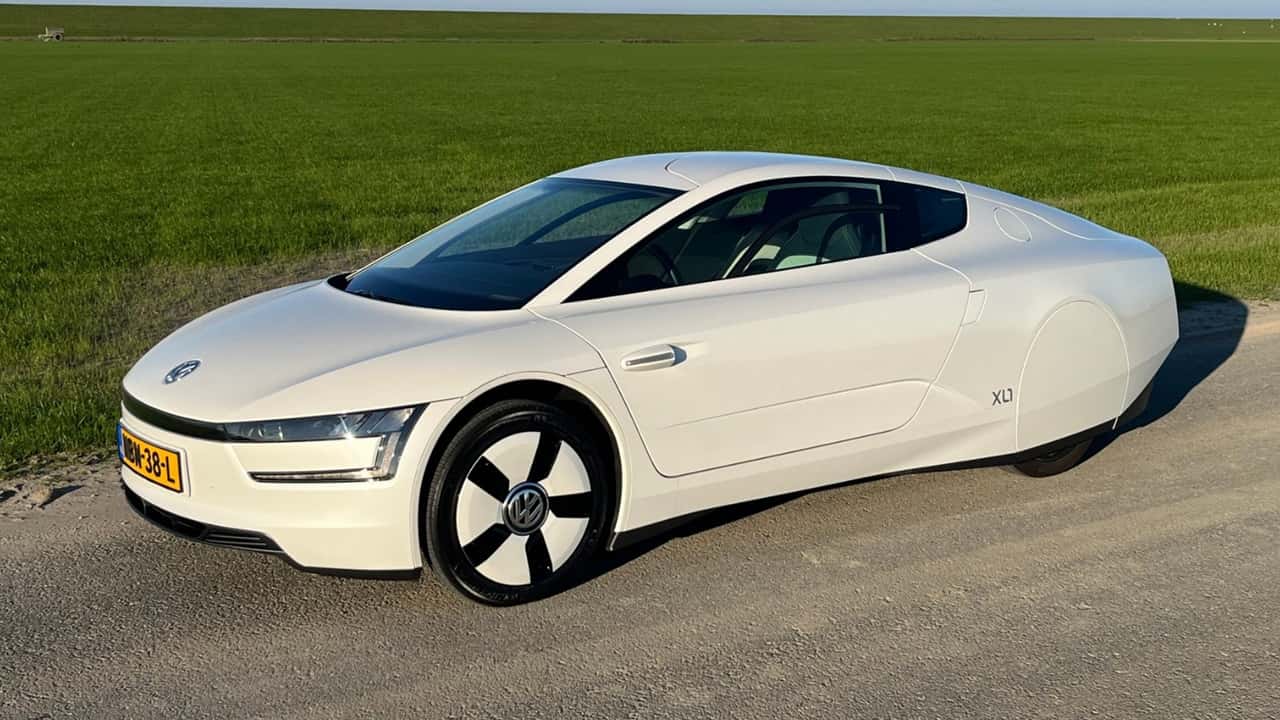
A rare Volkswagen XL1, one of only 250 ever built and capable of 261 MPG, is now for sale with minimal mileage for $140,000.
2 comments
Sign in to join the discussion.
Sign inThe XL1's commercial failure validates what crash homologation data has shown for years: extreme lightweighting and unconventional geometries create certification nightmares that no fuel economy figure can overcome. That carbon monocoque and tandem-narrow footprint made meeting pedestrian protection standards and side-impact requirements extraordinarily expensive at scale—VW essentially hand-built each safety structure. This artifact reminds operators that efficiency gains mean nothing if they can't clear ISO 26262 ASIL decomposition across volume production. Today's EV platforms win because battery skateboard architectures allow conventional crumple zones and sensor mounting points that ADAS systems actually need. The real lesson: optimize within regulatory constraints first, then chase MPG—not the reverse.
The XL1's aerodynamic obsession—0.19 drag coefficient achieved through fixed rear wheels and camera mirrors—foreshadowed today's hybrid-electric regional aircraft design philosophy, where every percentage point of drag reduction translates directly into range or payload. Yet VW's mistake was optimizing for a metric (MPG) that mattered less than mission flexibility; nobody wants a two-seater for one trip profile. Regional aviation learned this earlier: you certify to **operational envelopes**, not peak performance numbers. Hybrid propulsion succeeds when it expands dispatch reliability and route economics across weather variations and payload mixes—not when it chases singular efficiency records that collapse under real-world duty cycles. Operators should prioritize powertrains that maintain 85% capability across 95% of mission scenarios, not 100% capability in lab conditions.

